Quick Drying Buds for Testing: Methods & Tips

Quick drying buds for testing: Speedy drying of “tester nugs” is a common practice for evaluating potency and flavor before harvesting. Utilizing household electronics or a microwave can rapidly dry buds, though it often compromises flavor. This method, when executed with precision, can preserve up to 80% of terpenes, making it a viable option for quick testing.
For cannabis cultivators, quick drying buds for testing is crucial to gauge potency and flavor profiles before a full harvest. Utilizing methods like microwaving weed can significantly speed up the process. However, it’s essential to balance speed with quality, as improper techniques can lead to uneven drying and loss of valuable terpenes and cannabinoids.
Recommended Strains

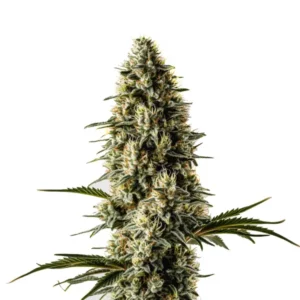
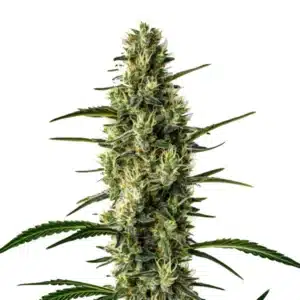
Banana Kush

|
THC | 17% - 21% (Medium) |

|
Type | Feminized |

|
Yield | High |

|
Phenotype | 60% Indica / 40% Sativa |

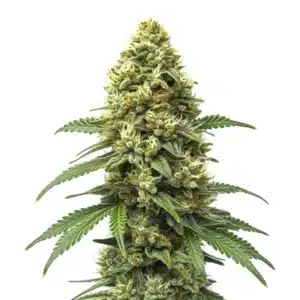
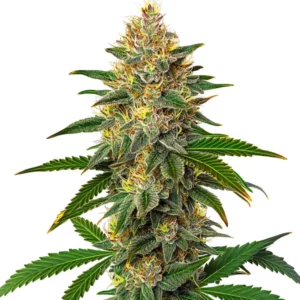
Acapulco Gold
|
|
THC | 15% - 19% (Medium) |
|
|
Type | Feminized |
|
|
Yield | High |
|
|
Phenotype | 30% Indica / 70% Sativa |
Why Quick Drying is Necessary
Quick drying methods are essential for cannabis growers who need to assess the potency and flavor of their crops before the full harvest. By obtaining early results, growers can make informed decisions about harvesting times and curing processes. This practice is especially beneficial when growing multiple strains with varying flowering times.
Traditional drying methods can take weeks, but quick drying allows for immediate feedback. This rapid assessment can help growers identify any issues with the crop, such as nutrient deficiencies or pest infestations, that might affect the final product. By addressing these issues early, growers can improve the overall quality of their harvest.
Quick drying also helps in determining the right harvest window for each strain. For instance, strains like Critical Kush with a flowering period of 8-9 weeks, benefit from early testing to ensure peak potency and flavor. This process aids in achieving the desired cannabinoid and terpene profiles.
Promos & Deals

The Microwave Method Explained
Step-by-Step Microwave Drying Process
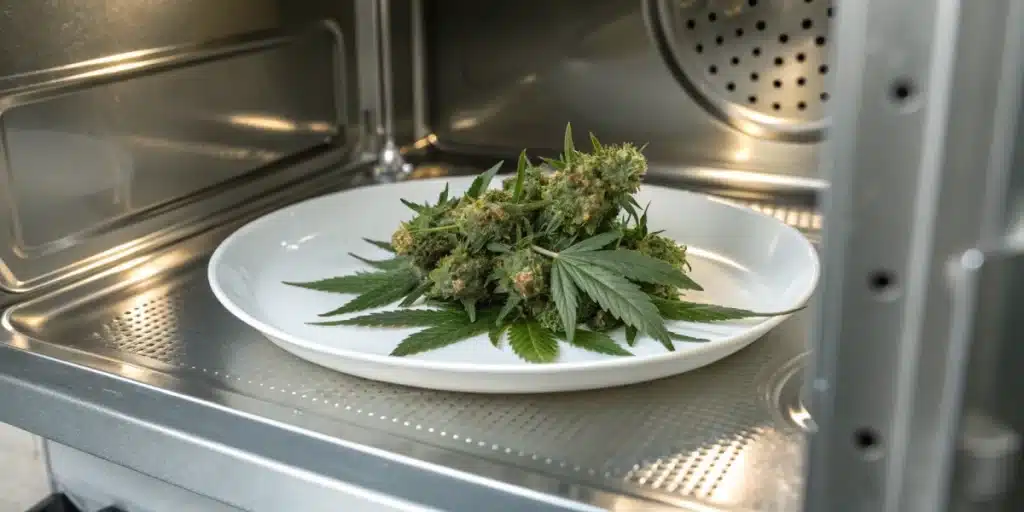
Microwaving weed for 10 seconds at a time is a popular method for quick drying cannabis. Start by trimming your buds and placing them on a microwave-safe plate. Set the microwave to 30-50% power to avoid burning. Begin with 30-second intervals, checking the buds’ moisture level after each cycle.
Continue microwaving in 10-second increments until the desired dryness is achieved. This method allows for precise control over the drying process, minimizing the risk of overheating. Always monitor the buds closely to prevent any damage to the cannabinoids and terpenes.
Using a food thermometer can help ensure the internal temperature of the buds remains below 140°F (60°C). Exceeding this temperature can degrade cannabinoids and terpenes, affecting both potency and flavor. Consistent monitoring is key to achieving optimal results.
Risks and Benefits of Microwave Drying
While microwave drying offers speed and convenience, it comes with risks. Uneven drying can occur if buds are not arranged properly, leading to some parts being over-dried while others remain damp. This inconsistency can affect the overall quality of the cannabis.
One major benefit of microwave drying is the preservation of terpenes when done correctly. Studies show that up to 80% of terpenes can be retained, maintaining the flavor and aroma profile of the strain. However, excessive heat can lead to terpene degradation, resulting in a harsh taste.
To mitigate these risks, ensure that buds are evenly spaced on the plate and that the microwave power is set correctly. Regularly check the buds’ condition to prevent overheating. This careful approach helps maintain the integrity of the cannabis while achieving quick drying results.
| Feature | Critical Kush | Bruce Banner Auto | Gelato 41 |
|---|---|---|---|
| THC Percentage | 20-25% | 24-29% | 22-26% |
| Dominant Terpene | Myrcene | Caryophyllene | Limonene |
| Flavor Profile | Earthy, Pine | Sweet, Diesel | Citrus, Sweet |
| Effect Profile | Relaxing, Sleepy | Euphoric, Uplifting | Happy, Relaxed |
| Flowering Time | 8-9 weeks | 9-10 weeks | 8-9 weeks |
Alternative Quick Drying Techniques
Comparing Microwave with Other Methods
Microwave drying isn’t the only method for quick drying cannabis. Other techniques include using a food dehydrator or an oven. Each method has its pros and cons, and the choice depends on the available equipment and desired outcome.
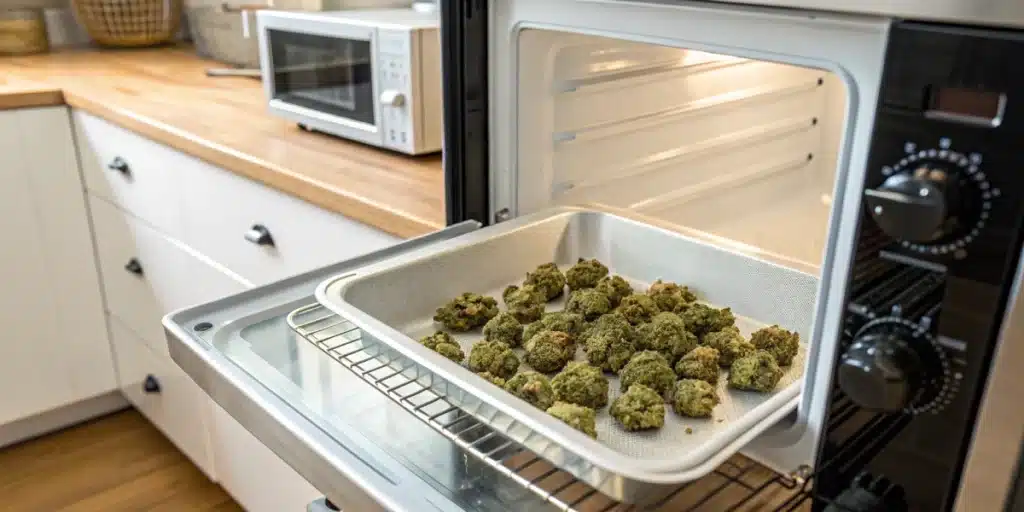
Food dehydrators offer a gentler drying process compared to microwaves, preserving more terpenes and cannabinoids. However, they take longer, typically several hours. Ovens, on the other hand, can dry buds quickly but require careful temperature control to avoid burning.
When comparing these methods, consider the balance between speed and quality. Microwaving weed provides the fastest results, but with the highest risk of uneven drying. Food dehydrators are slower but preserve quality better. Ovens offer a middle ground but demand constant monitoring.
Evaluating Quick Dried Buds
How to Assess Potency and Flavor
Assessing the potency and flavor of quick dried buds involves a few key steps. First, visually inspect the buds for color and trichome preservation. A well-dried bud should retain its vibrant color and have visible trichomes.
Next, conduct a smell test to evaluate the aroma. Quick dry cannabis should still emit a strong, pleasant scent. A burnt or musty smell indicates improper drying. Finally, test the buds’ potency by consuming a small amount and noting the effects.
For a more scientific approach, consider sending samples to a lab for cannabinoid and terpene analysis. This provides precise data on THC levels and terpene profiles, ensuring the quick drying process hasn’t compromised the cannabis quality.
Professional Tips for Quick Drying
- Maintain 58-62% RH during the curing process after quick drying. This range helps preserve terpenes and cannabinoids. Avoid going below 55% RH, which can halt terpene development, or above 65% RH, which can lead to mold growth.
- Use a calibrated digital hygrometer to monitor humidity levels accurately. Analog hygrometers are less reliable and can lead to incorrect readings, affecting the drying process.
- When microwaving, always start with a lower power setting, around 30-50%. This reduces the risk of burning and preserves more cannabinoids and terpenes.
- For ovens, set the temperature between 150°F and 200°F (65°C – 93°C). Higher temperatures can degrade cannabinoids and terpenes, leading to a loss of potency and flavor.
- Consider using a food dehydrator for a gentler drying process. Although it takes longer, it preserves more of the cannabis’s natural qualities compared to microwaving or oven drying.
- Regularly check the buds during the drying process to ensure even drying and prevent overheating. Adjust the arrangement of the buds if necessary to promote uniform drying.
FAQs about Quick Drying Buds
How do you dry buds quickly?
To dry buds quickly, use a microwave at 30-50% power in 10-second intervals. This method can dry cannabis in minutes, but requires careful monitoring to avoid overheating. Alternatively, a food dehydrator offers a slower but gentler drying process, preserving more terpenes and cannabinoids.
Can you smoke uncured buds?
Smoking uncured buds is possible, but they often have a harsh taste and reduced potency. Proper curing enhances flavor and potency by allowing chlorophyll to break down and terpenes to develop. Curing typically takes 2-4 weeks at 58-62% RH.
What happens if you dry bud too fast?
Drying buds too fast can lead to uneven moisture distribution, resulting in a harsh smoke and diminished flavor. Rapid drying can also degrade cannabinoids and terpenes, reducing potency. To avoid this, use controlled methods like microwaving with careful monitoring.
How to tell when a bud is dry and ready for cure?
A bud is dry and ready for curing when its stems snap instead of bend, and the outer leaves feel crisp. The internal moisture should be minimal, and the aroma should be strong and pleasant. Aim for a moisture content of around 10-15%.
What are the benefits of quick drying cannabis?
Quick drying cannabis allows for immediate potency and flavor testing, aiding in harvest decisions. It saves time compared to traditional drying methods, which can take weeks. However, it requires careful execution to avoid compromising quality through uneven drying or overheating.