Discover the Best Eco-Friendly Cannabis Practices for 2023

Navigating the world of cannabis cultivation has become increasingly popular. More growers are turning to eco-friendly cannabis practices, which not only benefit the planet but also enhance the quality of the plants. Implementing sustainable cannabis farming methods can lead to healthier yields and a more satisfying experience for both growers and consumers.
Eco-friendly cannabis packaging solutions are crucial for reducing waste. As awareness grows, consumers are seeking environmentally friendly cannabis products that align with their values. By choosing organic cannabis cultivation techniques, growers can ensure that their crops are not only thriving but also contributing positively to the environment.
Recommended Strains
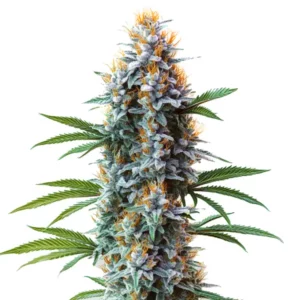
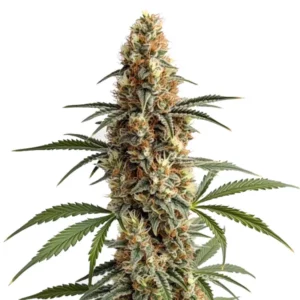
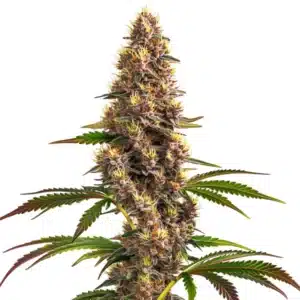
Blue Cheese

|
THC | 16% - 20% (Medium) |

|
Type | Feminized |

|
Yield | High |

|
Phenotype | 80% Indica / 20% Sativa |

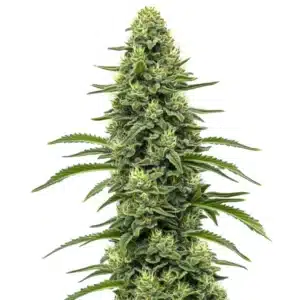
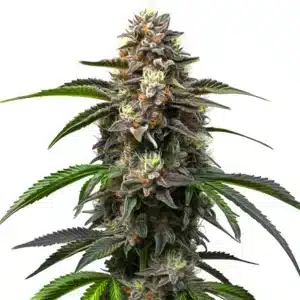
Blue Dream
|
|
THC | 17% - 24% (Medium) |
|
|
Type | Feminized |
|
|
Yield | High |
|
|
Phenotype | 50% Indica / 50% Sativa |
Blimburn Seeds offers several strains ideal for eco-friendly practices. For instance, their Blue Cheese strain thrives in organic settings, making it a favorite among eco-conscious growers. Whether you’re new to cannabis cultivation or have years of experience, adopting eco-friendly methods can make a significant difference.
Sustainable Cannabis Farming Methods
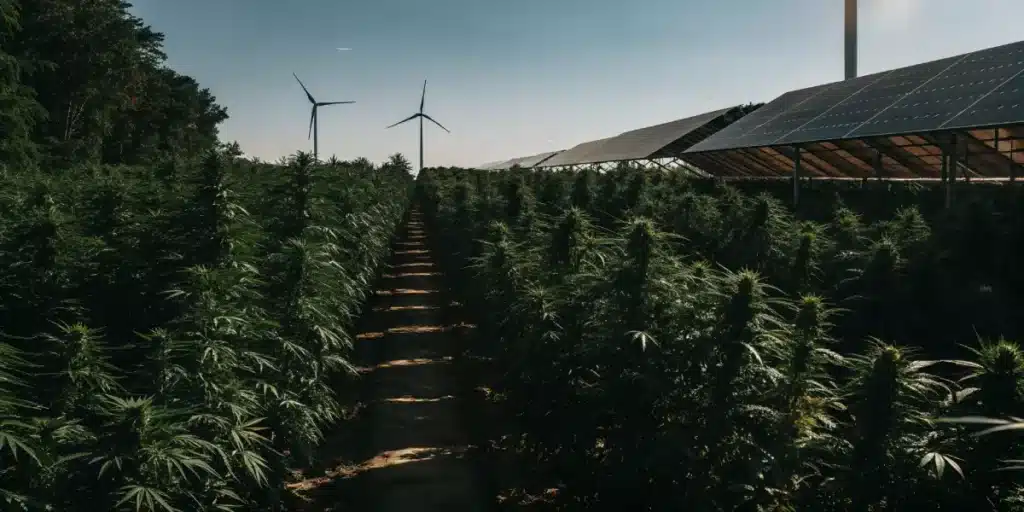
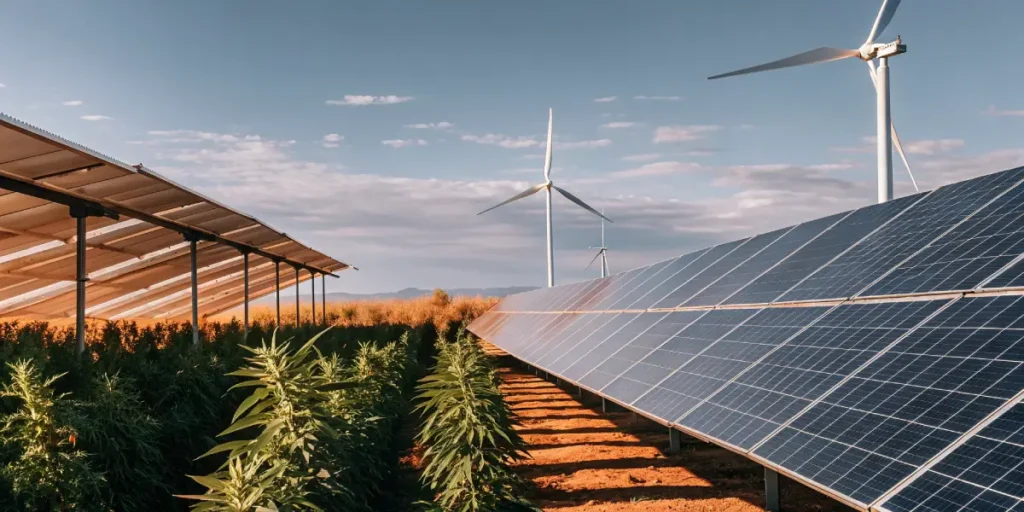
Sustainable cannabis farming methods focus on reducing environmental impact. One approach is using renewable energy sources like solar or wind power to reduce reliance on fossil fuels. This shift not only cuts down on energy costs but also minimizes carbon emissions.
Integrating crop rotation and polyculture systems can also enhance soil health. By planting different crops in succession and together, growers can prevent soil depletion and reduce the need for chemical fertilizers. This approach ensures that the land remains fertile and productive for future cannabis cultivation.
Another sustainable practice is water conservation through the use of drip irrigation systems. These systems deliver water directly to the plant roots, minimizing evaporation and ensuring efficient water use. By conserving water, growers can significantly reduce their environmental footprint.
Implementing permaculture principles can further enhance sustainable cannabis farming methods. This involves designing agricultural systems that mimic natural ecosystems, promoting biodiversity and ecological balance. Such practices not only yield high-quality cannabis but also maintain the health of the surrounding environment.
Organic Cannabis Cultivation Techniques
Organic cannabis cultivation techniques are key to producing high-quality, environmentally friendly cannabis. By avoiding synthetic pesticides and fertilizers, growers can create a healthier ecosystem. Organic methods also promote biodiversity, which is essential for maintaining balanced soil health.
Composting is another technique that enriches the soil without harmful chemicals. By returning organic matter to the earth, growers create nutrient-rich soil that supports robust plant growth. Utilizing natural pest control options, such as introducing beneficial insects, can also help maintain the health of cannabis plants.
Mulching is a valuable organic technique that helps retain soil moisture and suppress weeds. By covering the soil with organic material, growers can enhance soil fertility and reduce the need for synthetic inputs. This practice supports the overall health of the cannabis plants.
Crop diversification is another organic cannabis cultivation technique that can improve plant resilience. By planting a variety of crops, growers create a more robust ecosystem that can withstand pests and diseases naturally. This approach not only produces premium cannabis but also supports sustainable farming goals.
Promos & Deals
Eco-Friendly Cannabis Packaging Solutions
Eco-friendly cannabis packaging solutions are becoming increasingly important as the industry grows. Traditional packaging often relies on plastics, which contribute to environmental degradation. By opting for sustainable packaging, businesses can reduce their carbon footprint and appeal to eco-conscious consumers.
Packaging made from biodegradable materials, such as hemp or recycled paper, offers a sustainable alternative. These materials break down naturally, leaving minimal impact on the environment. Choosing packaging that is both functional and eco-friendly is a win-win for producers and consumers alike.
Another innovative eco-friendly cannabis packaging solution is the use of reusable containers. These containers can be refilled and reused multiple times, reducing the need for single-use packaging. This approach not only minimizes waste but also offers convenience for consumers.
Incorporating smart packaging technology can also enhance sustainability. By using QR codes or other digital solutions, businesses can provide consumers with information about the product’s origin and eco-friendly practices without additional printed materials. This reduces paper waste and enhances consumer engagement.
Environmentally Friendly Cannabis Products
Demand for environmentally friendly cannabis products is on the rise. Consumers are looking for products that align with their values, and eco-conscious brands are responding. By using sustainable practices in production, companies can offer products that satisfy this growing market.
Carbon-neutral cannabis production practices are essential for reducing the industry’s overall impact. By offsetting emissions through initiatives like tree planting or investing in renewable energy, companies can lower their carbon footprint. This not only helps the environment but also enhances brand reputation.
One way to create environmentally friendly cannabis products is by sourcing locally grown ingredients. This reduces the carbon emissions associated with transportation and supports local economies. By prioritizing local sourcing, brands can further their commitment to sustainability.
Another approach is to ensure transparency in the production process. By clearly communicating sustainable practices and eco-friendly initiatives, brands can build trust with consumers who prioritize environmental responsibility. This transparency can be a key differentiator in a competitive market.
FAQs about eco-friendly cannabis
What are the benefits of eco-friendly cannabis cultivation?
Eco-friendly cannabis cultivation offers numerous benefits. It promotes healthier plants by avoiding synthetic chemicals and enhancing soil quality through natural methods. This results in higher-quality cannabis that is free from harmful residues, providing a safer product for consumers.
Additionally, sustainable cultivation methods reduce environmental impact by conserving resources and minimizing waste. This approach also supports biodiversity, which is crucial for maintaining a balanced ecosystem. Overall, eco-friendly cannabis practices lead to a more sustainable and responsible industry.
Moreover, eco-friendly cannabis cultivation can result in cost savings over time. By reducing reliance on expensive synthetic inputs and optimizing resource use, growers can lower their production costs while maintaining high-quality yields.
Eco-friendly practices also enhance community relations and brand reputation. Consumers are increasingly drawn to businesses that prioritize sustainability, creating opportunities for growers to expand their market reach by adopting environmentally responsible practices.
How can I make my cannabis packaging more eco-friendly?
Making cannabis packaging more eco-friendly involves choosing materials that are biodegradable or recyclable. Options like hemp-based plastics, recycled paper, and glass are excellent alternatives to traditional plastics. These materials break down more easily and contribute less to pollution.
Another approach is to design packaging that uses minimal material, reducing waste from the start. By selecting eco-friendly packaging, businesses can appeal to environmentally conscious consumers and demonstrate their commitment to sustainability.
Additionally, businesses can consider implementing a packaging take-back program. By encouraging consumers to return packaging for recycling or reuse, companies can further reduce waste and promote a circular economy.
Efforts to educate consumers about proper disposal and recycling of cannabis packaging can also make a significant impact. By providing clear guidelines, companies empower consumers to make environmentally friendly choices, reinforcing the importance of eco-friendly cannabis packaging solutions.
What are some common organic cannabis cultivation techniques?
Common organic cannabis cultivation techniques include using natural fertilizers like compost and manure instead of synthetic chemicals. These enrich the soil naturally and promote robust plant growth without harmful side effects.
Natural pest control methods, such as introducing beneficial insects like ladybugs, can also be effective. These insects help manage pest populations without the need for chemical pesticides, keeping the ecosystem balanced and healthy.
Another effective technique is soil testing and amendment. By regularly testing soil health, growers can tailor their organic inputs to meet specific nutrient needs, optimizing plant growth and yield.
Cover cropping is also a valuable organic practice. By planting cover crops during off-seasons, growers can prevent soil erosion, improve soil structure, and enhance nutrient content, all of which contribute to the success of organic cannabis cultivation techniques.
How do carbon-neutral cannabis production practices work?
Carbon-neutral cannabis production practices involve balancing emitted carbon with actions that reduce or offset emissions. This can include investing in renewable energy projects, planting trees, or improving energy efficiency within operations.
By adopting these practices, cannabis producers can significantly lower their carbon footprint. This not only benefits the environment but also enhances their brand image as a leader in sustainable practices.
Another aspect of carbon-neutral practices is waste reduction. By minimizing waste throughout the production process and implementing recycling programs, producers can further decrease their environmental impact.
Engaging with carbon offset programs is also a viable strategy. By supporting projects that capture or reduce carbon emissions, such as renewable energy initiatives, producers can achieve a net-zero carbon footprint, aligning with eco-friendly values.
Why is sustainable cannabis farming important?
Sustainable cannabis farming is important because it reduces environmental degradation and conserves natural resources. By using methods that promote soil health and biodiversity, growers can maintain productive land for future generations.
Furthermore, sustainable farming supports the production of high-quality, safe cannabis products. Consumers are increasingly concerned about the environmental impact of their purchases, making sustainability a key consideration for forward-thinking growers.
Sustainable cannabis farming also promotes resilience against climate change. By adopting practices that improve soil health and water management, growers can better withstand the effects of extreme weather conditions, ensuring consistent yields.
Besides, sustainable farming practices contribute to the well-being of local communities. By reducing pollution and conserving natural resources, growers help maintain the health of the environment, benefiting both people and wildlife.