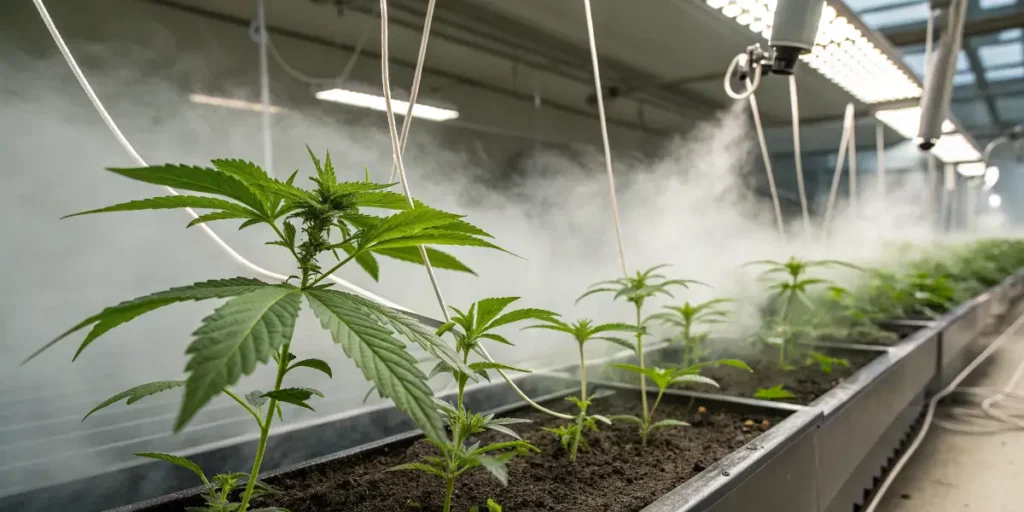
Creating Cannabis Clones with an Aero Cloner: A Step-by-Step Guide

Efficient Root Development: Creating cannabis clones with an aero cloner accelerates root growth by up to 30% compared to traditional methods. This technique uses a misting system to deliver nutrients directly to the plant cuttings, promoting faster and healthier root development. Ideal for growers seeking to optimize their cloning process, this method significantly reduces the time required for successful rooting.
Using an aero cloner for cannabis cloning offers a streamlined approach that enhances terpene retention and shortens flowering time. This guide will delve into the specifics of aeroponic cloning, providing insights into equipment selection and troubleshooting. With the right setup, you can expect a 20% increase in cloning success rates, making it a preferred method for many cultivators.
Recommended Strains
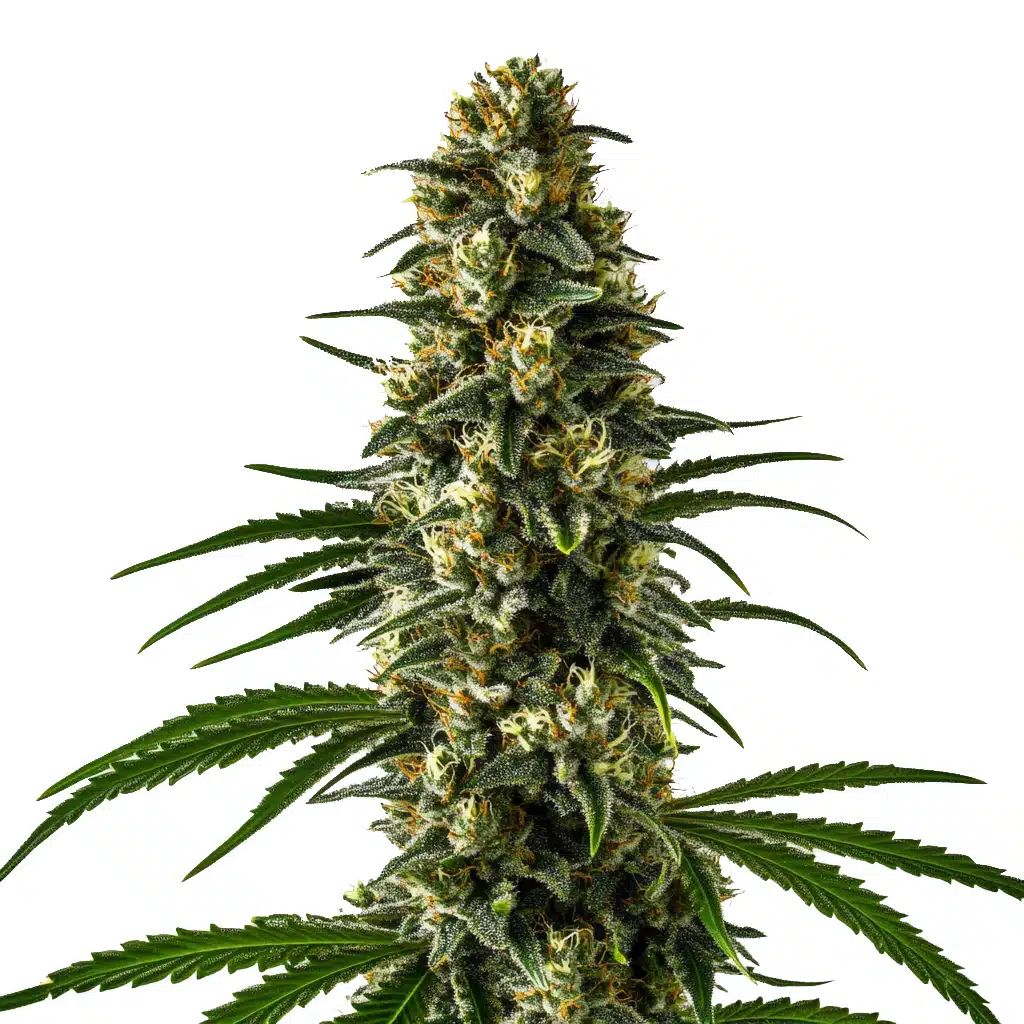
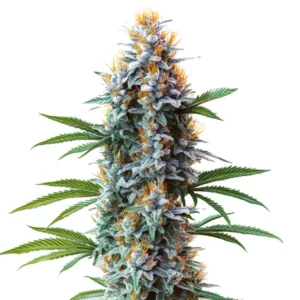
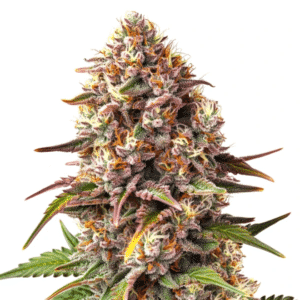
Girl Scout Cookies

|
THC | 18% - 25% (High) |

|
Type | Feminized |

|
Yield | High |

|
Phenotype | 60% Indica / 40% Sativa |
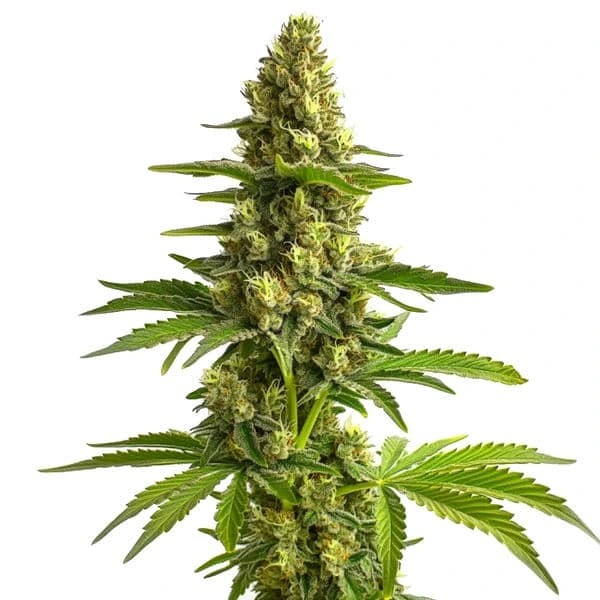
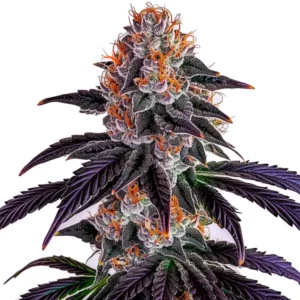
Bruce Banner #3
|
|
THC | 20% - 29% (High) |
|
|
Type | Feminized |
|
|
Yield | High |
|
|
Phenotype | 50% Indica / 50% Sativa |
Introduction to Aeroponic Cloning
What is an Aero Cloner?
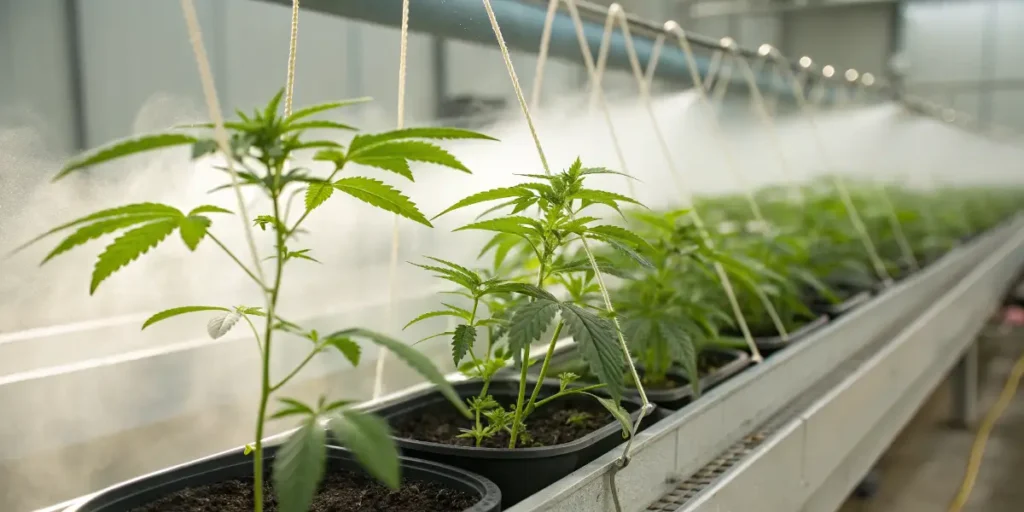
An aero cloner is a device designed to propagate plant cuttings using aeroponic technology. It suspends cuttings in a chamber where they are misted with a nutrient-rich solution. This method keeps the cuttings hydrated and promotes rapid root development. The aeroponic environment minimizes disease risk, making it ideal for cannabis cloning.
Typically, an aero cloner maintains humidity levels between 70-80% and temperatures around 68°F (20°C). This creates an optimal environment for root growth. Many cultivators find this method superior due to its efficiency in producing robust clones without soil or traditional rooting mediums.
Practical Application & Impact
For visual learners, there are numerous videos available on YouTube that demonstrate the aeroponic cloning process. These resources can be invaluable for grasping the setup and operation of an aero cloner. Watching a video tutorial can complement this guide, enhancing your practical knowledge of the process.
Download our beginner’s PDF guide for quick reference, which outlines the step-by-step process of setting up and using an aero cloner. This resource is particularly useful for those new to cannabis cloning, offering detailed instructions and troubleshooting tips.
Promos & Deals




Benefits of Using an Aero Cloner for Cannabis
Enhanced Root Development
Using an aero cloner enhances root development by providing a constant supply of oxygen and nutrients. This method accelerates the rooting process, with roots typically appearing within 5-10 days. Compared to traditional soil methods, aeroponic cloning can reduce rooting time by 30%, allowing for quicker plant turnover.
The consistent nutrient delivery in an aero cloner ensures that each cutting receives optimal nourishment. This results in healthier, more vigorous clones that are ready for transplantation sooner. The ability to control environmental factors such as humidity and temperature further enhances the success rate of cloning.
Reduction in Disease and Pest Risks
Aeroponic systems significantly reduce the risk of soil-borne diseases and pests. Since the cuttings are not in contact with soil, common issues like root rot and fungal infections are minimized. This leads to a higher success rate and healthier clones.
Moreover, the sterile environment of an aero cloner prevents the introduction of pests that can plague traditional soil-based cloning. By maintaining a clean system and regularly sanitizing equipment, you can ensure the health and vitality of your clones, leading to better overall plant health.
Creating Cannabis Clones with an Aero Cloner
Materials Needed
To create cannabis clones with an aero cloner, you’ll need a few essential materials. These include an aero cloner unit, a nutrient solution, and clean, sharp scissors for cutting. It’s also important to have a pH meter to ensure the nutrient solution is balanced, ideally between pH 5.5 and 6.5.
Additionally, a timer for the misting system is crucial to automate the process. This ensures that the cuttings receive consistent misting, typically every 5-10 minutes. Proper lighting, such as a T5 fluorescent or LED grow light, should be maintained at 18-24 inches above the clones to promote healthy growth.
Step-by-Step Cloning Process
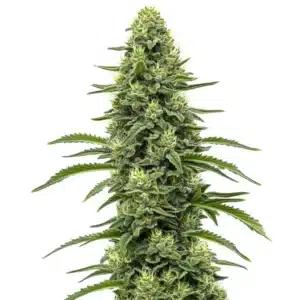
Learn how to make a clone using the aeroponic method by following these steps. First, select healthy mother plants with strong genetics, such as GG4 or Girl Scout Cookies. Cut 4-6 inch sections from the plant, ensuring each has at least one node.
Next, place the cuttings in the aero cloner, ensuring the stems are suspended in the misting chamber. Fill the reservoir with a nutrient solution, maintaining a temperature of 68-72°F (20-22°C). Set the timer to mist every 5-10 minutes, ensuring the cuttings remain hydrated.
For visual learners, there are numerous videos available on YouTube that demonstrate the aeroponic cloning process. These resources can be invaluable for knowing the setup and operation of an aero cloner. Additionally, consider watching a video tutorial to complement this guide, enhancing your practical knowledge of the process.
Troubleshooting Common Issues
Addressing Rooting Delays
If you experience delays in rooting, check the pH and nutrient levels in your solution. Ensure the pH is between 5.5 and 6.5, and adjust if necessary. Low temperatures can also slow root development; maintain a consistent temperature of 68-72°F (20-22°C) within the cloner.
Another common issue is insufficient misting. Ensure the misting system is functioning correctly and that the cuttings are receiving adequate moisture. Regularly clean the nozzles to prevent clogs that can disrupt the misting process.
Preventing Fungal Growth
Fungal growth can be a concern in humid environments. To prevent this, regularly sanitize your aero cloner and replace the nutrient solution every two weeks. Ensure adequate airflow around the cloner to reduce humidity levels and discourage fungal development.
Using a fungicide specifically designed for aeroponic systems can also help manage fungal issues. Always follow the manufacturer’s instructions to avoid damaging the clones or introducing harmful chemicals into the system.
Alternative Cloning Techniques
Cloning Cannabis Without Rooting Hormone
Explore how cloning can be done effectively without using rooting hormones. Some cultivators prefer natural methods, relying on the plant’s inherent ability to root. This can be achieved by maintaining optimal environmental conditions and using high-quality water.
Rooting cannabis cuttings in water is another method to consider. This technique involves placing cuttings in a container of water, changing the water every few days to prevent stagnation. While slower than aeroponic methods, it can be effective for those without access to an aero cloner.
Cloning Plants by Cuttings
Cloning by cuttings is a traditional method that complements aeroponic techniques. This involves taking cuttings from a healthy mother plant and placing them in a rooting medium such as rockwool or peat pellets. This method requires careful monitoring of humidity and temperature to ensure successful rooting.
While this method can be effective, it often requires the use of rooting hormones to enhance success rates. However, it remains a viable option for those who prefer a more hands-on approach to cloning.
| Feature | GG4 | Girl Scout Cookies | Bruce Banner |
|---|---|---|---|
| THC Content | 27% | 18-25% | 20-29% |
| Dominant Terpene | Humulene | Limonene | Myrcene |
| Aroma | Fruity, Pine, Spicy | Fruity, Sweet | Earthy, Fruity, Sweet |
| Flowering Time | 8-10 weeks | 8-10 weeks | 8-10 weeks |
| Yield Indoor | 1.64 – 1.97 oz/ft² | 500 – 600 g/m² | 1.64 oz/ft² | 500 g/m² | 21 oz/plant |
Professional Tips for Successful Cloning
- Maintain 68-72°F (20-22°C) in the cloner to optimize root development. Avoid temperatures below 65°F, which can slow growth.
- Ensure pH levels are between 5.5 and 6.5 for nutrient absorption. Incorrect pH can lead to nutrient lockout.
- Use a digital hygrometer to monitor humidity, keeping it between 70-80% to prevent dehydration.
- Sanitize equipment regularly to prevent fungal infections. Neglecting this can lead to clone failure.
- Check misting nozzles weekly to ensure they are not clogged, ensuring consistent hydration.
- Use a light cycle of 18/6 to encourage vegetative growth, avoiding flowering triggers.
Frequently Asked Questions
What is the ideal temperature for an aero cloner?
The ideal temperature for an aero cloner is between 68-72°F (20-22°C). Maintaining this range ensures optimal root development and prevents stress on the cuttings. Temperatures outside this range can slow growth or lead to other issues.
How often should I change the nutrient solution?
Change the nutrient solution every two weeks to prevent the buildup of pathogens and ensure the cuttings receive fresh nutrients. Regular changes help maintain the health of the clones and prevent contamination.
Can I use tap water in my aero cloner?
It’s best to use filtered or distilled water in an aero cloner to avoid contaminants found in tap water. Tap water may contain chlorine or other chemicals that can harm the cuttings. Always check the pH and adjust as needed.
How long does it take for roots to develop in an aero cloner?
Roots typically develop within 5-10 days in an aero cloner. This rapid development is due to the consistent misting and nutrient delivery, which promotes healthy root growth. Factors like temperature and humidity can affect this timeline.
What is the benefit of using an aero cloner over traditional methods?
Aero cloners offer faster root development and reduce the risk of soil-borne diseases. This method also allows for precise control over environmental conditions, leading to higher success rates and healthier clones compared to traditional soil methods.