F1, F2, and S1 Cannabis Seeds: A Detailed Insight

Seed Generations Explained: F1, F2, and S1 cannabis seeds each offer unique benefits for growers. F1 seeds are known for their uniformity and vigor, ideal for commercial operations. F2 seeds provide genetic diversity, perfect for breeders seeking unique traits. S1 seeds are self-pollinated and replicate the mother plant’s genetics, ideal for preserving specific strains. Understanding these differences helps you select the right seeds for your cultivation goals.
When diving into cannabis cultivation, understanding seed types is crucial. F1 seeds offer uniform growth and vigor, while F2 seeds provide genetic diversity for breeders. S1 seeds, derived from self-pollination, replicate the mother plant’s unique traits. Each type serves distinct purposes, from commercial consistency to breeding exploration, ensuring you achieve your cultivation goals.
Recommended Strains

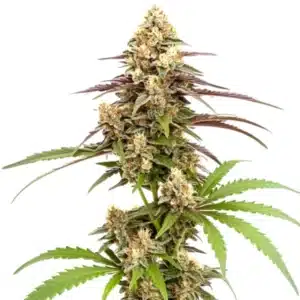
Future #1

|
THC | 30% - 37% (High) |

|
Type | Feminized |

|
Yield | High |

|
Phenotype | 50% Indica / 50% Sativa |
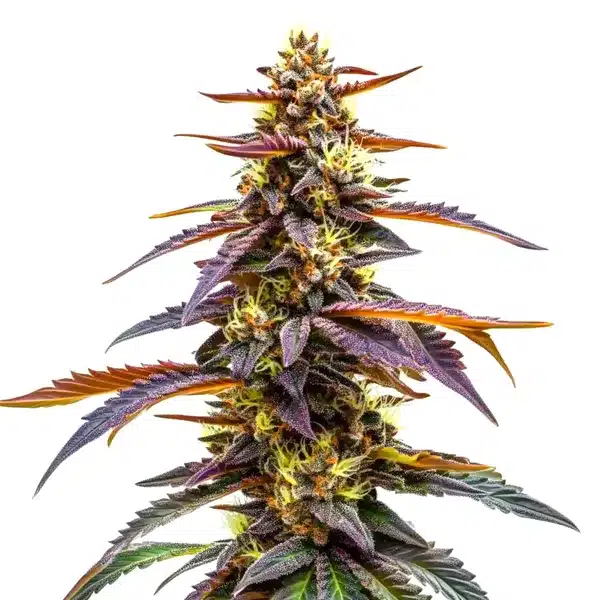
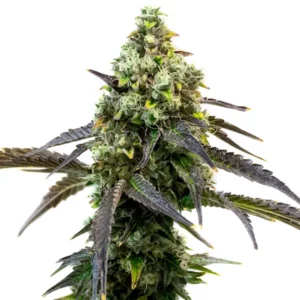
RudeBoi OG F1
|
|
THC | 19% - 23% (Medium) |
|
|
Type | Feminized F1 |
|
|
Yield | High |
|
|
Phenotype | 50% Indica / 50% Sativa |
What Are F1 Cannabis Seeds?
Benefits of F1 Seeds
F1 cannabis seeds, or “First Filial” generation, result from crossing two distinct, stable parent plants. This process ensures uniformity and vigor, known as hybrid vigor or heterosis. F1 seeds are celebrated for their consistent growth patterns, flowering at the same time, and often yielding higher than either parent. This makes them particularly appealing for commercial operations seeking predictable results.
F1 seeds typically exhibit uniform traits, such as plant height and flowering time, making them a reliable choice for growers. For instance, F1 strains like GG4 can produce yields of 1.5-1.8 oz/ft² (450-550 g/m²) indoors, with THC levels reaching 25-30%. Such consistency is invaluable for large-scale growers aiming for efficiency and quality.
Who Should Use F1 Seeds?
Commercial growers favor F1 seeds due to their reliability and high performance. These seeds minimize surprises, ensuring a uniform crop that meets market demands. For example, a grower using F1 seeds can expect plants to mature uniformly, reducing the complexity of harvest scheduling and post-harvest processing.
Tip: Maintain a consistent light schedule of 18/6 for vegetative growth to maximize the potential of F1 seeds. Inconsistent lighting can disrupt growth patterns, leading to uneven development.
Promos & Deals
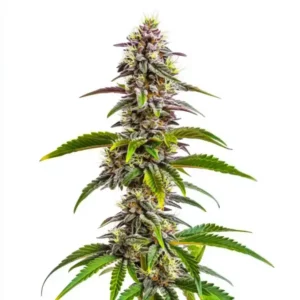
F2 Cannabis Strains: Genetic Diversity Unleashed
Genetic Diversity in F2 Seeds
F2 seeds are the second generation, created by crossing two F1 plants. This results in a wide range of genetic expressions, offering a treasure trove of phenotypes. While F1 seeds provide uniformity, F2 seeds are a genetic lottery, with offspring displaying a mix of traits from their grandparents. This diversity is ideal for breeders seeking unique characteristics.
F2 strains, such as Critical Bilbo X Rainbow Chips Regular, can exhibit a range of THC levels from 18-24% and varied terpene profiles. This variability allows breeders to select plants with desired traits, such as specific aromas or growth habits, for further breeding projects.
Ideal Users for F2 Seeds
Breeders and pheno-hunters thrive on the diversity offered by F2 seeds. These seeds are perfect for those willing to grow multiple plants and select the best phenotypes for cloning or further breeding. The process requires patience and a keen eye for desirable traits, but the rewards can be substantial.
Tip: When hunting for phenotypes, grow at least 10-20 plants to increase the chances of finding unique traits. This approach maximizes the genetic diversity available in F2 seeds.
| Feature | GG4 | Critical Bilbo X Rainbow Chips Regular | Grandaddy Purple |
|---|---|---|---|
| THC Content | 25-30% | 18-24% | 20-23% |
| Dominant Terpene | Caryophyllene | Myrcene | Pinene |
| Yield | 1.5-1.8 oz/ft² (450-550 g/m²) | 1.2-1.5 oz/ft² (360-450 g/m²) | 1.3-1.6 oz/ft² (390-480 g/m²) |
| Flowering Time | 8-9 weeks | 9-10 weeks | 8-9 weeks |
| Aroma | Earthy, Pine | Fruity, Sweet | Grape, Berry |
What Are S1 Cannabis Seeds?
S1 Seeds Meaning and Process
S1 seeds, or “first selfed generation,” are created by self-pollinating a female plant. This involves reversing a female plant to produce pollen, which is then used to pollinate itself. The result is seeds that closely replicate the mother plant’s genetics, offering a near-identical genetic copy in seed form.
For example, S1 seeds of a strain like Grandaddy Purple can maintain the original’s THC levels of 20-23% and its signature grape and berry aroma. This makes S1 seeds ideal for preserving the genetics of a prized plant, ensuring its traits are consistently reproduced in future grows.
S1 vs F1 Seeds: Key Differences
While F1 seeds focus on hybrid vigor and uniformity, S1 seeds aim to replicate the mother plant’s traits. This makes S1 seeds perfect for growers who want to preserve a specific phenotype, while F1 seeds are better for those seeking consistent performance across a crop.
Tip: Use S1 seeds when you have a “holy grail” plant you wish to preserve. However, be cautious of potential negative traits that may surface due to the selfing process.
What Does S1 Mean in Seeds?
S1 cannabis seeds are the first generation of self-pollinated seeds, designed to replicate the genetic makeup of the mother plant. This method ensures that the offspring retain the specific traits of the parent, making S1 seeds ideal for growers looking to preserve a strain’s unique characteristics.
Professional Tips for Seed Selection
- Choose F1 seeds for uniformity and high yield. Their consistent growth patterns make them ideal for commercial cultivation.
- Opt for F2 seeds if you’re a breeder looking for genetic diversity. This allows for the discovery of unique phenotypes.
- Use S1 seeds to preserve specific plant traits. This is crucial for maintaining the genetics of a prized strain.
- Ensure proper storage: Keep seeds at 59-70°F (15-21°C) and 58-62% RH to maintain viability.
- Monitor plant health closely when using S1 seeds, as selfing can reveal hidden negative traits.
- Conduct regular pH checks (5.8-6.5) in your growing medium to prevent nutrient lockout and ensure optimal growth.

FAQs about F1, F2, and S1 Seeds
Are F1 or F2 seeds better?
F1 seeds are better for consistency and predictability, offering uniform growth and high yields, ideal for commercial growers. F2 seeds provide genetic diversity, making them suitable for breeders seeking unique phenotypes. The choice depends on your goals: uniformity for production or diversity for breeding.
What does S1 mean on seeds?
S1 seeds are the first selfed generation, created by self-pollinating a female plant. This process aims to replicate the mother plant’s genetics, producing seeds that closely resemble the original plant. S1 seeds are ideal for preserving specific traits of a prized strain.
What does F1 F2 mean in genetics?
F1 refers to the first generation of offspring from two distinct parent plants, known for uniformity and vigor. F2 is the second generation, resulting from crossing two F1 plants, offering genetic diversity. These terms indicate the generational stage and genetic stability of the seeds.
What does F2 mean on seeds?
F2 seeds are the second generation from crossing two F1 plants. They exhibit a wide range of genetic expressions, providing breeders with diverse phenotypes to explore. This genetic variety is valuable for discovering new traits and developing unique cannabis strains.
How to store cannabis seeds properly?
Store cannabis seeds in a cool, dark place with temperatures between 59-70°F (15-21°C) and relative humidity of 58-62%. Use airtight containers to prevent moisture exposure. Proper storage ensures seed viability for up to 12 months, preserving their genetic potential for future cultivation.