Citrus Cannabis VOCs: The Limonene Aroma

In the world of cannabis, limonene stands out for its vibrant citrus aroma, making citrus cannabis VOCs limonene aroma one of the most recognizable scent profiles among cannabis enthusiasts. This terpene not only enhances the sensory experience but also offers potential health benefits. Known for its mood-enhancing effects, limonene plays a crucial role in the entourage effect. With a flowering time of 8–9 weeks, limonene-rich strains are especially popular among growers seeking intense aromatic profiles and flavorful harvests.
What is Limonene?
Is limonene in lemon juice?
Limonene is a major component found in lemon juice, contributing to its characteristic citrus aroma. Known for its fresh and uplifting scent, citrus cannabis VOCs limonene aroma is also highly valued in cannabis, where this terpene enhances the flavor and aromatic profile of many strains. The presence of limonene in lemon juice is a testament to its widespread occurrence in nature, making it a key player in the citrus scent family.
Recommended Strains

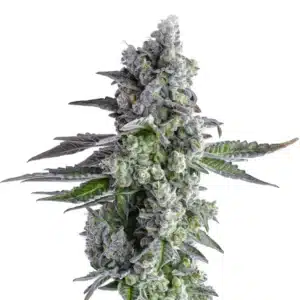
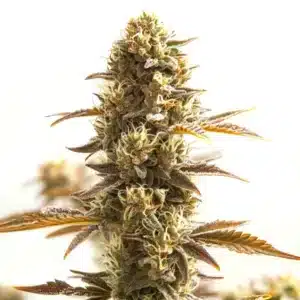
GG4

|
THC | 27% (High) |

|
Type | Feminized |

|
Yield | High |

|
Phenotype | 40% Indica / 60% Sativa |
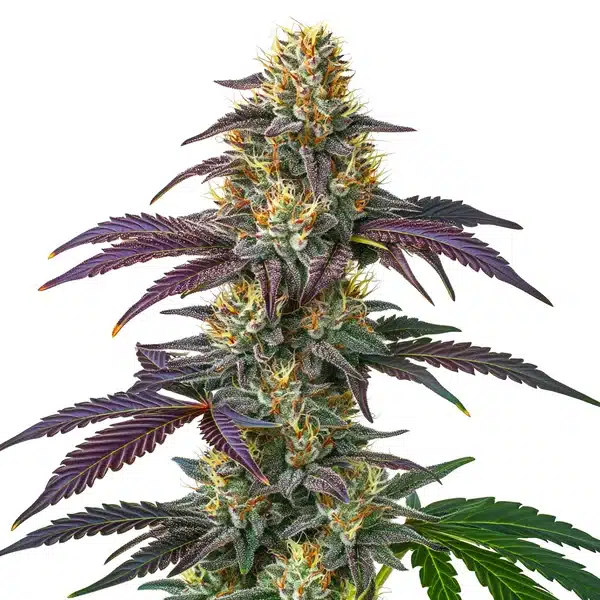
Limoncello
|
|
THC | 27% - 28% (High) |
|
|
Type | Feminized |
|
|
Yield | High |
|
|
Phenotype | 20% Indica / 80% Sativa |
In cannabis, limonene typically ranges from 0.5% to 2% of the total terpene content. This percentage can vary depending on the strain and growing conditions. Its presence in lemon juice and cannabis highlights its versatility and importance in both culinary and medicinal applications.
Is limonene in oranges?
Limonene is abundant in oranges, making them a rich source of this citrus-scented terpene. This compound is responsible for the fresh, zesty aroma of oranges, similar to its role in cannabis. The high concentration of limonene in oranges underscores its significance in the citrus fruit family.
In cannabis cultivation, the limonene content can influence the overall aroma and flavor of the plant. Growers often select strains with higher limonene levels to enhance the sensory appeal of their crops, aiming for a terpene profile that mirrors the refreshing scent of oranges.
Promos & Deals
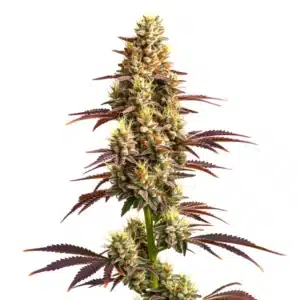
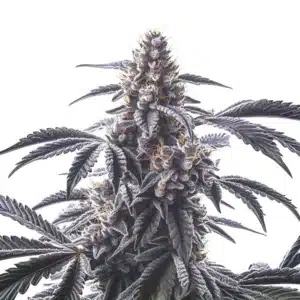
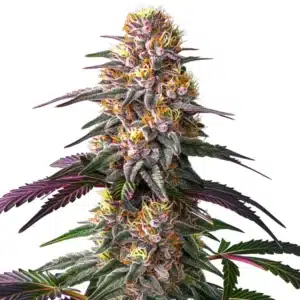
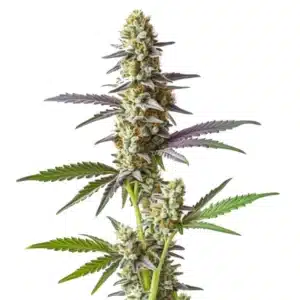
Limonene’s Influence in Cannabis
Practical Applications in Cultivation
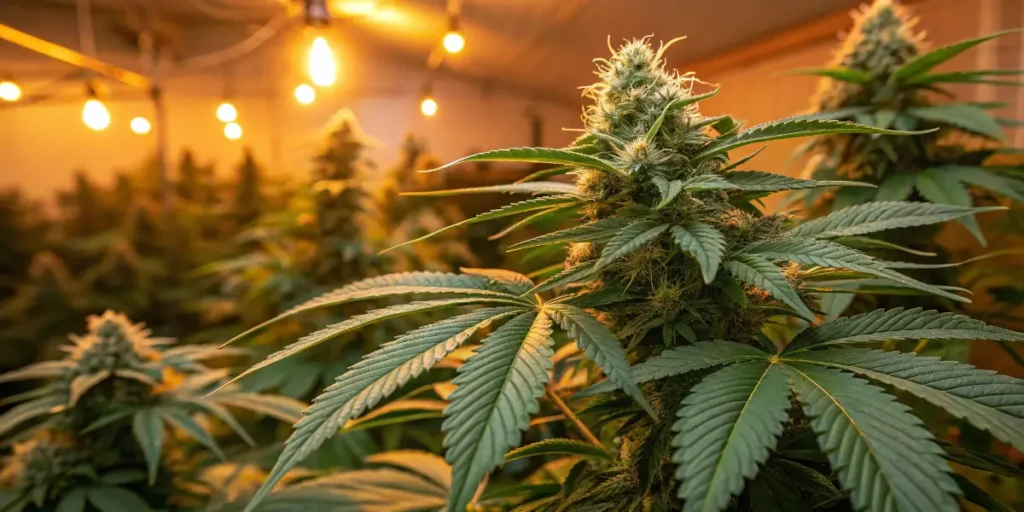
Growers value limonene for its ability to enhance the aromatic profile of cannabis plants. This terpene not only contributes to the citrus scent but also plays a role in pest resistance. By selecting strains with high limonene content, cultivators can naturally deter pests, reducing the need for chemical interventions.
Strains like GG4 are known for their high resin production and limonene-rich profiles. These traits make them popular among growers seeking both potency and aroma. The combination of limonene and other terpenes creates a complex bouquet that is highly sought after in the cannabis market.
Limonene’s Impact on Aroma and Flavor
Limonene significantly influences the aroma and flavor profile of cannabis. Known for its distinctive citrus cannabis VOCs limonene aroma, this terpene enhances the overall sensory experience, making it a favorite among consumers who appreciate fruity and refreshing strains. The presence of limonene can also affect the perceived potency of the cannabis, as its bright citrus aroma contributes to a more intense and enjoyable experience.
Experienced growers report that maintaining optimal terpene levels, including limonene, requires precise environmental control. This includes regulating humidity and temperature to ensure that the delicate terpene structures are preserved during the drying and curing processes.
Benefits and Uses of Limonene
Limonene Terpene Benefits
Limonene offers various benefits, including mood enhancement and anti-inflammatory effects. It is known for its ability to elevate mood and relieve stress, making it a popular choice for individuals seeking a natural way to improve mental well-being. Additionally, its anti-inflammatory properties can aid in reducing inflammation in the body.
Many cultivators share that limonene’s benefits extend to its potential role in enhancing the bioavailability of other cannabinoids. This means that when consumed together, limonene can help increase the absorption of THC and CBD, amplifying their effects.
Limonene Uses
Beyond its aromatic qualities, limonene is used in cleaning products and as a flavoring agent. Its fresh citrus scent makes it a natural choice for household cleaners, while its pleasant taste is utilized in food and beverages. Limonene’s versatility is evident in its widespread use across different industries.
In the cannabis industry, limonene is often highlighted in strain descriptions to attract consumers looking for specific flavor profiles. Its presence can influence purchasing decisions, as many users prefer strains with a citrusy aroma and flavor.
Limonene and Health Considerations
Limonene Terpene Side Effects
While limonene is generally safe, some individuals may experience side effects such as skin irritation. This is more common when limonene is used in high concentrations, such as in cleaning products or essential oils. In the cannabis industry, citrus cannabis VOCs limonene aroma is widely recognized for its fresh and uplifting scent profile. However, it’s still important to conduct a patch test before using products containing limonene directly on the skin.
Experienced growers report that limonene can also cause respiratory irritation if inhaled in large amounts. Therefore, proper ventilation is crucial when working with limonene-rich products, especially in enclosed spaces.
Limonene and Cancer
In professional cultivation circles, limonene is often highlighted for its potential health benefits, including its possible role in cancer prevention. This has led to increased interest in limonene-rich strains for both recreational and medicinal use. However, it’s important to note that these findings are preliminary and require further validation.
Limonene in Essential Oils
Limonene Essential Oil
Limonene is a key ingredient in many essential oils, valued for its uplifting scent. Its fresh, citrus aroma is commonly used in aromatherapy to promote relaxation and reduce stress. Limonene essential oil is often used in diffusers and personal care products for its mood-enhancing properties.
The growing community has communicated that limonene’s presence in essential oils can also enhance the absorption of other active compounds. This makes it a popular choice for blending with other essential oils to create synergistic effects.
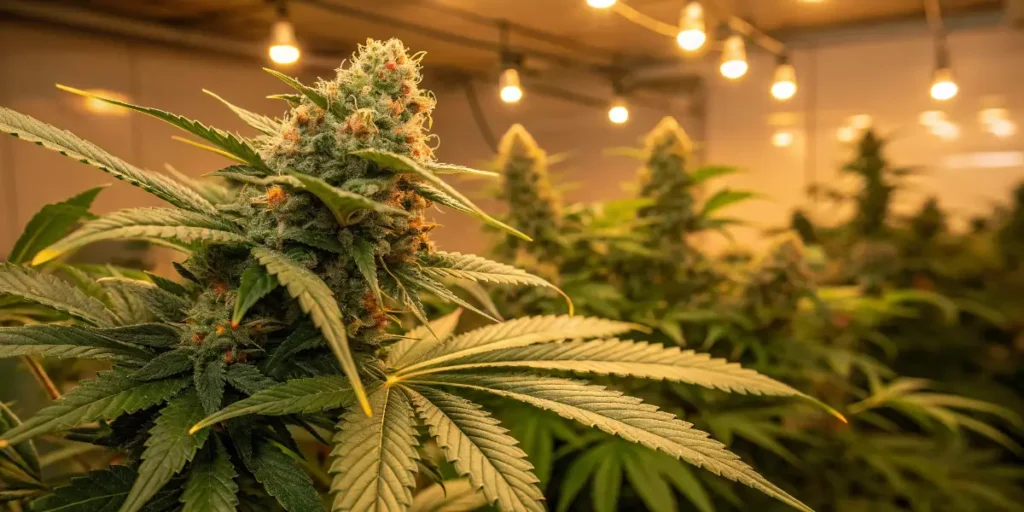
Safety and Properties of Limonene
Limonene Flammable
As a volatile organic compound, limonene is flammable and should be handled with care. Its flammability is a consideration in both industrial and home settings, where proper storage and handling procedures are essential to prevent accidents. Always store limonene-containing products away from open flames and heat sources.
Master growers have pointed out that limonene’s flammability does not diminish its value as a terpene. Instead, it highlights the need for awareness and safety measures when working with this compound in various applications.
Professional Tips for Handling Limonene
- Maintain 58-62% RH during curing to preserve limonene. Below 55% can cause terpene degradation, while above 65% increases mold risk.
- Use a digital hygrometer for accurate humidity readings, avoiding analog models that can be less precise.
- When using limonene in essential oils, blend with carrier oils to prevent skin irritation. Test on a small area first.
- Store limonene-rich products in a cool, dark place to prevent degradation. Exposure to light and heat can reduce potency.
- Ensure proper ventilation when working with limonene to avoid respiratory irritation. Use in well-ventilated areas or outdoors.
- Never exceed recommended concentrations of limonene in DIY products to avoid potential side effects like skin irritation.
FAQs about citrus cannabis VOCs limonene aroma
Is limonene a VOC?
Yes, limonene is a volatile organic compound (VOC) found in cannabis and citrus fruits. It contributes to the aromatic profile of these plants. VOCs like limonene are responsible for the distinctive scents and flavors, with concentrations in cannabis ranging from 0.5% to 2%.
Which terpenes help with arthritis?
Limonene, along with other terpenes like myrcene and caryophyllene, may help with arthritis due to their anti-inflammatory properties. Limonene’s ability to reduce inflammation can aid in alleviating joint pain, making it a valuable component in therapeutic cannabis strains.
What is the mother of all terpenes?
While there isn’t a single “mother of all terpenes,” myrcene is often considered one of the most important due to its prevalence in cannabis. Limonene also plays a significant role, contributing to the citrus aroma and potential health benefits like mood enhancement.
What terpene smells like citrus?
Limonene is the terpene most commonly associated with a citrus aroma. It is found in high concentrations in citrus fruits and certain cannabis strains, imparting a fresh, zesty scent. Limonene’s presence enhances the sensory appeal of cannabis, making it popular among consumers.
How to store limonene-rich products?
Store limonene-rich products in a cool, dark place at temperatures between 59-70°F (15-21°C) to maintain potency. Use airtight containers to prevent oxidation and preserve the terpene profile. Proper storage ensures the longevity and effectiveness of limonene-containing products.