Garlic Cannabis VOCs: Aromatic Insights

Garlic cannabis VOCs are fascinating due to their unique influence on the aroma and flavor profiles of cannabis strains. These compounds, rich in sulfur, are akin to those found in garlic, contributing to the plant’s pungent scent. While terpenes like myrcene and caryophyllene are common, the presence of volatile sulfur compounds adds a distinctive edge to certain strains.
VOCs in Cannabis and Garlic
What Are VOCs?
Volatile organic compounds (VOCs) are chemicals that easily vaporize at room temperature, contributing to the aroma and flavor of plants. In cannabis, these compounds include terpenes and sulfur-based molecules, which play a crucial role in the plant’s sensory characteristics. VOCs are responsible for the diverse scents ranging from fruity to skunky.
Recommended Strains
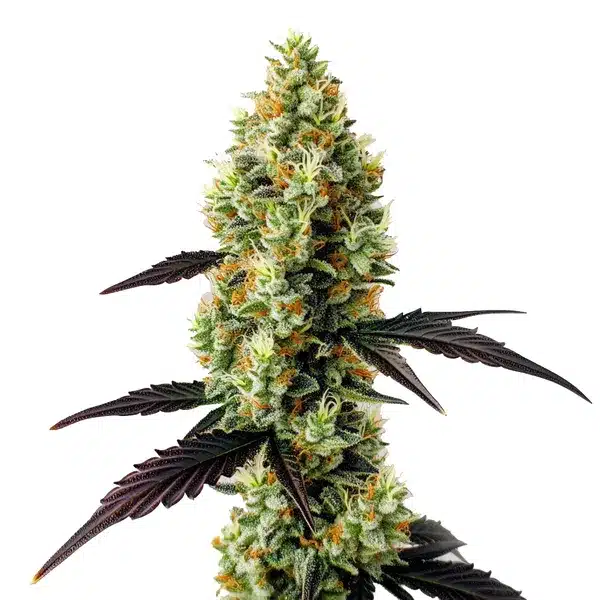
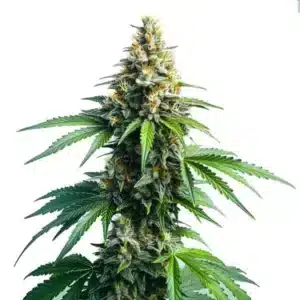
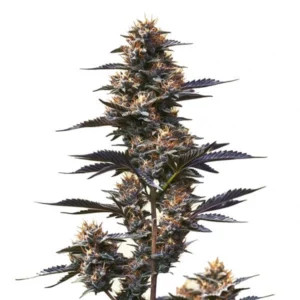
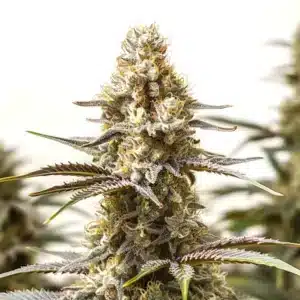
Gelato x Girl Scout Cookies

|
THC | 25% - 28% (High) |

|
Type | Feminized |

|
Yield | High |

|
Phenotype | 60% Indica / 40% Sativa |

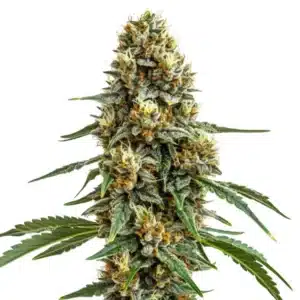
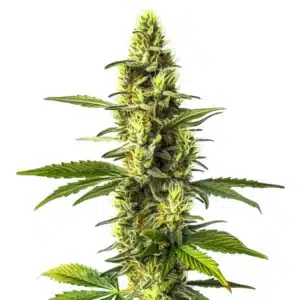
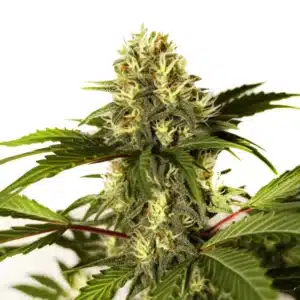
Forbidden Fruit
|
|
THC | 23% - 26% (High) |
|
|
Type | Feminized |
|
|
Yield | Medium |
|
|
Phenotype | 70% Indica / 30% Sativa |
In garlic, VOCs are primarily sulfur compounds, such as allicin, which give garlic its characteristic pungent odor. These compounds are released when garlic is crushed or chopped, leading to its strong aroma. The concentration of these compounds can be as high as 2.5% by weight in fresh garlic.
Chemical Composition of Garlic VOCs
Garlic’s VOCs are dominated by sulfur compounds, with allicin being the most notable. Allicin forms when the enzyme alliinase converts alliin into allicin upon crushing garlic. This conversion is rapid, occurring within seconds. Allicin’s decomposition leads to the formation of other sulfur compounds like diallyl disulfide and diallyl trisulfide, which contribute to garlic’s potent aroma.
These sulfur compounds are not only responsible for garlic’s smell but also its health benefits. Allicin, for instance, has antimicrobial properties and can contribute to cardiovascular health. The concentration of allicin can vary depending on the garlic variety and growing conditions, typically ranging from 0.2% to 0.5% of fresh weight.
Promos & Deals
Chemical Composition of Cannabis VOCs
Key Compounds in Cannabis
Cannabis VOCs include a variety of terpenes and sulfur compounds. Terpenes like myrcene, limonene, and caryophyllene are prevalent, contributing to cannabis’ diverse scents. Myrcene, for example, can range from 0.8% to 1.2% in concentration, imparting earthy and musky notes. Limonene, present at 0.5% to 0.8%, offers citrusy aromas.
Sulfur compounds, though less common, significantly impact the aroma. Cannabis thiols, such as 3-methyl-2-butene-1-thiol, are notable for their skunky scent. These compounds are present in trace amounts but have a potent aroma, influencing the overall sensory profile of cannabis strains.
Volatile Sulfur Compounds in Cannabis
Volatile sulfur compounds in cannabis are crucial for its distinctive aroma. These compounds, including prenylated volatile sulfur compounds, contribute to the skunky and pungent scents associated with certain strains. Their presence is often linked to the plant’s genetic makeup and environmental factors during cultivation.
Knowing these compounds helps growers enhance the aromatic qualities of their strains. By selecting strains with higher concentrations of sulfur compounds, cultivators can produce cannabis with unique and desirable aromas, appealing to consumers seeking specific sensory experiences.
Comparing Garlic and Cannabis VOCs
Similarities and Differences
Both garlic and cannabis contain volatile sulfur compounds that define their strong aromas. While garlic’s allicin is a primary sulfur compound, cannabis features prenylated volatile sulfur compounds contributing to its skunky scent. These compounds, although different in structure, share the ability to produce intense aromas.
The concentration of these compounds can vary significantly. Garlic typically contains 0.2% to 0.5% allicin by weight, while cannabis thiols are present in much smaller quantities, often less than 0.01%. This difference in concentration highlights the unique aromatic profiles of each plant.
Impact on Aroma and Flavor
The presence of garlic-like compounds in cannabis can enhance its aroma and flavor, providing a unique sensory experience. Strains with these compounds often have a pungent, skunky aroma that appeals to enthusiasts seeking bold flavors. These aromatic qualities can also influence the perceived potency and enjoyment of the strain.
For cultivators, selecting strains with higher levels of sulfur compounds can be a strategic choice. These strains often stand out in the market for their distinctive aroma, attracting consumers looking for something different. However, it’s crucial to balance these compounds with other terpenes to ensure a pleasant overall profile.
Practical Applications and Strain Examples
Strains with Garlic-like VOCs
Several cannabis strains are known for their garlic-like VOCs, offering unique aromatic experiences. Gelato X Girl Scout Cookies is one such strain, featuring a complex aroma with earthy and skunky notes. Its terpene profile includes myrcene and caryophyllene, which enhance its pungent scent.
Another example is Forbidden Fruit, known for its fruity yet spicy aroma. This strain combines limonene and caryophyllene, providing a balanced profile with a hint of garlic-like pungency. Its THC content ranges from 18% to 22%, making it a popular choice for those seeking a flavorful experience.
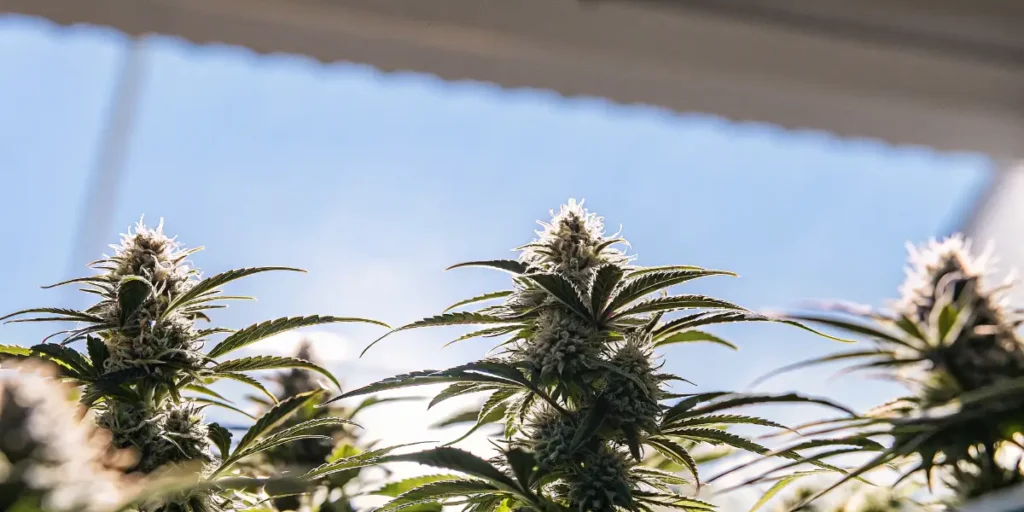
Professional Tips for Enhancing Cannabis Aroma
- Maintain 58-62% RH during curing to preserve volatile compounds. Lower humidity can lead to terpene degradation, while higher levels may cause mold.
- Use organic fertilizers to enhance natural terpene production. Chemical fertilizers can suppress terpene synthesis, affecting aroma quality.
- Ensure proper airflow in grow rooms to prevent VOC buildup. Stagnant air can lead to reduced terpene expression and plant stress.
- Harvest at peak maturity to capture the full terpene profile. Early or late harvesting can result in diminished aroma and flavor.
- Store cannabis in airtight containers at 59-70°F (15-21°C) to maintain aroma integrity. Temperature fluctuations can cause terpene evaporation.
- Experiment with different strains to identify those with preferred VOC profiles. Each strain’s unique chemistry offers diverse aromatic experiences.
FAQs about garlic cannabis VOCs
What are the volatile organic compounds in garlic?
Garlic’s volatile organic compounds are primarily sulfur-based, with allicin being the most prominent. Allicin forms when garlic is crushed, contributing to its pungent aroma. The concentration of allicin can range from 0.2% to 0.5% of fresh weight, depending on the variety and growing conditions.
How strong is garlic breath?
Garlic breath is notably strong due to sulfur compounds like allicin and its derivatives. These compounds are released into the bloodstream and exhaled through the lungs, leading to a persistent odor. The intensity can last for several hours, influenced by the amount of garlic consumed and individual metabolism.
What are the volatile organic compounds in cannabis?
Cannabis VOCs include terpenes like myrcene, limonene, and caryophyllene, along with sulfur compounds. These VOCs contribute to the plant’s aroma and flavor, with concentrations varying by strain. For example, myrcene can range from 0.8% to 1.2%, influencing the earthy scent of many cannabis varieties.
What are the effects of garlic Cookies?
Garlic Cookies, a cannabis strain, is known for its potent aroma and effects. It typically contains 20-24% THC, providing a strong, relaxing high. The strain’s terpene profile, rich in myrcene and caryophyllene, contributes to its earthy, skunky aroma, enhancing the overall sensory experience.
How do garlic VOCs affect breath and aroma?
Garlic VOCs, particularly sulfur compounds like allicin, significantly affect breath and aroma. These compounds are metabolized and exhaled through the lungs, resulting in a strong, lingering scent. The intensity of garlic breath can last several hours, depending on the amount consumed and individual metabolic rates.