Stoner Characters in Cartoons: A Cultural Exploration

Stoner characters in animation: Animated stoner characters often display traits such as insatiable appetites, relaxed attitudes, and eccentric behaviors. These figures, ranging from Shaggy Rogers to Jake the Dog, embody cultural stereotypes and add comedic value. Originating from 1970s stoner culture, these characters continue to captivate and amuse audiences today with their unique charm and relatable antics.
Stoner characters in cartoons often showcase unique terpene profiles, contributing to their distinct personalities. For instance, Shaggy Rogers’ laid-back demeanor might be likened to the effects of myrcene, known for its calming aroma and relaxation properties. These characters, much like cannabis strains, have evolved over time, reflecting societal changes and influencing pop culture significantly.
Recommended Strains
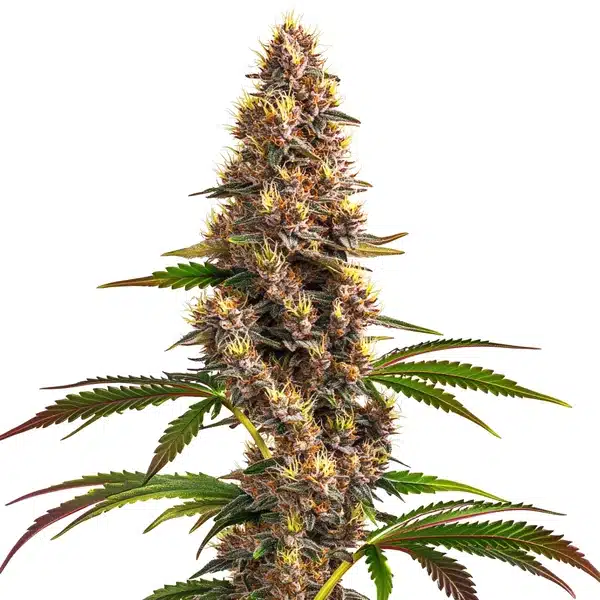
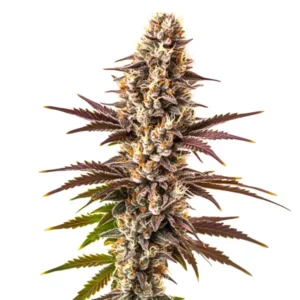
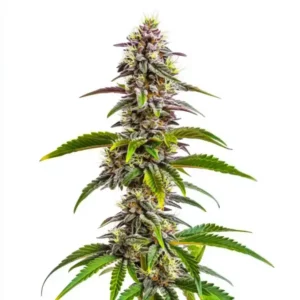
Super Boof

|
THC | 25% - 28% (High) |

|
Type | Feminized |

|
Yield | Low |

|
Phenotype | 60% Indica / 40% Sativa |
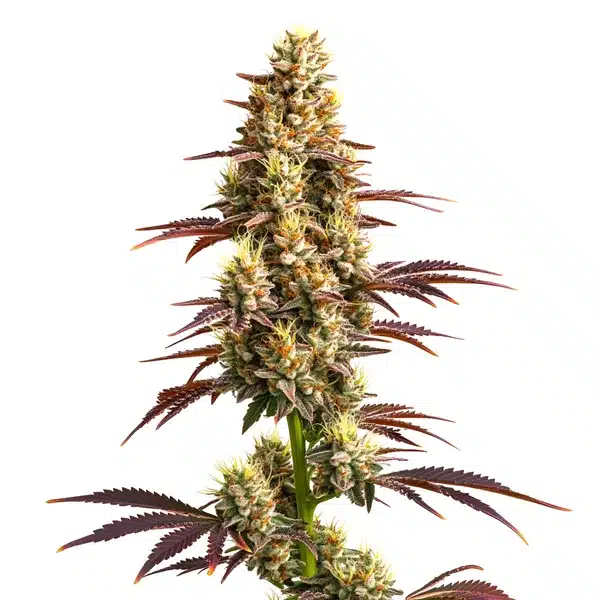
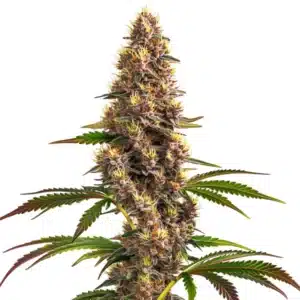
Super Boof Auto
|
|
THC | 25% - 28% (High) |
|
|
Type | Autoflowering |
|
|
Yield | Low |
|
|
Phenotype | 60% Indica / 40% Sativa |
Traits of Stoner Characters in Cartoons
Defining Stoner Traits in Animation
Stoner characters in animation are often characterized by their carefree attitudes, constant cravings for snacks, and a penchant for oddball humor. These traits are not just for comedic effect; they mirror the real-world stereotypes associated with cannabis culture. For example, the insatiable hunger seen in these characters parallels the “munchies” effect, a common side effect of THC consumption.
In terms of numbers, THC levels in strains like Alien GG can reach 25-30%, which aligns with the exaggerated behaviors of these characters. The laid-back nature of these figures often reflects the calming effects of terpenes like linalool, found in concentrations of 0.5-1% in certain strains.
Iconic Stoner Cartoon Characters
Iconic stoner characters like Shaggy Rogers from “Scooby-Doo” epitomize the archetype with their relaxed demeanor and constant quest for snacks. These characters often serve as a reflection of societal attitudes towards cannabis, providing a humorous lens through which audiences can engage with stoner culture. Their antics are not just entertaining but also offer subtle commentary on social norms.
Characters such as Patrick Star from “SpongeBob SquarePants” and Jake the Dog from “Adventure Time” further illustrate this archetype. Patrick’s love for Krabby Patties and Jake’s philosophical musings are reminiscent of the effects of strains high in myrcene and pinene, which contribute to relaxation and creativity, respectively.
| Feature | Shaggy Rogers | Patrick Star | Jake the Dog |
|---|---|---|---|
| Key Trait | Laid-back | Clueless | Philosophical |
| Favorite Snack | Scooby Snacks | Krabby Patties | Everything |
| Primary Terpene | Myrcene | Limonene | Pinene |
| Cultural Impact | High | Moderate | Significant |
| Humor Style | Slapstick | Absurd | Witty |
Promos & Deals

The Cultural Impact of Stoner Characters
How Stoner Characters Reflect Society
Stoner characters in cartoons offer a unique lens through which societal attitudes towards cannabis can be examined. These characters often embody the cultural zeitgeist, reflecting shifting perceptions of cannabis use and its normalization in popular media. Through humor and satire, they provide commentary on social norms and challenge stereotypes.
For instance, the portrayal of stoner characters has evolved alongside changing cannabis laws. As legalization spreads, these characters have become more nuanced, reflecting a broader acceptance of cannabis culture. The impact of these characters is evident in the way they resonate with audiences, offering both entertainment and a reflection of societal values.
Evolution of Stoner Characters in Animation
The evolution of stoner characters in animation mirrors the broader cultural shifts regarding cannabis. From the early days of Cheech and Chong to modern cartoons, these characters have undergone significant transformations. Initially, they were portrayed as caricatures, but over time, they have become more complex and relatable.
This evolution is not just a reflection of changing societal attitudes but also of advancements in animation and storytelling. Modern stoner characters often exhibit a depth that was absent in earlier portrayals, providing audiences with a more nuanced understanding of cannabis culture.
Top Strains for Stoner Vibes
For those seeking to emulate the laid-back vibes of their favorite stoner characters, certain cannabis strains can enhance the experience. Here are some top picks from Blimburn Seeds:
- Lemon Auto: With THC levels of 18-22%, this strain’s dominant terpene, limonene, offers a citrusy aroma that uplifts the mood, making it perfect for a relaxed evening. Lemon Auto
- Critical Kush: Known for its 20-25% THC, this strain’s high myrcene content provides a soothing, earthy aroma, ideal for unwinding. Critical Kush
- Amnesia Purple: With 22-26% THC, this strain’s pinene terpene offers a refreshing pine scent, enhancing creativity and focus. Amnesia Purple
- Alien Gorilla Glue: This powerhouse strain boasts 25-30% THC, with caryophyllene providing a spicy kick that complements its relaxing effects. Alien Gorilla Glue
- Blue Lobster: With a THC range of 20-24%, this strain’s linalool terpene offers a floral aroma, providing a calming, euphoric experience. Blue Lobster
Professional Tips for Enjoying Stoner Characters
- Maintain 58-62% RH when storing cannabis to preserve terpenes. Below 55% can lead to terpene loss, while above 65% risks mold growth.
- Consume 10-15mg of THC for a mild experience akin to stoner characters. Higher doses may lead to overwhelming effects.
- Pair strains high in myrcene with relaxing activities to enhance the calming effects these characters embody.
- Use a vaporizer set at 356°F (180°C) for optimal terpene release, mimicking the aromatic profiles of stoner strains.
- Track the legal possession limit in your state to avoid penalties. Exceeding limits can result in fines or legal issues.
- Explore strains with diverse terpene profiles to experience a range of effects similar to those seen in stoner characters.

FAQs About Stoner Characters in Cartoons
Who are some famous stoners?
Famous stoners include characters like Shaggy Rogers from “Scooby-Doo,” known for his constant munchies and laid-back demeanor. Other notable mentions are Beavis and Butt-Head, who embody the classic stoner vibe with their love for crude humor and snacks. These characters resonate due to their relatable, carefree attitudes.
What cartoon was banned for 44 years?
The cartoon “Coal Black and de Sebben Dwarfs” was banned for 44 years due to its controversial racial stereotypes. Released in 1943, it was part of Warner Bros.’ “Censored Eleven” series. The ban highlights the evolving standards in animation and the impact of cultural sensitivity on media content.
What cartoon characters smoke?
Cartoon characters like Homer Simpson from “The Simpsons” and Bender from “Futurama” have been depicted smoking. These portrayals often serve as comedic elements, reflecting adult themes in animation. While not explicitly stoner characters, their behaviors sometimes align with stoner culture stereotypes.
What are the top 10 stoner movies?
Top stoner movies include classics like “The Big Lebowski,” “Pineapple Express,” and “Cheech and Chong’s Up in Smoke.” These films often feature characters with laid-back attitudes and humorous adventures, mirroring the traits of stoner cartoon characters. They are popular for their comedic take on cannabis culture.
How do stoner characters influence pop culture?
Stoner characters influence pop culture by normalizing cannabis use and challenging stereotypes. Their presence in media reflects changing societal attitudes towards cannabis, contributing to a broader acceptance. They also inspire fashion, language, and humor trends, making them integral to cultural dialogues.
Keep reading
If this topic is useful for your grow, you will probably also want to read CBD Energy Drink: A Refreshing Boost with Added Benefits and Effects of Weed on Cats, two closely related guides from our blog that go deeper into the same subject.