Cannabis Polyploidy: Techniques & Benefits

Cannabis polyploidy: Cannabis polyploidy involves plants having more than two chromosome sets, potentially enhancing yield and resilience. This genetic variation can naturally occur or be induced, offering growers robust plants with unique metabolic processes. Polyploid cannabis may also exhibit increased vigor and resistance, making it an appealing option for cultivators seeking to optimize their crops.
Polyploid cannabis plants can produce unique terpene profiles, enhancing both aroma and flavor. These plants often have a flowering time of 8-10 weeks, offering a quick turnaround for growers. Understanding the intricacies of cannabis polyploidy can lead to improved cultivation techniques and more resilient strains.
Recommended Strains

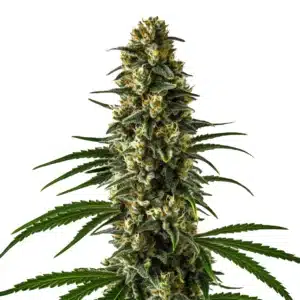
Motor Breath

|
THC | 30% - 33% (High) |

|
Type | Feminized |

|
Yield | Medium |

|
Phenotype | 70% Indica / 30% Sativa |

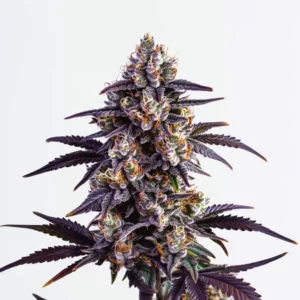
Gator Breath
|
|
THC | 30% - 33% (High) |
|
|
Type | Feminized |
|
|
Yield | Medium |
|
|
Phenotype | 70% Indica / 30% Sativa |
What is Cannabis Polyploidy?
Definition and Basic Concepts
Cannabis polyploidy refers to the genetic condition where a plant has more than two sets of chromosomes. This can naturally occur or be induced through chemical methods. Polyploid plants often exhibit increased size and vigor due to their enhanced genetic makeup, which allows for more robust growth and development.
In cannabis, polyploidy can lead to larger buds and increased resin production, with potential yields reaching 25-30 oz/plant (700-850 g/plant) outdoors. This is due to the increased cell size and number, which enhances the plant’s overall productivity.
Increased Yield and Vigor
Polyploid cannabis plants are known for their increased yield potential. With more chromosomes, these plants can produce more cells, resulting in larger buds and higher resin content. This makes polyploid strains particularly attractive for commercial growers aiming to maximize their harvests.
For example, a polyploid cannabis plant might yield 20-25% more than its diploid counterpart, significantly impacting the overall profitability of a cultivation operation. This increase in yield is due to the plant’s enhanced ability to photosynthesize and metabolize nutrients.
Promos & Deals


Benefits of Polyploid Cannabis
Enhanced Resistance and Resilience
Polyploid cannabis plants often show improved resistance to pests and diseases. This is because the genetic variation enhances their ability to withstand environmental stressors, making them more resilient in less-than-ideal growing conditions.
For instance, polyploid strains can thrive in temperatures ranging from 60°F to 85°F (15°C to 29°C), providing a broader range for cultivation. This resilience reduces the need for chemical interventions, lowering costs and environmental impact.
Unique Metabolic Processes
Polyploid cannabis plants may exhibit unique metabolic processes that contribute to their increased resilience and vigor. These processes can result in distinct terpene profiles, offering new flavors and aromas that enhance the consumer experience.
For example, a polyploid strain might have a higher concentration of terpenes like limonene, which can range from 0.5% to 1.0%, providing a citrusy aroma and potential anti-anxiety effects. This diversity in terpene profiles adds value to both recreational and medicinal cannabis markets.
Environmental Adaptability
Polyploid cannabis plants can adapt to a variety of environmental conditions more effectively than diploid plants. This adaptability is due to their enhanced genetic diversity, which allows them to survive and thrive in varying climates and soil types. The ability to tolerate a wider range of temperatures and humidity levels makes polyploid cannabis an excellent choice for outdoor cultivation.
For growers in regions with fluctuating weather patterns, polyploid cannabis offers the advantage of maintaining stable growth and yield. This adaptability also extends to nutrient uptake, where polyploid plants can efficiently absorb and utilize nutrients, leading to healthier growth and development.
| Feature / Merkmal | Bruce Banner 3 | GG4 | Grape Ape |
|---|---|---|---|
| THC % | 24-29% | 25-30% | 18-22% |
| Dominant Terpene | Myrcene | Caryophyllene | Limonene |
| Yield (oz/plant) | 21-25 | 22-28 | 18-22 |
| Flowering Time (weeks) | 8-10 | 9-10 | 7-8 |
| Resistance to Pests | High | Medium | High |
How to Induce Polyploidy in Cannabis
Chemical Methods
Inducing polyploidy in cannabis can be achieved through chemical methods, such as using colchicine. This alkaloid disrupts mitosis, causing the plant to develop additional chromosome sets. However, precise application is crucial, as improper use can harm the plant or the grower.
When using colchicine, it’s essential to apply a concentration of 0.1% to 0.2% in a controlled environment. This ensures the plant absorbs the chemical without experiencing toxicity, which can lead to stunted growth or death.
Natural Occurrences
Polyploidy can also occur naturally, albeit less predictably. Some cannabis plants spontaneously develop extra chromosome sets, resulting in polyploid traits. This method eliminates the need for chemicals but requires careful observation and patience.
Growers should monitor plants for signs of polyploidy, such as increased leaf size or altered growth patterns. Documenting these changes can help identify naturally occurring polyploid plants, which can then be used for breeding programs.
Challenges and Considerations
Stability and Risks
While polyploidy offers many benefits, it also presents challenges. One major concern is the stability of the polyploid condition. Plants might revert to their original chromosome count, losing the advantages gained from polyploidy.
To mitigate this risk, growers should select strains with a high likelihood of maintaining their polyploid state. This involves choosing genetically stable strains and monitoring plants for any signs of reversion.
Professional Tips for Cannabis Polyploidy
- Maintain 60-70°F (15-21°C) for optimal polyploid growth. Temperatures outside this range can stress plants, reducing yield. Use a digital thermometer for accuracy.
- Apply 0.1%-0.2% colchicine carefully. Over-application can cause toxicity, stunting growth. Always wear protective gear.
- Monitor plants weekly for reversion signs. Early detection allows for corrective measures. Document changes meticulously.
- Ensure 50-60% RH to prevent mold. Polyploid plants are susceptible to humidity fluctuations. Use a hygrometer for precision.
- Choose strains with high genetic stability. This reduces the risk of reversion. Consult with experienced breeders.
- Integrate hydroponics for precise control. This enhances polyploid growth by optimizing nutrient uptake. Avoid soil-based systems for consistency.

FAQs About Cannabis Polyploidy
Is cannabis polyploid?
Cannabis can be polyploid, meaning it has more than two sets of chromosomes. This genetic variation can occur naturally or be induced, leading to increased yield and resilience. Polyploid cannabis plants may produce up to 30% more than diploid strains, offering significant advantages in cultivation.
How do you induce polyploidy in cannabis?
Polyploidy in cannabis can be induced using chemicals like colchicine, applied at 0.1%-0.2% concentrations. This disrupts cell division, creating additional chromosome sets. Alternatively, natural occurrences of polyploidy can be harnessed through careful observation and selection of spontaneously polyploid plants.
What is the secret to big buds?
The secret to big buds lies in optimizing growth conditions and utilizing genetic variations like polyploidy. Polyploid cannabis plants can produce 20-25% larger buds due to increased cell size and number. Proper nutrient management and environmental control further enhance bud development.
Can polyploid cannabis improve cannabinoid profiles?
Yes, polyploid cannabis can enhance cannabinoid profiles. With more chromosomes, these plants may produce higher THC or CBD levels, potentially increasing by 10-15%. This makes polyploid strains appealing for both recreational and medicinal use, offering diverse therapeutic and psychoactive effects.
What are the risks of inducing polyploidy?
Inducing polyploidy carries risks, including plant toxicity from chemicals like colchicine if misapplied. There’s also a risk of reversion to diploid state, losing polyploid benefits. Careful monitoring and selecting genetically stable strains can mitigate these challenges.