Can You Detect PGR Residues at Home? Expert Tips & Easy Methods

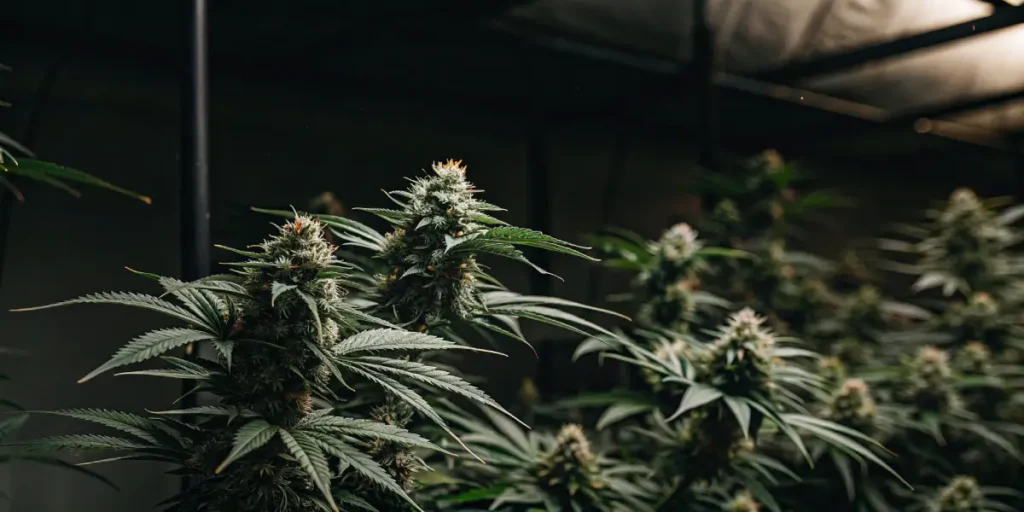
Plant Growth Regulators (PGRs) are chemicals used to alter the growth of plants. If you’re growing your own cannabis or vegetables, you might wonder about the presence of these residues in your plants. Can you detect PGR residues at home, and if so, how?
First-time cannabis seed buyers and seasoned growers both need to be aware of PGRs. These regulators can influence plant size, yield, and appearance. But they might not be desirable for those seeking organic or pure products. Luckily, there are ways to test for PGR residues at home.
Recommended Strains


Before diving into testing methods, it’s important to understand what PGRs do. They can be natural or synthetic and are used to control plant growth. Detecting these residues at home can help ensure your plants are free from unwanted chemicals.
How to Test PGR Residues at Home
Home testing for PGR residues can seem daunting, but it’s possible with the right tools. Simple DIY PGR residue detection methods can be employed with a bit of patience and precision. These methods can help you gain confidence in the purity of your produce.
Home kits for PGR residue testing are available and can be a great start. These kits usually come with instructions and the necessary chemicals to carry out simple tests. While they may not be as accurate as lab tests, they provide a good indication of PGR presence.
Knowing how to test PGR residues at home begins with selecting the right kit for your specific needs. It’s crucial to read reviews and select a reputable brand to ensure reliability. Additionally, supplementing kit results with visual inspections of plant growth can give a broader picture of PGR presence.
For those who prefer a more hands-on approach, DIY PGR residue detection methods can be an interesting alternative. These involve creating simple chemical reactions that can highlight the presence of PGRs. Such methods are cost-effective and allow for regular monitoring of your garden’s health.
Promos & Deals
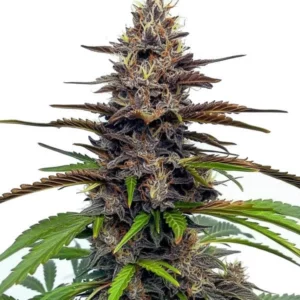
Detecting Plant Growth Regulators in Food
Detecting plant growth regulators in food can be crucial for health-conscious individuals. This is especially true for those growing their own vegetables and cannabis. PGRs can affect the quality and safety of your produce.
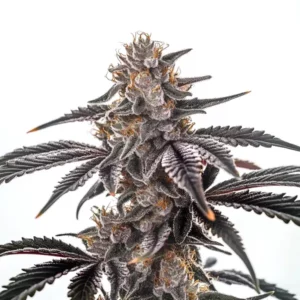
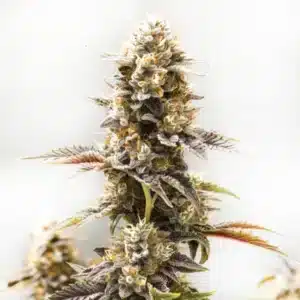
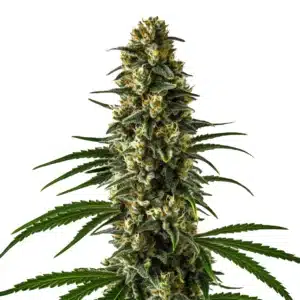
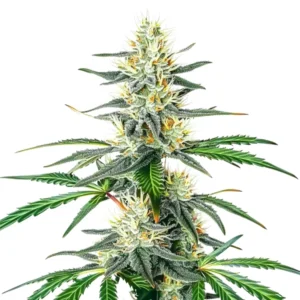
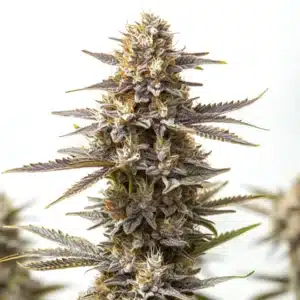
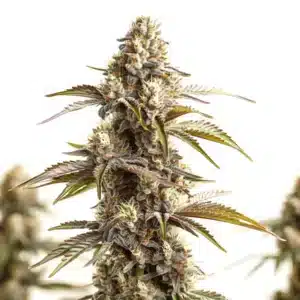
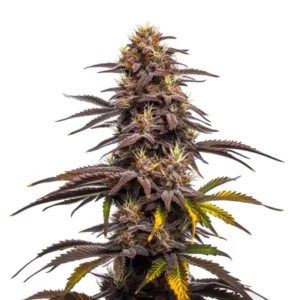
When it comes to cannabis, different strains might react differently to PGRs. For instance, strains like GG4, Blueberry, and Girl Scout Cookies from Blimburn Seeds are popular choices that growers might want to keep free of PGRs for an authentic experience.
Detecting plant growth regulators in food involves both chemical analysis and physical observation. Many growers start by examining their plants for unnatural growth patterns or discoloration, which can be early indicators of PGR usage. Such physical signs, combined with chemical tests, offer a comprehensive view of plant health.
Moreover, maintaining a log of your plant’s growth and any interventions can help in tracking the effectiveness of your PGR detection methods. Being vigilant and consistent with testing can prevent potential health risks associated with consuming PGR-affected produce.
DIY PGR Residue Detection Methods
DIY methods can answer the question can you detect PGR residues at home in a simple and effective way. One common technique involves using chemical tests that react with specific PGR compounds. These tests are usually color-based, making it easy to see results.
Another approach is to grow test samples of your plants and observe their growth patterns. Plants without PGRs typically have a more natural growth cycle. This method requires patience and attention to detail but can be quite revealing.
DIY PGR residue detection methods offer flexibility and control over your testing process. By customizing tests to suit your specific plant varieties, you can achieve more accurate results. This hands-on approach also empowers growers to understand their plants better.
Additionally, sharing results and techniques with a community of other growers provides valuable insights and new methods for testing. Engaging with forums and gardener groups can lead to discovering innovative solutions for managing PGR residues at home.
Identify PGR Residues in Vegetables at Home
Identifying PGR residues in vegetables at home is similar to testing cannabis. You can use home kits or DIY methods to get a sense of what’s in your food. The goal is to ensure that your vegetables are as organic and natural as possible.
Start by testing small samples from different parts of the plant. This can help identify localized concentrations of PGRs. Testing different sections increases the accuracy of your results.
To identify PGR residues in vegetables at home effectively, consider the plant’s entire lifecycle. Observe the plant’s response to environmental changes and nutrient inputs, as these can influence PGR uptake and manifestation.
Furthermore, maintaining a clean and controlled growing environment minimizes the risk of PGR contamination. Using organic soil and avoiding synthetic additives can enhance the natural quality of your vegetables, ensuring they remain free of harmful chemicals.
FAQs about can you detect PGR residues at home
What are Plant Growth Regulators (PGRs)?
PGRs are chemicals that influence the growth and development of plants. They can be natural hormones or synthetic compounds. In agriculture, they are used to control plant size, flowering, and fruiting.
While PGRs can increase yields, there are concerns about their safety and impact on plant quality. Many growers prefer to avoid synthetic PGRs to maintain the natural qualities of their crops.
Knowing the different types of PGRs can aid in choosing the right cultivation strategy. While natural PGRs might be acceptable, synthetic variants often raise red flags among organic growers. Educating oneself on their effects is crucial for informed decision-making.
Additionally, the legal landscape surrounding PGRs varies by region, affecting their use in commercial agriculture. Staying informed about local regulations can help gardeners align with best practices and ensure compliance.
Are home kits for PGR residue testing reliable?
Home kits for PGR residue testing provide a basic level of reliability. They can indicate the presence of PGRs but may not quantify them accurately. These kits are best for preliminary testing and should be used alongside other methods.
For precise results, professional lab testing is recommended. However, home kits offer a convenient and cost-effective way to monitor PGR levels in personal gardens.
When choosing home kits for PGR residue testing, it’s essential to select ones that are well-reviewed and suited to your plant type. Kits designed for leafy greens, for example, may differ from those intended for flowering plants or cannabis.
Combining home kit results with visual assessments and growth pattern monitoring enhances reliability. This multi-faceted approach helps ensure thorough detection of PGR residues in your produce.
Why is it important to detect PGR residues at home?
Detecting PGR residues at home is important for maintaining the health and quality of your plants. PGRs can alter the taste, smell, and growth of your produce, leading to unwanted changes.
By testing for PGRs, you can ensure that your plants are free from harmful chemicals, making them safer for consumption and use. This is particularly important for those seeking organic options.
Home detection of PGR residues empowers growers to take control of their food safety. It ensures transparency and trust in the quality of homegrown produce, aligning with personal health goals and environmental values.
Moreover, regular testing for PGRs can aid in identifying trends in plant health and growth, allowing for timely interventions and adjustments in cultivation practices to promote sustainable gardening.
Can cannabis strains from Blimburn Seeds be affected by PGRs?
Yes, cannabis strains from Blimburn Seeds, like any other, can be affected by PGRs. These chemicals can alter the natural growth patterns of the plant, affecting yield and quality.
Growers often choose specific strains like Purple Kush F1, Blueberry, and Girl Scout Cookies to enjoy their natural properties. Testing for PGRs ensures these strains retain their unique characteristics.
For those passionate about preserving the distinct qualities of Blimburn Seeds strains, regular monitoring for PGRs is crucial. This ensures that the plants develop as intended, offering an authentic experience in terms of flavor and effects.
Knowing the environmental conditions that support natural growth can also help in minimizing the impact of PGRs. Providing optimal light, nutrients, and care reduces the need for growth regulators, maintaining the strain’s integrity.
What are some natural alternatives to PGRs?
Natural alternatives to PGRs include organic fertilizers and plant care techniques. These methods enhance growth without synthetic chemicals. Companion planting and natural pest control are also effective strategies.
Many growers opt for organic soil amendments and compost to boost plant health naturally. These practices not only support healthy growth but also contribute to a sustainable gardening environment.
Incorporating permaculture principles and biodynamic farming practices can further reduce reliance on PGRs. These holistic approaches focus on creating a balanced ecosystem that naturally supports plant health and productivity.
Additionally, utilizing heirloom seeds and drought-resistant varieties can help maintain robust plant development without the need for external growth regulators. This approach fosters diversity and resilience in home gardens.