Best Terpenes for Anxiety: Calming Aromatic Compounds

Important context first: terpenes are not a proven treatment for anxiety, the idea that certain aromatic compounds promote calm comes from early research, aromatherapy tradition and anecdote, not from established medicine, so treat this as general information, not a remedy. With that said, the terpenes people most often associate with calm, relaxation and easing anxiety are linalool (the lavender terpene, the classic ‘calming’ one), beta-caryophyllene (peppery; interacts with CB2 receptors and is studied for stress), myrcene (earthy, relaxing, sedating at higher levels), and limonene (citrus, mood-lifting). For sleep, linalool and myrcene come up most.
A key caveat: in cannabis, terpenes work alongside cannabinoids, and high-THC products can actually worsen anxiety for some people, so many who seek calm prefer CBD-rich or balanced strains with these terpenes rather than heavy THC. ‘Energizing’ terpenes like some forms of pinene/terpinolene may feel less calming (the ‘worst for anxiety’ some search for).
Recommended Strains

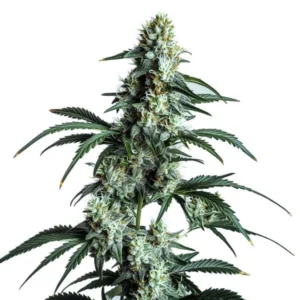
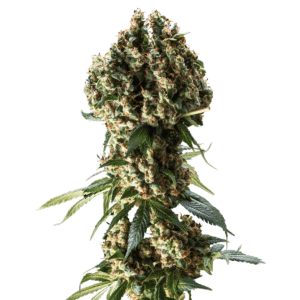
Harlequin

|
CBD | 6% – 8.5% (Low) |

|
Type | CBD Feminized |

|
Yield | High |

|
Phenotype | 25% Indica / 75% Sativa |
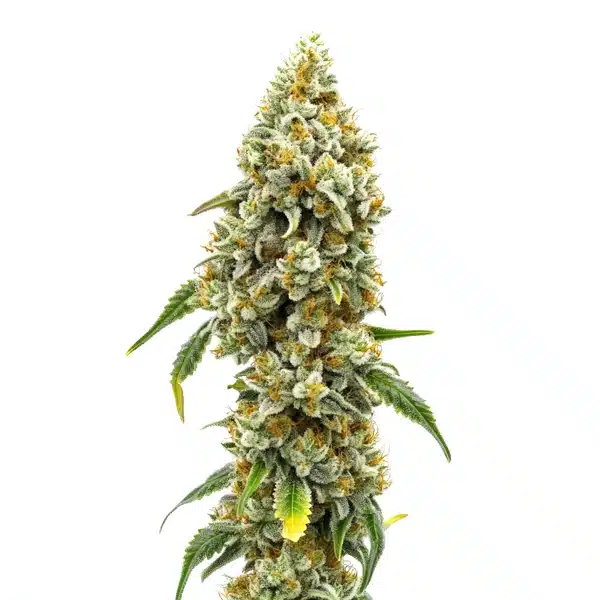
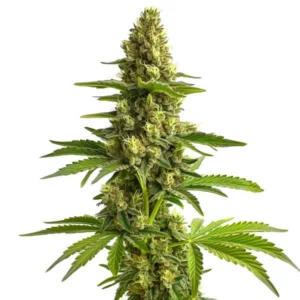
Harlequin CBD (1:18)
|
|
CBD | 12% – 14% (Medium) |
|
|
Type | CBD Feminized |
|
|
Yield | High |
|
|
Phenotype | 55% Indica / 45% Sativa |
Below: the calming terpenes, what research suggests, the THC caveat, and how to choose, honestly. (Not medical advice.)
Calming Terpenes (and What to Avoid)
Commonly discussed for relaxation, not proven treatments:
| Terpene | Aroma | Reported association |
|---|---|---|
| Linalool | Floral, lavender | Calm, relaxation, sleep |
| Beta-caryophyllene | Peppery, spicy | Stress relief (CB2 interaction) |
| Myrcene | Earthy, musky | Relaxing, sedating at higher levels |
| Limonene | Citrus | Mood lift, anti-stress |
| Terpinolene / some pinene | Fruity / pine | More energizing, may feel less calming |
Reported associations are anecdotal/early research, not proven. Not medical advice.
Promos & Deals

What’s Actually Known
Let’s be clear and responsible, this is a health-adjacent topic. Terpenes are the aromatic compounds in cannabis and many plants, and there’s genuine scientific interest in whether some influence mood and stress (partly via the ‘entourage effect’ with cannabinoids, and partly the way aromatherapy scents can affect how we feel). Linalool (also in lavender) is the most-cited ‘calming’ terpene, long used in aromatherapy for relaxation; beta-caryophyllene is unusual in that it interacts with the body’s CB2 receptors and is studied for stress and mood; myrcene is associated with relaxing, sedating effects; and limonene with mood elevation.
But, and this matters, most evidence is preliminary, from lab/animal studies or tradition, not robust human trials showing terpenes treat anxiety. So these are reasonable associations to be curious about, not proven remedies. Anyone dealing with real anxiety should treat it as a medical matter and seek professional help, rather than relying on terpenes. Enjoy terpene-rich strains for their aroma and the calm they may contribute, but keep expectations grounded in what’s actually established, which is still limited.
The THC Caveat (Important)
Here’s a crucial nuance often missed in ‘best terpenes for anxiety’ lists: in cannabis, terpenes never act alone, they come with cannabinoids, and THC can cut both ways for anxiety. At lower doses some find it relaxing, but higher-THC doses can trigger or worsen anxiety and paranoia in many people. So a very potent, high-THC strain, even one rich in ‘calming’ terpenes, may not feel calming at all. That’s why people seeking relaxation often do better with CBD-rich or balanced (lower-THC) strains that also feature linalool, caryophyllene or myrcene, pairing calmer cannabinoid content with the soothing terpene profile.
When choosing, look at the whole profile (cannabinoids and terpenes together), not terpenes alone, and favour products with lab-tested terpene information. Some people also specifically avoid energizing, racy terpene/strain profiles (the ‘worst terpenes for anxiety’ some search for) that can feel stimulating. If you grow or buy, check each strain’s terpene profile, our guides to the terpene wheel and aromatic strains by terpene help, and remember effects vary by person. Start low, especially with THC.
Using Terpenes for Calm, Responsibly
If you want to explore terpenes for relaxation, do it sensibly. Choose by the whole profile: look for strains (or products) featuring linalool, caryophyllene, myrcene or limonene, ideally in CBD-rich or balanced, lower-THC formats if anxiety is your concern. Start low and go slow, especially with any THC, since too much can backfire into anxiety; you can always have more. Mind the setting, a calm environment amplifies any relaxing effect, and anxiety is strongly influenced by mindset and context, not just chemistry. Preserve the terpenes by storing flower cool, dark and airtight (a bad cure or old flower loses the very compounds you want). And crucially, keep expectations realistic and safety first: terpenes may contribute a pleasant, calming character, but they are not a treatment for an anxiety disorder.
If anxiety is frequent, severe or affecting your life, please speak to a doctor or mental-health professional, cannabis and terpenes are not a substitute for proper care, and for some people cannabis worsens anxiety. Used with that honesty, enjoying calming, aromatic strains can be a pleasant part of relaxing, within realistic limits. This is general information, not medical advice.

FAQs
Which terpenes are calming?
The ones people most associate with calm are linalool (lavender), beta-caryophyllene (peppery), myrcene (earthy, sedating) and limonene (citrus, mood-lifting). These associations come from early research, aromatherapy and anecdote, not proven treatment. In cannabis they work with cannabinoids, and high-THC can worsen anxiety, so many prefer CBD-rich or balanced strains with these terpenes. Not medical advice.
Do terpenes treat anxiety?
They’re not a proven treatment. There’s scientific interest and aromatherapy tradition suggesting some terpenes (like linalool and caryophyllene) may promote calm, but the evidence is preliminary, not robust human trials. So treat them as a possible pleasant contribution, not a remedy. Real anxiety deserves professional care, cannabis and terpenes aren’t a substitute. This is general information, not medical advice.
Is THC good for anxiety?
It cuts both ways. Lower doses relax some people, but higher-THC doses can trigger or worsen anxiety and paranoia in many. So even a strain rich in ‘calming’ terpenes may not feel calming if it’s very high in THC. People seeking relaxation often prefer CBD-rich or balanced, lower-THC strains with soothing terpenes. Start low, and consult a professional for anxiety.
Which terpenes feel less calming?
Energizing, ‘racy’ profiles, often more terpinolene or certain pinene-forward, uplifting strains, can feel stimulating rather than calming, which is why some people searching ‘worst terpenes for anxiety’ steer away from them. Responses vary by person, though, so it’s individual. If calm is your goal, favour linalool/caryophyllene/myrcene-rich, lower-THC options and start low. This isn’t medical advice.