Best Fertilizer for Outdoor Cannabis Growth

Best fertilizer for weed outdoor: The best fertilizer for weed outdoor is a balanced blend of macro and micro nutrients tailored to each growth stage. Liquid fertilizers act quickly, while solid ones provide slow-release benefits over 30 days. Adjusting nutrient ratios—N:P:K 3:1:2 for vegetative and 1:3:2 for flowering, ensures optimal growth. Regular pH checks (6.5 for soil) maximize nutrient absorption.
Choosing the right fertilizer for your outdoor cannabis garden is crucial for maximizing yield and potency. Outdoor cannabis thrives on a diet rich in nitrogen during the vegetative stage and phosphorus and potassium during flowering. Both organic and synthetic fertilizers offer unique benefits, and the choice depends on your cultivation goals and environmental conditions.
Recommended Strains

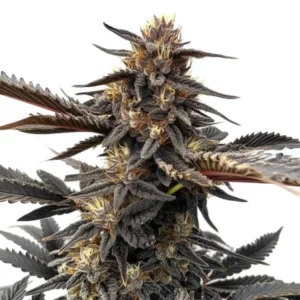
Animal Mints

|
THC | 22% - 24% (High) |

|
Type | Feminized |

|
Yield | Low |

|
Phenotype | 60% Indica / 40% Sativa |
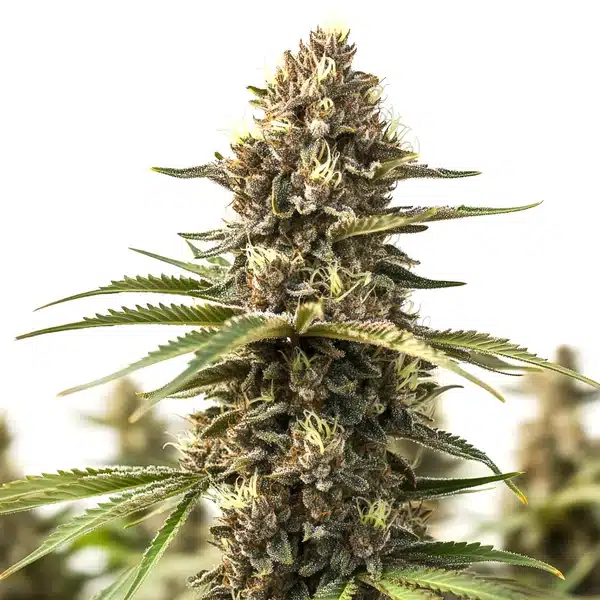
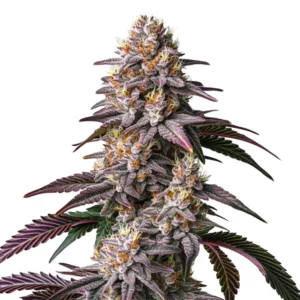
Animal Cookies
|
|
THC | 22% - 27% (High) |
|
|
Type | Feminized |
|
|
Yield | High |
|
|
Phenotype | 50% Indica / 50% Sativa |
Fertilizer Types and Their Impact
Liquid vs. Solid Fertilizers
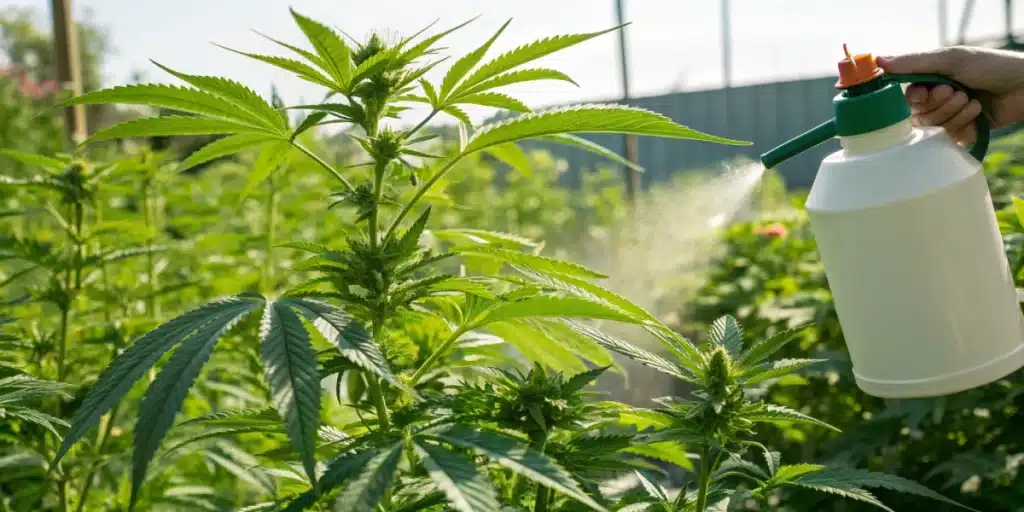
Liquid fertilizers are designed for quick absorption, mixed with water, and applied directly to the soil or foliage. This rapid uptake is ideal for addressing immediate nutrient deficiencies. Solid fertilizers, on the other hand, are mixed into the soil at the beginning of the growth cycle. They release nutrients slowly, over approximately 30 days, enriching the soil without the risk of over-fertilization.
Liquid fertilizers are often preferred for their immediate results, especially when plants show signs of nutrient deficiency. However, solid fertilizers are beneficial for long-term soil health, providing a steady nutrient supply. For cannabis, a combination of both types can be optimal, using liquid feeds for quick fixes and solid fertilizers for sustained growth.
Incorporating both types ensures that the plants receive a balanced nutrient supply. Liquid fertilizers can be used to address specific deficiencies, while solid fertilizers maintain consistent nutrient levels. This dual approach supports robust plant growth and maximizes yield potential.
Organic vs. Synthetic Fertilizers
Organic fertilizers, derived from natural sources like compost and manure, improve soil structure and microbial activity. They release nutrients slowly, reducing the risk of nutrient burn. Synthetic fertilizers, however, offer precise nutrient ratios and faster availability, allowing for targeted feeding strategies. Both have their place in cannabis cultivation, depending on your goals.
Organic options are excellent for building long-term soil fertility, while synthetic fertilizers provide control and immediate results. The best approach often involves integrating both, using organic fertilizers for soil health and synthetic ones for specific nutrient needs during critical growth phases.
For the best results, consider the environmental impact and sustainability of your fertilizer choice. Organic fertilizers enhance soil health and biodiversity, while synthetic options offer precision. Balancing these factors can lead to a more sustainable and productive cannabis garden.
Promos & Deals
Essential Nutrients for Cannabis
Macro and Micro Nutrients
Cannabis plants require a balance of macro nutrients—nitrogen (N), phosphorus (P), and potassium (K)—for healthy growth. During the vegetative stage, a higher nitrogen ratio (N:P:K 3:1:2) promotes leaf and stem development. In flowering, reduce nitrogen and increase phosphorus and potassium (N:P:K 1:3:2) to support bud formation.
Micro nutrients like calcium, magnesium, and iron are also vital. These elements support enzyme functions and chlorophyll production. For instance, calcium strengthens cell walls, while magnesium is crucial for photosynthesis. Ensuring these nutrients are available in the right amounts prevents deficiencies that can stunt growth and reduce yield.
Understanding the role of each nutrient helps in diagnosing deficiencies. For example, magnesium deficiency can lead to interveinal chlorosis, while iron deficiency often causes yellowing of young leaves. Addressing these issues promptly ensures healthy plant development and maximizes yield potential.
Nutrient Mobility and Deficiency Signs
Nutrient mobility affects how deficiencies manifest. Mobile nutrients like nitrogen move from older to newer leaves, showing yellowing in lower leaves first. Immobile nutrients, such as calcium, show deficiencies in new growth. Monitoring leaf color and growth patterns helps diagnose and correct nutrient issues promptly.
Maintaining a soil pH of 6.5 is critical for nutrient uptake. Deviations can lock out nutrients, rendering fertilization ineffective. Regular testing and adjustments ensure optimal absorption and prevent common issues like nutrient lockout, which can severely impact plant health and yield.
Regular soil testing is essential to monitor pH and nutrient levels. This allows for timely adjustments and prevents issues like nutrient lockout. By maintaining optimal soil conditions, you can ensure efficient nutrient uptake and robust plant health.
| Feature | Orange Kush | Black Domina | 24k Gold Regular |
|---|---|---|---|
| THC Content | 20-22% | 18-20% | 22-24% |
| Flowering Time | 8-9 weeks | 7-8 weeks | 9-10 weeks |
| Yield (outdoor) | 21-25 oz/plant | 18-22 oz/plant | 20-24 oz/plant |
| Dominant Terpene | Myrcene | Caryophyllene | Limonene |
| Resistance to Mold | High | Medium | High |
Professional Tips for Outdoor Cannabis Fertilization
- Maintain soil pH at 6.5. Deviations can cause nutrient lockout, hindering absorption and plant growth.
- Use N:P:K 3:1:2 during vegetative growth for robust leaf and stem development.
- Switch to N:P:K 1:3:2 in flowering to enhance bud production and resin development.
- Incorporate calcium and magnesium supplements to prevent deficiencies that affect chlorophyll production.
- Apply liquid fertilizers for quick nutrient fixes; use solid fertilizers for sustained soil enrichment.
- Regularly test soil nutrient levels and adjust fertilization strategies accordingly to prevent over-fertilization.

FAQs about Best Fertilizer for Weed Outdoor
How to fatten buds outdoors?
Fatten buds by increasing phosphorus and potassium during the flowering stage, using a 1:3:2 N:P:K ratio. Ensure adequate light exposure and maintain a stable environment. Regular pruning and training techniques can also enhance bud size and density, maximizing your outdoor cannabis yield.
What is the best feed for growing weed?
The best feed for growing weed includes a balanced mix of macro and micro nutrients. During vegetative growth, a higher nitrogen content is crucial. Transition to higher phosphorus and potassium levels in flowering. Ensure the feed matches the plant’s growth stage and environmental conditions for optimal results.
Is it best to use liquid or powder fertilizer for weed outdoors?
Both liquid and powder fertilizers have benefits. Liquid fertilizers provide immediate nutrient availability, ideal for quick fixes. Powder fertilizers offer slow-release benefits, enriching the soil over time. The choice depends on your specific needs and growth stage, with a combination often yielding the best results.
What are the signs of nutrient deficiency in cannabis?
Nutrient deficiencies manifest as yellowing leaves, stunted growth, or discolored spots. Nitrogen deficiency shows in lower leaves first, while calcium deficiency affects new growth. Regular monitoring and soil testing help identify and correct deficiencies, ensuring healthy cannabis development.
How often should I fertilize outdoor cannabis plants?
Fertilize outdoor cannabis plants every 2-4 weeks, adjusting based on growth stage and environmental conditions. Regular soil testing guides frequency and dosage adjustments. Over-fertilization can cause nutrient burn, so it’s crucial to monitor plant response and adjust as needed for optimal growth.