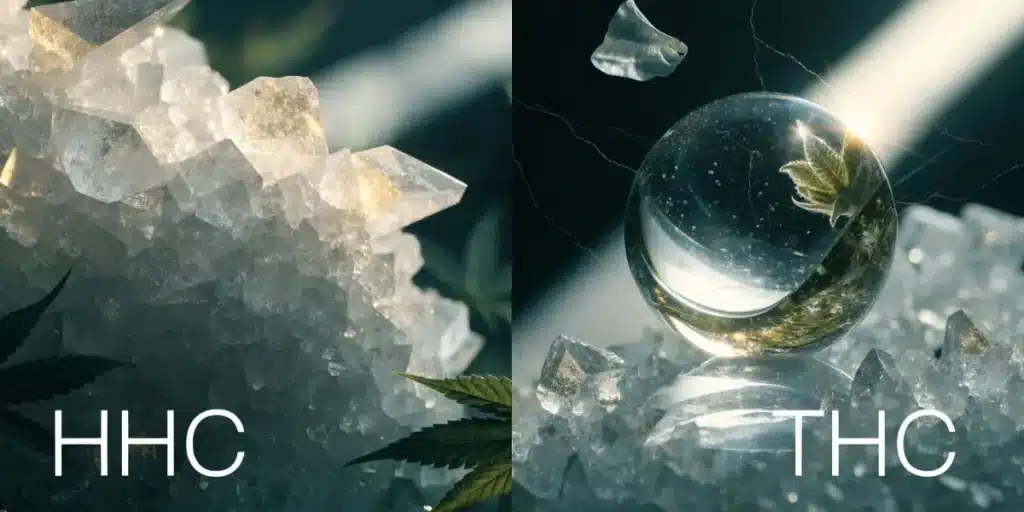
HHC vs THC

Quick answer: THC is the well-known cannabinoid behind cannabis’s classic high; HHC is a hydrogenated relative, usually described as milder and longer-lasting, that often sits in a legal grey area. THC is more researched and generally more potent, while HHC is newer and less studied. Below we compare their chemistry, effects, potency, legality and safety. This is general information, not medical or legal advice.
What Is HHC?
Hexahydrocannabinol (HHC) is a lesser-known cannabinoid first synthesized in the 1940s. It is made by hydrogenating THC, which alters its structure (similar in principle to how vegetable oil becomes margarine) and makes it more stable. Because of that different structure and production route, HHC often falls into a legal grey area and is more accessible than THC in some regions. Legal status varies widely, so check local rules.
Recommended Strains

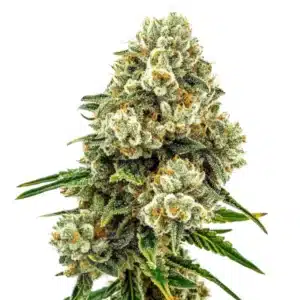
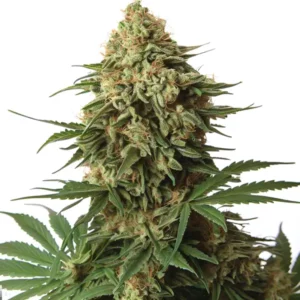
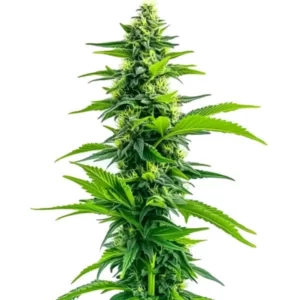
Future #1

|
THC | 30% - 37% (High) |

|
Type | Feminized |

|
Yield | High |

|
Phenotype | 50% Indica / 50% Sativa |

Future #1 HMC Edition
|
|
THC | 30% - 37% (High) |
|
|
Type | Feminized |
|
|
Yield | High |
|
|
Phenotype | 50% Indica / 50% Sativa |
Promos & Deals
What Is THC?
Tetrahydrocannabinol (THC) is the most well-known cannabinoid and the one responsible for the classic cannabis high. It exists in several forms, including the potent THC-O and the newer, less-researched THC-P. THC’s legal status ranges from fully illegal to medically or recreationally legal depending on the country or state, a key factor in any HHC vs THC comparison.
Chemistry: How They Differ
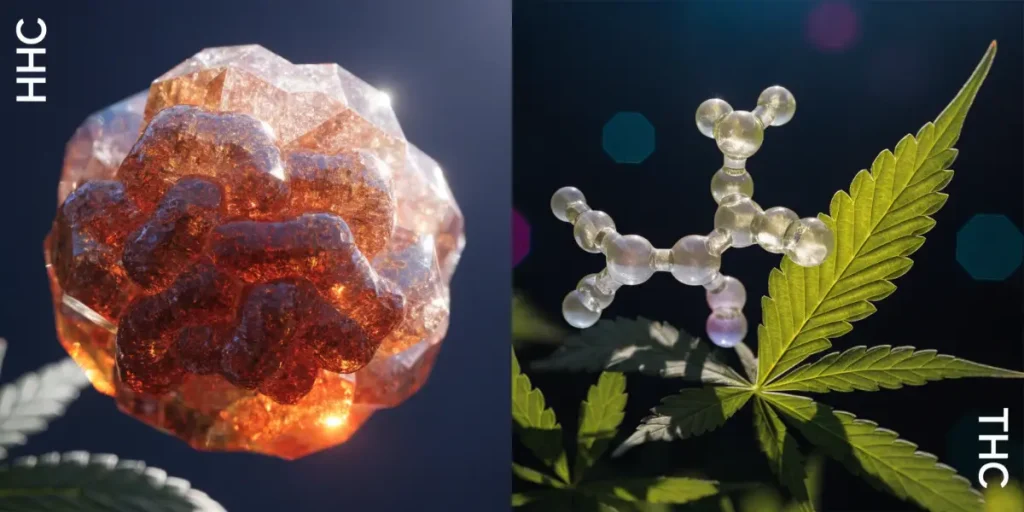
HHC and THC have similar but distinct molecular structures, and those small differences change how each interacts with the body’s endocannabinoid system. THC binds directly to the CB1 and CB2 receptors, which tends to produce stronger psychoactive effects. HHC’s interaction is less understood and generally described as milder, while its hydrogenated structure makes it more stable and resistant to oxidation, which may extend shelf life.
Reported Effects
THC’s effects are well documented, from euphoria and relaxation to, in some people, anxiety or paranoia. HHC is often described as more subdued. Both can alter perception and appetite. THC has a longer history of use for conditions like chronic pain and nausea, while HHC’s potential is far less studied. Both carry risks, especially at high doses. Reported effects vary widely. This is not medical advice.
Potency and Duration
THC is generally considered more potent because it binds directly and actively with endocannabinoid receptors. HHC is usually perceived as less potent, though individual chemistry varies, and some users report that HHC’s effects last longer. Neither claim is firmly established by research, so treat potency comparisons as general rather than precise.
Recreational Use
Recreationally, THC remains the favorite for its potency and euphoric effects, while HHC is emerging as an alternative for people who want a milder or simply different experience.
Wellness Interest
THC has a long history of use for various conditions, while HHC is far less studied and its potential remains speculative. Any therapeutic use of either should be discussed with a healthcare professional. This is not medical advice.
HHC vs THC-O
THC-O is known to be significantly more potent than standard THC, so compared with it HHC is much milder. The choice comes down to the experience you want: THC-O for stronger, more psychoactive effects, HHC for something gentler. Note that highly potent, lab-made cannabinoids carry added safety uncertainty.
HHC vs THC-P
THC-P is a newer, less-researched variant known for exceptionally high potency. Against it, HHC is a softer, more accessible option for many users. Because THC-P is so strong and so little studied, caution is especially warranted. This is not medical advice.
Strains Associated With High-Potency Extraction
HHC is produced from THC, so it is not grown directly; instead, high-THC, terpene-rich strains are used as the raw material for extraction and conversion. Growers interested in this supply chain look for robust genetics with strong cannabinoid content. The examples below are high-THC varieties sometimes cited in this context.
High-THC Strains Often Cited
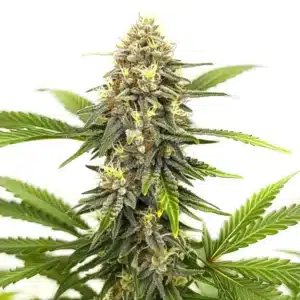
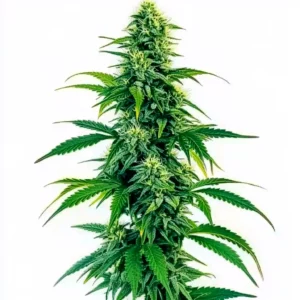
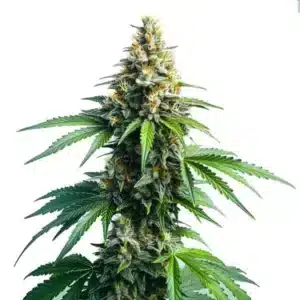
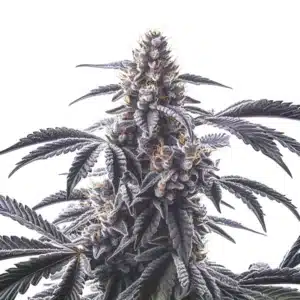
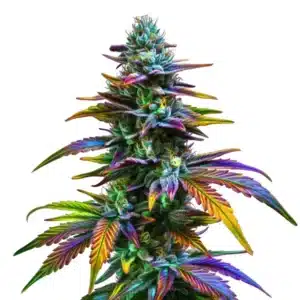
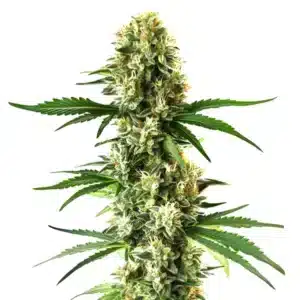
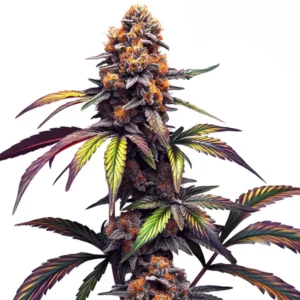
Examples include Future #1, a balanced hybrid from Blimburn Seeds with a citrus-pine aroma; Hippo High, noted for very high THC and creatively stimulating yet relaxing effects; and Bubble Gum Sherb, a sweet, fruity hybrid. These are high-THC varieties; any specific potency figures depend on the grow and lab testing.
Legal Status: A Moving Target
THC is regulated worldwide, from fully illegal to medically or recreationally legal. HHC, due to its different structure and production, often sits in a legal grey area and is more accessible in some places, but this is changing as regulators catch up. Laws vary by location and shift over time, so always verify your local rules. This is not legal advice.
Safety Considerations
With any cannabinoid, dosing depends on tolerance, product potency and the individual, and HHC’s limited research means extra caution is sensible, especially since product quality and labeling vary. THC can cause dry mouth, red eyes and, in some cases, anxiety or paranoia; HHC’s side effects are less documented but thought to be milder. Start low, buy from reputable, tested sources, and consult a professional. This is not medical advice.
Market and Education
As consumers learn about different cannabinoids, demand for options like HHC grows, influencing cultivation and extraction trends. With that comes a real need for clear, accurate education on the differences, effects and legal status of these compounds, plus advocacy for more research so products become safer and better regulated.
The Bottom Line
The HHC vs THC question goes beyond potency and legality to subtle differences in effect and experience. THC is well established, potent and researched; HHC is a milder, less-studied alternative in a shifting legal landscape. As research and regulation evolve, make informed choices based on your needs, local law and professional guidance. This is general information, not medical or legal advice.
| Aspect | THC | HHC |
|---|---|---|
| Potency | Higher; binds CB1/CB2 directly | Usually milder |
| Duration | Standard | Often reported longer |
| Research | Well studied | Limited |
| Legal status | Varies; often regulated | Often a grey area |
| Stability | Oxidizes over time | More stable (hydrogenated) |
| Source | Natural in cannabis | Made by hydrogenating THC |
FAQs
Is HHC stronger than THC?
Generally no. THC is usually considered more potent because it binds directly with the body’s cannabinoid receptors, while HHC is typically described as milder, though some users report it lasts longer. Individual responses vary, and research on HHC is limited. This is not medical advice.
Is HHC legal?
It depends on where you are. HHC often sits in a legal grey area because of its different structure and production, making it more accessible than THC in some regions, but rules vary and are changing. Always check your local laws. This is general information, not legal advice.
Does HHC show up on a drug test?
It may. Some evidence suggests HHC or its metabolites could trigger a positive on standard THC drug tests, though data is limited. If testing is a concern, it is safest to assume it could show up. This is general information, not medical or legal advice.