Are Refractometers Accurate for Measuring Cannabis Sugar? Expert Insights

Many cannabis growers are curious about the accuracy of refractometers for measuring cannabis sugar content. When it comes to optimizing the growth and potency of cannabis plants, knowing sugar levels can be crucial. A common question is are refractometers accurate for measuring cannabis sugar content, and the answer depends on proper usage, calibration, and how the data is interpreted. Let’s explore this topic through expert insights and practical examples.
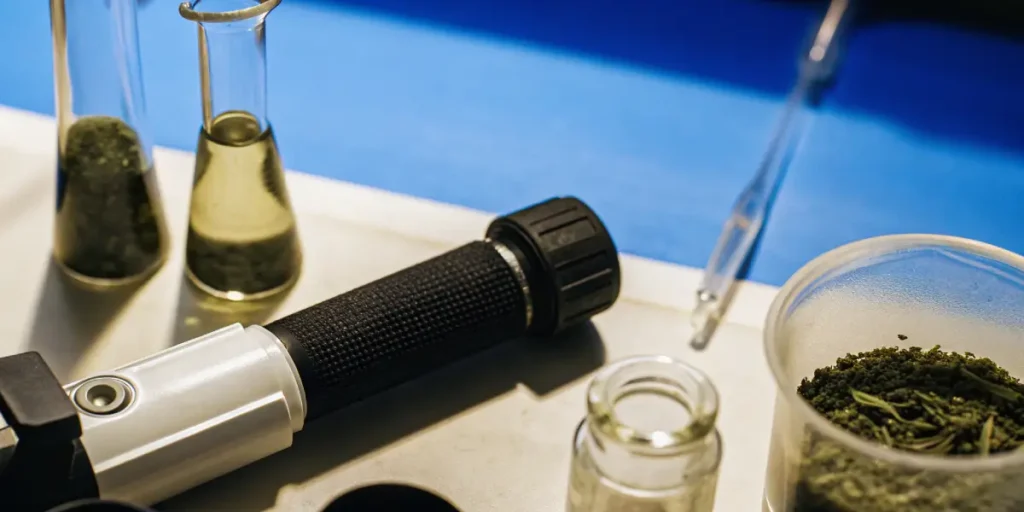
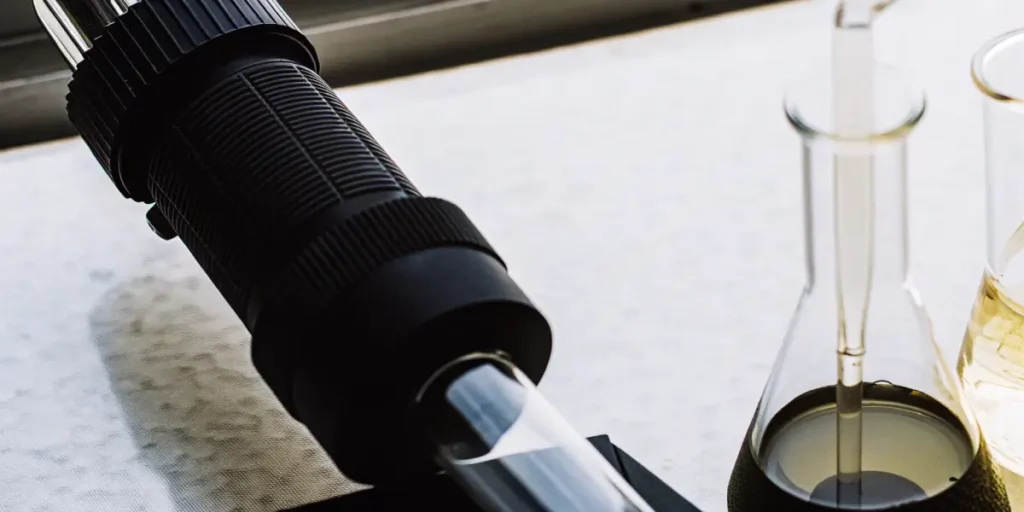
Refractometers are tools that measure the refraction of light in a liquid. This principle applies to various industries, including winemaking and brewing. For cannabis, it involves measuring the sugar content within the plant’s sap. The accuracy of refractometers for cannabis sugar measurement can vary based on several factors, and knowing these can help growers make informed decisions.
Recommended Strains
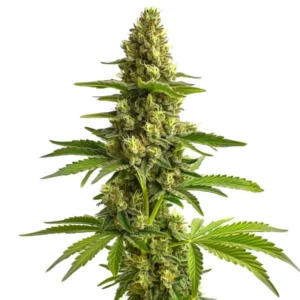
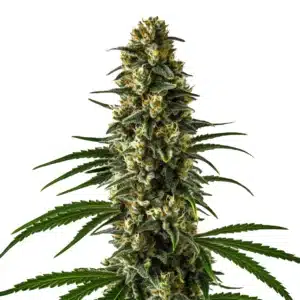
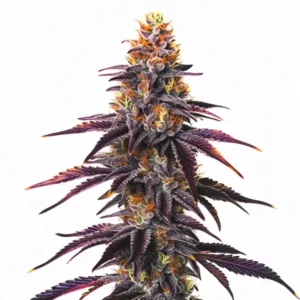
Bruce Banner #3

|
THC | 20% - 29% (High) |

|
Type | Feminized |

|
Yield | Medium |

|
Phenotype | 50% Indica / 50% Sativa |

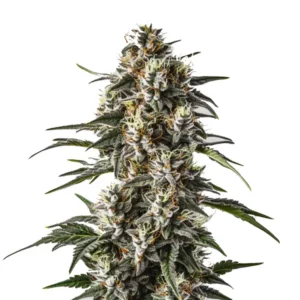
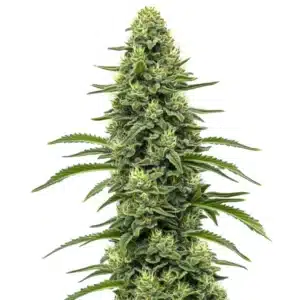
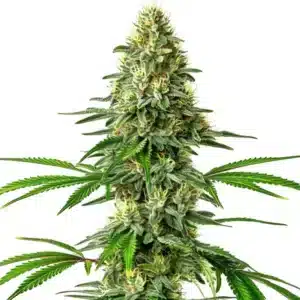
GG4
|
|
THC | 27% (High) |
|
|
Type | Feminized |
|
|
Yield | High |
|
|
Phenotype | 40% Indica / 60% Sativa |
One practical example is the use of refractometers in evaluating the sugar content of cannabis strains like Bruce Banner 3 from Blimburn Seeds. This strain is known for its potency and high sugar content, making it an ideal candidate for refractometer testing. By measuring sugar levels, growers can determine the best harvest time for maximum yield.
How Refractometers Work and Their Role in Cannabis Cultivation
Refractometers work by shining a light through a liquid sample and measuring how much the light bends, or refracts. This bending is related to the concentration of dissolved substances, like sugars. When used in cannabis cultivation, refractometers can offer insights into the plant’s health and potential yield.
For growers, knowing the refractometer cannabis sugar content precision is vital for making informed cultivation decisions. The effectiveness of refractometers in cannabis sugar analysis not only assists in monitoring plant health but also in predicting the plant’s ability to produce high levels of cannabinoids. For many cultivators wondering are refractometers accurate for measuring cannabis sugar content, the strong correlation between sugar levels and plant vigor confirms that refractometers are a valuable tool in the grower’s arsenal.
In cannabis, sugar levels often correlate with the plant’s energy reserves. High sugar content can indicate a healthy plant with strong potential for robust growth and high cannabinoid production. For strains like GG #4 from Blimburn Seeds, which is prized for its heavy resin production, knowing sugar levels can help growers optimize conditions for maximum output.
- Refractometers are easy to use and relatively inexpensive.
- They provide quick results, allowing for timely decision-making.
- They are portable, making them convenient for use in different grow environments.
The accuracy of refractometers for cannabis sugar measurement is also dependent on the user’s experience and knowing of the device. Proper training and practice in using refractometers can significantly enhance the reliability of the readings, ensuring that growers are making decisions based on accurate data. This is particularly important for those looking to maximize their crop’s quality and yield.
Factors Affecting the Accuracy of Refractometers in Cannabis Sugar Measurement
The accuracy of refractometers for cannabis sugar content precision can be influenced by several factors. One major factor is the quality of the refractometer itself. When asking are refractometers accurate for measuring cannabis sugar content, the answer often depends on device quality, calibration, and proper usage, as higher-quality models tend to deliver more reliable measurements while cheaper options may show inconsistencies.
Environmental conditions can also affect readings. Temperature, in particular, plays a significant role. Most refractometers are calibrated to a standard temperature, usually 68°F (20°C). Deviations from this temperature can lead to inaccurate readings, so it’s essential to adjust readings based on current environmental conditions.
Sample purity is another critical factor. If the cannabis sap sample is contaminated or contains impurities, the refractometer reading may not accurately reflect the true sugar content. Ensuring that samples are pure and properly prepared is crucial for reliable results.
Another factor that impacts the effectiveness of refractometers in cannabis sugar analysis is the consistency in sampling techniques. Consistent sampling from the same plant parts and at the same time of day helps in reducing variability in readings, thereby increasing the reliability of the data collected. This practice is crucial for maintaining a standard in sugar content testing.
Promos & Deals

Comparing Refractometers to Other Methods of Cannabis Sugar Testing
While refractometers are popular for their ease of use and affordability, they are not the only method for measuring cannabis sugars. Other techniques include chromatography and spectrometry, which can provide detailed analyses but are often more complex and expensive.
For many growers, the effectiveness of refractometers in cannabis sugar analysis makes them an attractive option. They offer a balance between cost, ease of use, and reliability. However, for those seeking the most precise measurements, especially in commercial operations, investing in more advanced equipment might be worthwhile.
- Chromatography provides detailed breakdowns of sugar profiles but is costlier.
- Spectrometry offers high precision but requires specialized knowledge.
- Refractometers are often sufficient for small to medium-scale operations.
Chromatography and spectrometry, while offering detailed insights into sugar composition, involve more time-consuming processes and require specialized equipment and training. In contrast, refractometers provide a more user-friendly approach, delivering immediate results that can be crucial for making timely cultivation decisions. This makes cannabis sugar content testing using refractometers a preferred choice for many growers.
The choice of method often depends on the scale of the operation and the level of detail required in the analysis. For those in commercial cannabis cultivation, employing a combination of refractometer readings and other sophisticated techniques might offer a comprehensive knowing of the plant’s sugar content and its implications for crop management.
Practical Tips for Using Refractometers in Cannabis Cultivation
To maximize the reliability of refractometers, growers should follow some best practices. Calibration is key. Regularly calibrating the device ensures that readings remain accurate over time. This involves using a calibration solution or distilled water to set a baseline.
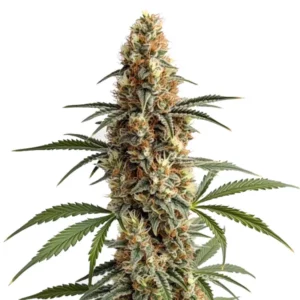
When using a refractometer on strains like Girl Scout Cookies from Blimburn Seeds, consistency is important. Take samples from the same part of the plant at the same time of day to maintain uniformity. This practice helps in tracking sugar content changes accurately over the growing cycle.
Another tip is to use refractometers as part of a broader toolkit. While they provide valuable insights, combining refractometer data with other observations, such as plant health and environmental conditions, helps create a comprehensive picture of the plant’s status.
Ensuring that the refractometer is clean and free from any residue from previous samples is also crucial. Any contamination can lead to skewed results, affecting the accuracy of the refractometer readings. Regular maintenance and cleaning of the device are essential for long-term reliability.
FAQs about are refractometers accurate for measuring cannabis sugar content
How do refractometers compare to other sugar measurement tools?
Refractometers are popular for their ease of use and affordability. They provide quick insights into sugar content, which is crucial for timely decision-making in cannabis cultivation. In comparison, other tools like chromatography offer more detailed sugar profiles but at a higher cost and complexity.
Many growers find that refractometers strike a good balance between cost and functionality, especially for small to medium-scale operations. However, for precision-focused tasks, especially in commercial settings, investing in advanced methods can be beneficial.
In terms of measuring cannabis sugars with refractometer reliability, refractometers offer a straightforward approach, allowing growers to quickly assess sugar content and make informed decisions. For those seeking more detailed analyses, integrating refractometer use with other technologies can provide a more complete knowing of the plant’s sugar profile.
What are the limitations of using refractometers for cannabis?
One limitation is the dependency on temperature. Refractometer readings can be affected by changes in temperature, so it’s important to adjust or calibrate accordingly. Additionally, sample purity is crucial, as impurities can skew results.
While refractometers are effective for general sugar content analysis, they may not provide the detailed breakdowns that other methods offer. For growers needing in-depth data, combining refractometer use with other testing methods may be necessary.
Another limitation is the potential for human error in both sampling and reading the refractometer. Ensuring that all procedures are followed correctly can help mitigate this risk. Despite these limitations, the question remains: are refractometers accurate for measuring cannabis sugar content? The answer largely depends on adherence to best practices and knowing the limitations of the tool.
Can refractometer readings influence harvest decisions?
Yes, refractometer readings can significantly influence harvest decisions. By knowing the sugar content, growers can determine the optimal time to harvest for desired potency and yield. This is particularly useful for high-sugar strains like GG #4.
Using refractometer data alongside other indicators like trichome development and overall plant health provides a comprehensive approach to decision-making, ensuring that plants are harvested at their peak.
The timing of harvest is crucial in preserving the quality of the cannabinoids and terpenes. Refractometers provide a quick and effective method to gauge the readiness of the plant, allowing growers to take advantage of the peak sugar content. This can be particularly beneficial in maximizing the potential return on investment for premium cannabis strains.
Are there specific cannabis strains that benefit most from sugar content testing?
Strains with high sugar content, such as Bruce Banner and Girl Scout Cookies, can particularly benefit from sugar content testing. These strains are known for their potency and resin production, where sugar levels play a significant role.
Testing sugar content helps optimize growth conditions and harvest timing, maximizing both yield and quality. This makes refractometers a valuable tool for growers focusing on these high-value strains.
Cannabis sugar content testing using refractometers is crucial for strains that are bred for high potency and resin content. By closely monitoring sugar levels, growers can adjust their cultivation techniques to enhance these desired traits, ensuring that the final product meets quality expectations.
What are the best practices for using refractometers in cannabis growing?
Regular calibration is essential to maintain accuracy. Use distilled water or a calibration solution to keep the device in check. Consistent sampling methods also ensure reliable data, particularly when testing the same strain over time.
Incorporating refractometer data with other observations, such as environmental conditions and plant health, provides a more holistic view. This approach helps growers make informed decisions, improving both the quality and quantity of the harvest.
Consistency in technique and timing when using refractometers can lead to more reliable data, which is invaluable for tracking growth patterns and making adjustments as needed. This ensures that growers can respond proactively to changes, optimizing their operations for the best possible outcomes.
Another best practice is documenting refractometer readings over time. By keeping detailed records, growers can identify trends and make data-driven decisions that enhance the performance of their cannabis crops. This systematic approach to cultivation can lead to improved harvests and higher quality products.