Amazing CBN Formation from THC Degradation: Expert Insights

The transformation of THC into CBN can be a fascinating journey for both novice and veteran cannabis enthusiasts. CBN formation from THC degradation occurs when THC breaks down over time, converting into CBN, a cannabinoid gaining recognition for its unique properties. This natural process can enhance the overall cannabis experience, offering benefits distinct from THC’s well-known effects.
During the degradation process, THC molecules lose their potency and stability, gradually converting into CBN. This transformation doesn’t happen overnight. It requires specific conditions to facilitate the change. Knowing this process can enrich your appreciation and utilization of cannabis products.
Recommended Strains
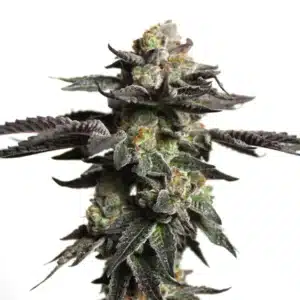
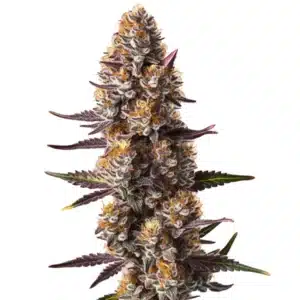
Zombie Death Fuck

|
THC | 23% (Medium) |

|
Type | Feminized |

|
Yield | Medium |

|
Phenotype | 50% Indica / 50% Sativa |
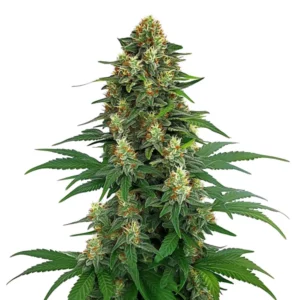
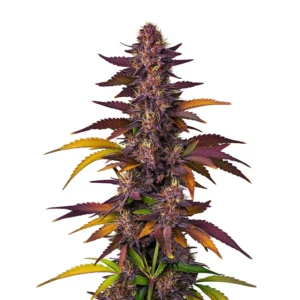
Tangie
|
|
THC | 19% - 22% (Medium) |
|
|
Type | Feminized |
|
|
Yield | High |
|
|
Phenotype | 30% Indica / 70% Sativa |
In the world of cannabis cultivation, knowing the intricate details of CBN formation from THC degradation helps cultivators fine-tune their practices. This knowledge is invaluable, especially if you’re working with strains from Blimburn Seeds that are rich in THC and have the potential to produce high CBN yields through degradation.
How the CBN Formation Process from THC Degradation Works
The CBN formation process from THC degradation involves a gradual breakdown of THC molecules. Over time, exposure to air, heat, and light causes THC to oxidize, leading to the formation of CBN. This is a natural process that occurs as cannabis ages.
In a typical THC to CBN conversion timeline, the process can take weeks or even months, depending on the environmental conditions. Proper storage and handling of cannabis play a crucial role in managing this timeline, ensuring that degradation happens optimally to yield the desired amount of CBN.
Knowing the CBN formation process from THC degradation is crucial for those looking to harness the benefits of aged cannabis. The gradual transition from THC to CBN can lead to products with a more balanced cannabinoid profile, offering therapeutic benefits that differ from those provided by THC alone. Cannabis enthusiasts seeking a more relaxing experience often look for strains that naturally enhance this conversion.
As cannabis continues to evolve, the importance of knowing the THC to CBN conversion timeline grows. Innovators in the industry are now focusing on how to manipulate this process to produce products with higher CBN content. By exploring the various stages of THC degradation, cultivators can better predict the outcomes, allowing them to cater to consumers seeking the distinct effects of CBN.
Promos & Deals

Environmental Factors Affecting THC Degradation to CBN
Environmental factors significantly influence the THC degradation to CBN process. Light, temperature, and air exposure are primary contributors. For instance, storing cannabis in a cool, dark place can slow degradation, while exposing it to heat and sunlight accelerates the conversion.
Growers at Blimburn Seeds understand these factors well. They recommend techniques such as curing cannabis in controlled environments to regulate CBN formation. This not only preserves the quality of the cannabis but also optimizes the cannabinoid profile over time.
The impact of environmental factors on the THC degradation to CBN process cannot be overstated. Even minor fluctuations in temperature or light exposure can significantly alter the rate at which THC transforms into CBN. For growers, mastering the art of environmental control is a key component in maximizing CBN yield from THC degradation.
Through careful monitoring and adjustments, cultivators can create ideal conditions for the CBN formation process from THC degradation. By knowing how each environmental element affects this transformation, growers can produce cannabis with consistent and desirable levels of CBN, enhancing the overall quality and appeal of their products.
Real-Life Examples of THC Degradation to CBN in Aging Cannabis
Picture a jar of aged cannabis. Over time, the once-vibrant THC-rich buds slowly lose their potency. As they degrade, CBN emerges, offering a more sedative effect. This transformation is particularly noticeable in strains like Tangie from Blimburn Seeds, known for its high THC content.
Another example is the popular strain Mamba Negra. When properly aged, it demonstrates a significant increase in CBN yield from the THC degradation process. Growers often use this strain to achieve a balance between psychoactive and therapeutic effects.
Observing THC degradation to CBN in aging cannabis provides valuable insights into how cannabinoids evolve over time. As THC levels decline, the emergence of CBN brings a new dimension to the cannabis experience, often preferred by those seeking milder psychoactive effects. This transformation is a testament to the dynamic nature of cannabis and its ever-changing chemical makeup.
Strains like Zombie Death Fuck from Blimburn Seeds are prime candidates for studying the THC degradation to CBN process. Known for their robust cannabinoid profiles, these strains offer a glimpse into the future of cannabis, where precise control over cannabinoid levels can lead to tailored experiences for users. By knowing these examples, growers can better manage their crops to achieve the desired balance of effects.
Maximizing CBN Yield from THC Degradation Process
To maximize CBN yield from THC degradation, careful attention to environmental conditions is essential. Growers often use airtight containers to minimize air exposure, slowing the degradation process for better control over the cannabinoid transition.
Another method involves curing cannabis at specific temperatures. This can be a game-changer in the THC to CBN conversion timeline, allowing growers to produce cannabis with higher CBN content. The goal is to find the sweet spot where THC begins to degrade efficiently into CBN.
Maximizing CBN yield from the THC degradation process requires a strategic approach. By experimenting with different storage conditions and curing techniques, growers can unlock the full potential of their strains. This not only increases the CBN content but also enhances the overall quality of the cannabis, making it more appealing to consumers seeking specific effects.
Blimburn Seeds selection of strains offers an excellent starting point for those looking to optimize CBN formation from THC degradation. By choosing strains with a genetic predisposition for high CBN yields and implementing best practices in environmental control, cultivators can achieve superior results, setting their products apart in a competitive market.
FAQs about CBN formation from THC degradation
What is the THC to CBN conversion timeline?
The THC to CBN conversion timeline varies based on several factors including environmental conditions like light, temperature, and air exposure. Generally, the process can take anywhere from a few weeks to several months. By controlling these factors, you can influence the rate of conversion and optimize the yield of CBN from THC degradation.
For example, cannabis stored in a dark, cool place will degrade slower than cannabis left in direct sunlight. This slower process can be beneficial, allowing for a more controlled conversion timeline. As a result, cultivators can achieve higher yields of CBN by managing these conditions meticulously.
Knowing the nuances of the THC to CBN conversion timeline is critical for achieving desired results. Different strains may respond uniquely to environmental conditions, so growers must adapt their strategies accordingly. By doing so, they can ensure that the CBN formation process from THC degradation proceeds optimally, leading to consistent and predictable outcomes.
For those new to cannabis cultivation, tapping into expert advice and resources can provide a solid foundation for navigating the complexities of THC degradation. With the right approach, maximizing CBN yield from THC degradation becomes an attainable goal, enhancing the therapeutic potential of cannabis products.
How do environmental factors affect THC degradation to CBN?
Environmental factors like light exposure, temperature, and air significantly impact the degradation of THC into CBN. High temperatures and direct sunlight can accelerate this process, while cooler, darker conditions may slow it down. This is crucial for growers aiming to maximize CBN production.
By knowing these factors, growers can manipulate storage and aging conditions to ensure optimal THC degradation to CBN. This knowledge allows them to produce cannabis with desired effects, enhancing both the quality and potency of their products.
The function of environmental factors in the THC degradation to CBN process highlights the importance of precision in cannabis cultivation. Even slight variations in conditions can lead to significant differences in cannabinoid outcomes, underscoring the need for careful monitoring and adjustment.
For Blimburn Seeds cultivators, leveraging the power of environment control is key to unlocking the full potential of their strains. By tailoring conditions to favor CBN formation from THC degradation, they can produce high-quality cannabis that meets the evolving demands of consumers seeking specific effects and benefits.
Are there specific strains better for CBN formation from THC degradation?
Yes, certain strains are more suitable for CBN formation from THC degradation. Strains like Tangie, Mamba Negra, and Zombie Death Fuck from Blimburn Seeds are known for their high THC content and potential for high CBN yield. These strains are ideal for those looking to explore the sedative benefits of CBN.
Choosing the right strain is crucial. Strains with a balanced cannabinoid profile and robust genetic makeup can effectively undergo the THC degradation process, resulting in optimal CBN formation. Blimburn Seeds offers a variety of strains to suit different cultivation goals and preferences.
When selecting strains for CBN formation from THC degradation, it’s important to consider not only the genetic potential but also the environmental conditions that will support this transformation. By focusing on strains with a natural propensity for CBN production, growers can streamline the degradation process and enhance the overall cannabinoid profile of their products.
Blimburn Seeds extensive catalog provides a wealth of options for cultivators seeking to maximize CBN yield. By experimenting with different strains and refining environmental conditions, growers can achieve a harmonious balance of cannabinoids, catering to a diverse range of consumer preferences and therapeutic needs.
Can aging cannabis increase CBN levels?
Yes, aging cannabis can indeed increase CBN levels. As cannabis ages, the THC content gradually decreases, and CBN is formed. This is part of the natural degradation process, making aged cannabis a valuable source of CBN.
By controlling the aging environment, such as using airtight containers and maintaining stable temperatures, growers can enhance the CBN formation process from THC degradation. This ensures that their cannabis achieves the desired effect, offering a unique experience for users.
The process of aging cannabis to increase CBN levels is a time-honored tradition among cultivators seeking to enhance the therapeutic benefits of their products. By allowing cannabis to mature under controlled conditions, growers can optimize the balance of cannabinoids, resulting in strains that offer a unique blend of effects.
Blimburn Seeds cultivators understand the importance of aging in the CBN formation process from THC degradation. By implementing best practices in storage and curing, they can produce cannabis that not only meets but exceeds consumer expectations, delivering a product that stands out in a crowded marketplace.
What are practical ways to optimize the CBN yield from the THC degradation process?
Optimizing CBN yield from the THC degradation process involves managing environmental conditions meticulously. Using airtight containers, controlling light exposure, and maintaining stable temperatures are effective strategies. These practices slow down THC degradation, allowing for a controlled increase in CBN content.
Growers can also select strains specifically bred for high CBN potential, like those offered by Blimburn Seeds. By combining the right genetics with optimal environmental management, you can significantly enhance the CBN yield, making your cannabis products more versatile and appealing.
Practical steps to optimize CBN yield from the THC degradation process include a combination of strategic environmental management and careful strain selection. By aligning these elements, growers can achieve a higher concentration of CBN, resulting in cannabis that is both potent and therapeutic.
Blimburn Seeds’ commitment to quality genetics provides a strong foundation for those seeking to enhance CBN formation from THC degradation. Through continued experimentation and refinement, cultivators can unlock new possibilities in cannabinoid production, offering products that cater to the diverse needs of cannabis consumers.