Allelopathy Differences in Indoor vs Outdoor Cannabis Grows

Have you ever heard of allelopathy? It’s a fascinating plant phenomenon where one plant impacts the growth of another by releasing chemicals. In cannabis cultivation, knowing these interactions can be crucial, especially when comparing indoor and outdoor environments. Knowing allelopathy differences in indoor vs outdoor cannabis grows helps growers manage plant placement, optimize soil health, and prevent unwanted growth inhibition between neighboring species.
For first-time growers and seasoned experts alike, acknowledging allelopathy can optimize your cannabis garden. Whether you’re nurturing a small indoor grow or a sprawling outdoor field, each environment presents unique challenges and opportunities. By choosing the right strains and knowing their interactions, you can achieve a thriving garden.
Recommended Strains
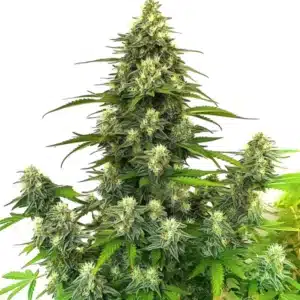
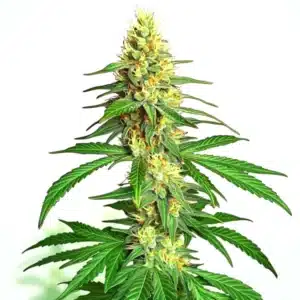
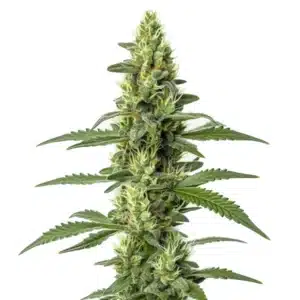
GG4 Autoflower

|
THC | 18% - 24% (Medium) |

|
Type | Autoflowering |

|
Yield | High |

|
Phenotype | 40% Indica / 60% Sativa |
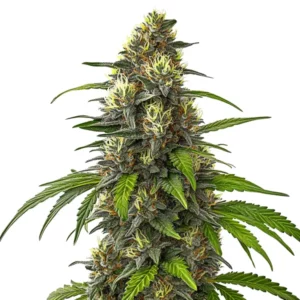
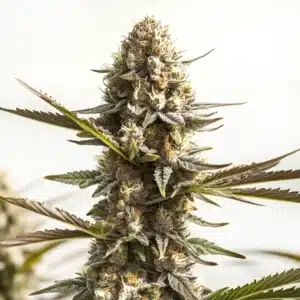
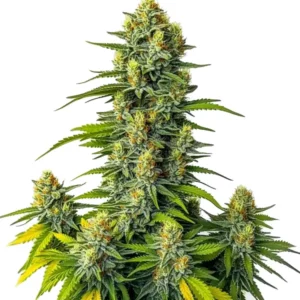
Cafe Racer Autoflower
|
|
THC | 19% - 24% (Medium) |
|
|
Type | Autoflowering |
|
|
Yield | High |
|
|
Phenotype | 50% Indica / 50% Sativa |
Certain autoflower strains like GG4 Auto, Cafe Racer Autoflower, and AK59 Auto may behave differently based on their environment. When planning your grow, consider how these strains interact with each other and the environment around them.
Knowing Allelopathy in Cannabis
Allelopathy involves the production of biochemicals by a plant that can influence the growth, survival, and reproduction of surrounding flora. In cannabis, this means that certain strains may either inhibit or promote the growth of others. Knowing allelopathy differences in indoor vs outdoor cannabis grows is essential, as controlled environments can limit chemical interactions, while outdoor settings allow these natural processes to impact neighboring plants more significantly.
Chemical Interactions
Cannabis plants release various compounds through their roots and leaves. These compounds can affect neighboring plants. Some chemicals might enhance soil nutrient uptake, while others might inhibit the growth of competing strains.
The type and concentration of these chemicals can vary significantly between strains. For example, strains like Gorilla G4 Auto might have different allelopathic properties compared to Kabrales Auto. Knowing these differences can help in selecting companion plants.
Environmental Influences
Environmental factors such as soil pH, light exposure, and water availability can influence allelopathic interactions. In an indoor setup, you have more control over these factors, which allows for a more predictable growing environment.
Outdoor environments are more variable. Natural elements such as rain and wind can dilute or spread allelochemicals, affecting how they interact with nearby plants. This unpredictability can make outdoor allelopathy more challenging to manage.
Promos & Deals

Indoor vs Outdoor Cannabis Allelopathy
The allelopathic interactions in indoor versus outdoor cannabis grows can differ significantly. Indoor environments offer more control over variables, while outdoor grows rely heavily on natural conditions.
Controlled Indoor Settings
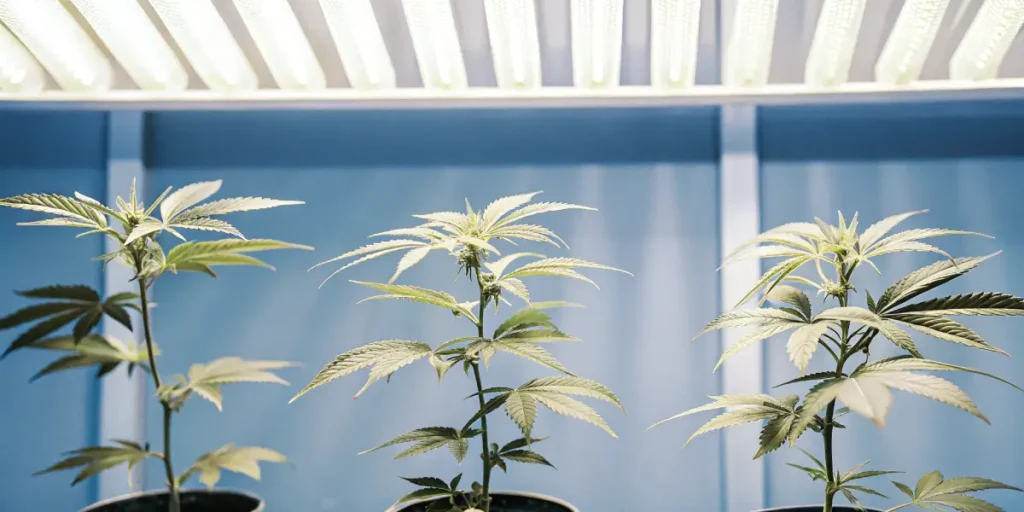
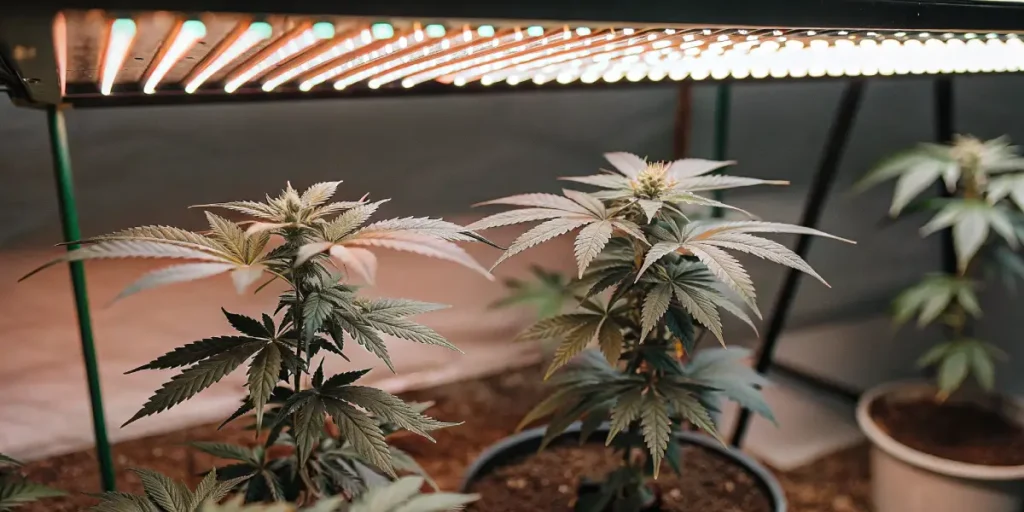
Indoor cannabis cultivation allows for meticulous control over growing conditions. By managing light, temperature, humidity, and soil composition, you can minimize negative allelopathic effects.
In these settings, strains like Cafe Racer Autoflower can be paired with AK59 Auto to maximize growth without adverse interactions. The controlled environment helps mitigate any adverse chemical exchanges.
Variables in Outdoor Grows
Outdoor environments are subject to a range of variables that can amplify or mitigate allelopathic interactions. Natural factors like rainfall can dilute allelochemicals, potentially reducing their impact.
However, outdoor growers can also benefit from natural soil biodiversity, which can buffer against negative interactions. Strains like Gorilla G4 Auto might thrive in such environments due to their adaptability.

Strategic Strain Selection
Choosing the right strains for your grow environment is essential. Consider how strains like AK59 Auto and Gorilla G4 Auto might interact with each other. Observing their growth patterns can provide insights into their allelopathic tendencies.
Knowing these dynamics can help you craft a harmonious cannabis garden, whether you’re growing in a closet or a field.
Practical Tips for Managing Allelopathy
Managing allelopathy effectively involves a blend of strategic planning and observation. Here are some practical tips for both indoor and outdoor growers.
Optimizing Indoor Grows
- Choose complementary strains to prevent allelopathic clashes (e.g., Cafe Racer Autoflower + AK59 Auto).
- Monitor soil health regularly to detect any negative interactions early.
- Adjust nutrient levels to promote balanced plant growth.
By following these practices, you can create a sustainable indoor environment that supports healthy cannabis growth.
Enhancing Outdoor Cultivation
- Utilize companion planting techniques to naturally mitigate allelopathic effects.
- Regularly rotate crops to maintain soil health and minimize negative interactions.
- Observe weather patterns to predict allelochemical dispersion.
These strategies can help harness the benefits of allelopathy while minimizing its downsides in outdoor settings.
FAQs about Allelopathy differences in indoor vs outdoor cannabis grows
What is allelopathy, and how does it affect cannabis growth?
Allelopathy refers to the chemical interactions between plants that can influence growth. In cannabis, certain strains release compounds that may either support or hinder the development of neighboring plants. Knowing these interactions can help growers optimize their gardens.
By selecting strains with complementary allelopathic profiles, growers can promote healthier plants and better yields. This is particularly crucial in environments where space is limited, such as indoor grows.
How do indoor and outdoor cannabis allelopathy differ?
Indoor and outdoor cannabis allelopathy differ primarily in the level of control over environmental factors. Indoors, growers can regulate conditions like light and humidity, which can impact allelopathic interactions. This control allows for more predictable growth patterns.
In contrast, outdoor grows rely on natural conditions, which can lead to more variable allelopathic effects. Growers must account for weather and soil biodiversity, which can influence how plant chemicals interact.
What strains are best for minimizing allelopathic effects?
Strains like Gorilla G4 Auto, Cafe Racer Autoflower, and AK59 Auto are good candidates for environments where minimal interference is preferred, thanks to their robust genetics and stable behavior.
Choosing strains with compatible allelopathic properties can help maintain a healthy grow environment, whether indoors or outdoors. Observing plant behavior and adjusting strain selection accordingly is key.
Can companion planting help with cannabis allelopathy?
Yes, companion planting can be an effective strategy for managing allelopathy. By choosing plants that complement each other, growers can create a balanced ecosystem that supports cannabis growth.
For example, pairing certain cannabis strains with herbs like basil or mint can help mitigate negative allelopathic effects. These companion plants can absorb or neutralize harmful chemicals, promoting a healthier grow environment.
What are some signs of negative allelopathic interactions?
Signs of negative allelopathic interactions include stunted growth, yellowing leaves, and wilting. If you notice these symptoms, it may indicate that your cannabis plants are affected by allelochemicals from neighboring plants.
Addressing these issues promptly by adjusting plant spacing or changing strain combinations can help restore plant health. Regular monitoring and quick intervention are crucial for successful cannabis cultivation.