Lessons from Sardinia: How Chefs Andrea Pani and Roberto Piseddu Integrate Cannabis into Haute Cuisine

In the wild heart of Sardinia, where pastoral tradition merges with gastronomic avant-garde, a silent revolution is taking place around cannabis into haute cuisine. Far from the spotlight of major European capitals, the town of Guspini has become the epicenter of a sensory experiment that challenges every lingering prejudice against the cannabis plant. Here, the collaboration between Chef Andrea Pani of the Casa Marmida agriturismo and visionary Roberto Piseddu, founder of Hemp Factory, has birthed a new culinary language where the cannabis seed is the undisputed protagonist of Sardinian high cuisine.
This creative duo has achieved what many considered impossible: stripping the plant of its recreational stigma to present it as an ingredient of luxury and technical precision. While Piseddu focuses on land restoration and perfecting industrial hemp genetics in Sardinian fields, Pani translates that raw material into dishes that dialogue with the territory and collective memory. What began as a botanical curiosity has transformed into a masterclass in food sovereignty that is capturing the attention of critics and gourmets worldwide.
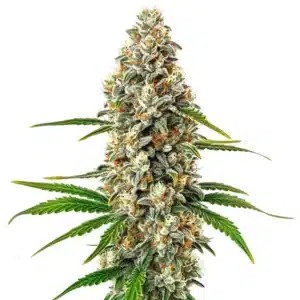
Recommended Strains
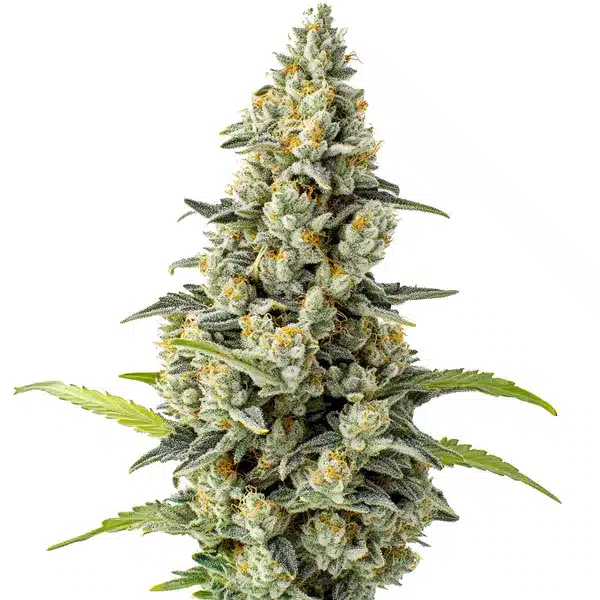
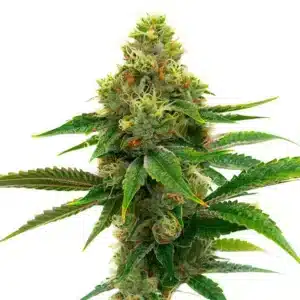
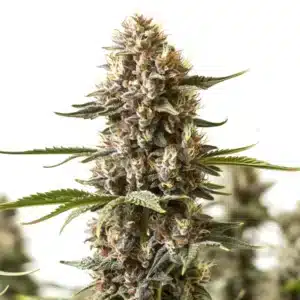
Chocolate Fondue

|
THC | 15% - 20% (Medium) |

|
Type | Feminized |

|
Yield | High |

|
Phenotype | 20% Indica / 80% Sativa |
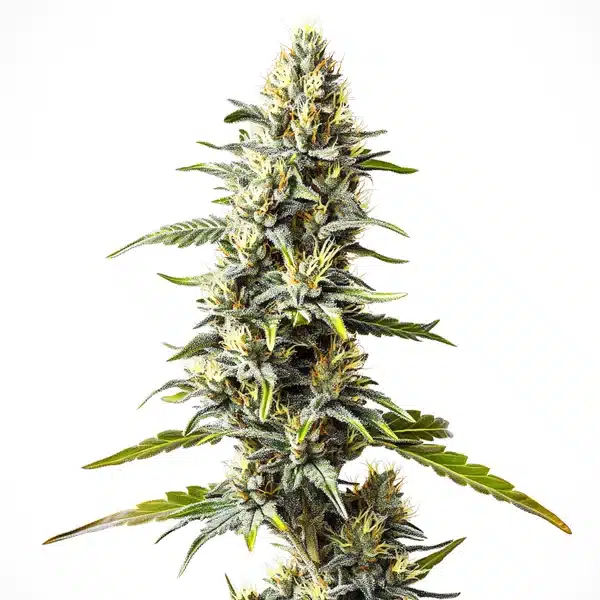
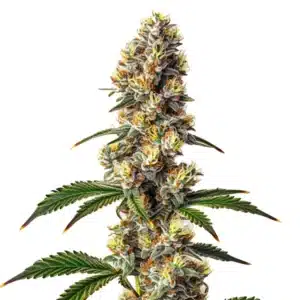
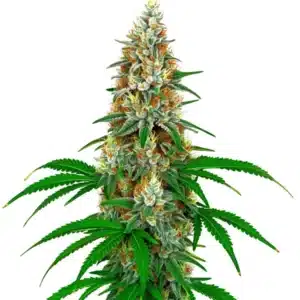
Cream Caramel
|
|
THC | 19% - 24% (High) |
|
|
Type | Feminized |
|
|
Yield | High |
|
|
Phenotype | 90% Indica / 10% Sativa |
The Sardinian Renaissance: The Legacy of Hemp Factory
The story of this collaboration is rooted in the soil. Roberto Piseddu is more than just a farmer; he is an architect of the landscape who saw cannabis as the key to revitalizing Sardinia’s circular economy. Through Hemp Factory, Piseddu has reintroduced the cultivation of varieties selected for their nutritional profile and their ability to thrive in the Mediterranean climate. His approach is not merely to produce seeds, but to understand how the Sardinian terroir influences the concentration of fatty acids and the aromatic nuances of each harvest, creating a product that is simultaneously medicine and delicacy.
For Piseddu, cannabis is the common thread of a sustainability network that spans from construction to textiles, but it is in food where he has found its most refined expression. By providing Andrea Pani with fresh seeds, cold-pressed oils, and specific-grain flours, Roberto has allowed the plant to integrate into the Mediterranean diet in an organic and sophisticated way. This vision of “real kilometer zero” is what gives Guspini’s cannabis its own identity, radically differentiating it from mass industrial productions that lack soul and provenance.
Promos & Deals
Andrea Pani: The Alchemy of Casa Marmida
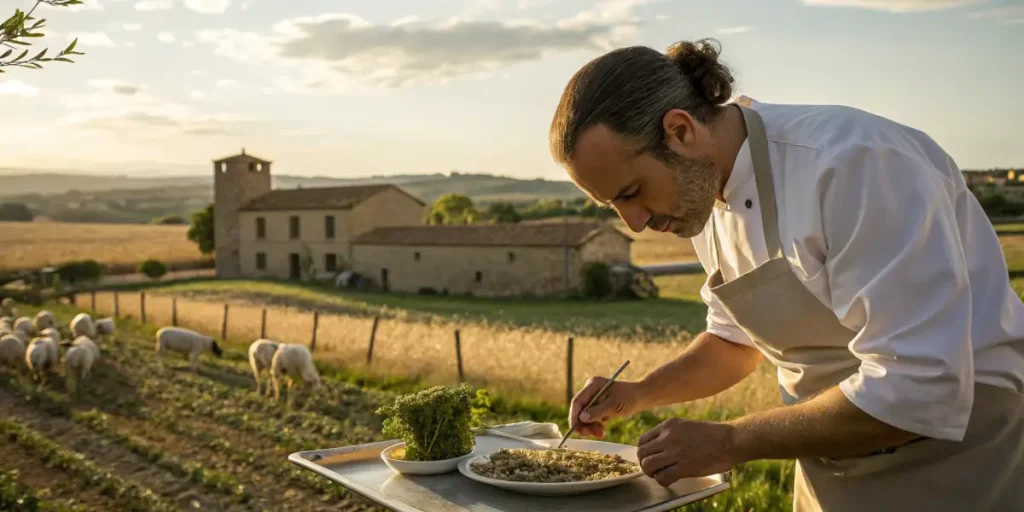
Andrea Pani does not cook with cannabis for the sake of being disruptive; he does so because he understands the technical virtues of the ingredient. In the Casa Marmida kitchen, cannabis is not an ornament but a structural pillar that provides umami, texture, and a lipid complexity that few ingredients can match. Pani has learned to read the “personality” of the seed, using it to enhance the traditional flavors of the island such as mutton or local seafood creating sensory bridges that surprise with their elegance and balance.
Pani’s approach is deeply technical. The chef experiments with different temperatures and states of the seed to extract flavor profiles ranging from fresh nut to toasted hay. This pursuit of excellence has led him to reject the use of cannabis as a simple “supplement,” treating it instead with the same respect a French chef would accord to truffles or foie gras. In his hands, the plant sheds its mystical aura to become a tool of culinary precision that elevates local products to a new dimension.
From Seed to Plate: Avant-Garde Techniques
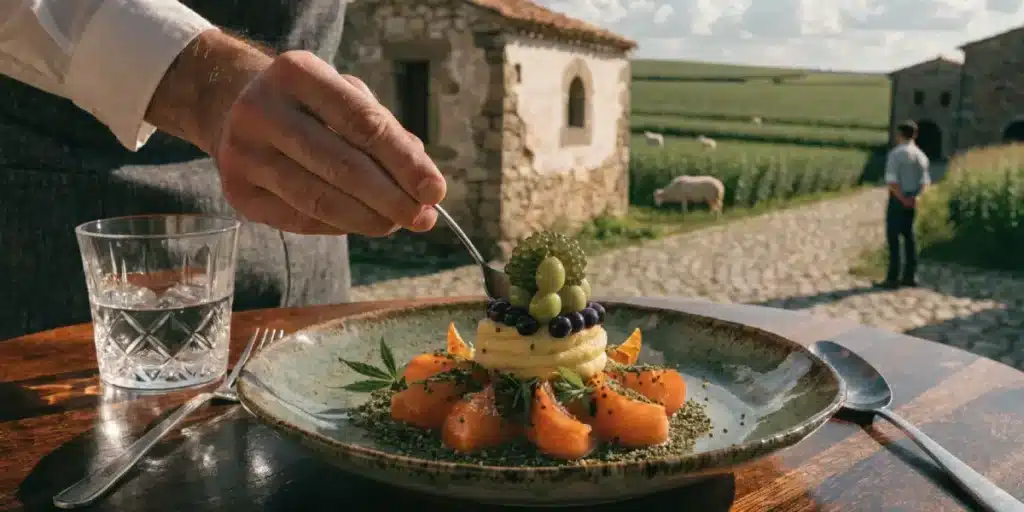
One of the most iconic dishes resulting from this collaboration is the mutton tartare with “hemp oil powder,” a perfect example of how cannabis into haute cuisine is redefining fine dining. To achieve this texture, Pani takes Hemp Factory’s virgin oil and transforms it through cutting-edge processes into a solid matter that melts on the tongue, releasing an explosion of Omega-3s and green notes that complement the intensity of the meat. This technique demonstrates that cannabis can be manipulated with the same complexity as any ingredient in molecular cuisine, without losing its connection to the earth and the primary product.
Another pillar of his menu is enriched pasta, where Pani blends durum wheat semolina with a precise percentage of cannabis seed flour. The result is not just a color shift toward emerald tones, but a transformation of the pasta’s elasticity and flavor, which acquires an earthy nuance and a superior protein density. By serving these tagliatelle with seasonal produce, the chef ensures that the diner perceives cannabis not as a foreign element, but as the natural evolution of Italian pasta—more nutritious and with a depth of flavor unattainable for conventional wheat.
Sustainability and the Model of Guspini
The collaboration between Pani and Piseddu is, above all, a model of environmental ethics. By integrating cannabis into haute cuisine, they highlight the plant’s potential beyond traditional uses. Cannabis is a phytoremediator that cleans the soil and requires only a fraction of the water consumed by other industrial crops. By betting on this plant, Casa Marmida and Hemp Factory are sending a clear message: the haute cuisine of the future must be regenerative, or it will not be. This commitment to the territory translates into a gastronomic experience where the customer not only enjoys exceptional flavor but also participates in the restoration of an ecosystem that has been mistreated by intensive agriculture.
The Guspini model is scalable and serves as inspiration for regions seeking sustainable economic alternatives. The integration of cannabis into local hospitality has generated a new kind of tourism, where visitors seek to learn about the plant, see the crops, and understand its processing. It is a tourism of knowledge and respect, where the table is the meeting point between agricultural science and hedonistic pleasure. Pani and Piseddu have proven that when there is quality genetics and an expert hand, cannabis is capable of narrating the story of a territory with the same force as the finest of wines.
The Blimburn Perspective: The Plant as Total Sustenance
At Blimburn Seeds, we believe that the human relationship with cannabis should be profound and multifaceted. Cultivation is the first step, but knowing how to integrate the plant into our daily sustenance is what completes the circle of a conscious lifestyle. The work of Pani and Piseddu in Sardinia is the ultimate validation that cannabis is one of the most valuable species at our disposal, capable of feeding, clothing, and delighting us at the highest level.
Sardinia has given us a lesson in humility and vision: the cannabis seed is the ingredient of the past that arrives to save our gastronomic future, redefining how we understand cannabis into haute cuisine. We encourage our community to see beyond the harvest and discover the culinary potential of their favorite plant. By integrating these seeds into the kitchen, we are participating in a millenary tradition of respect for botany, turning every meal into an act of health, sustainability, and high-level gastronomic pleasure.
FAQs about cannabis into haute cuisine
What is the significance of the “Guspini Model” in Sardinia?
The Guspini model represents a regenerative circular economy led by Roberto Piseddu (Hemp Factory) and Chef Andrea Pani. It moves beyond simple farming by using cannabis for soil restoration (phytoremediation) and land revitalization, proving that high-end gastronomy can be a tool for environmental ethics and food sovereignty.
How does Chef Andrea Pani technically define cannabis in his kitchen?
Instead of treating it as a simple supplement or ornament, Pani views cannabis as a structural pillar. He utilizes it for its umami profile, its unique textures, and its complex lipid structure. His technical approach treats the seed with the same level of respect and precision that high-level chefs traditionally accord to ingredients like truffles or foie gras.
What specific avant-garde techniques are highlighted in this Sardinian collaboration?
A key technique mentioned is the creation of “hemp oil powder” using molecular gastronomy processes. By transforming virgin cannabis oil into a solid matter that melts upon contact with the tongue, Pani is able to pair the intense flavors of mutton tartare with a controlled release of Omega-3s and fresh green notes.
How does the addition of cannabis flour transform traditional Italian pasta?
In Guspini, cannabis seed flour is blended with durum wheat semolina. This does not just change the color; it alters the elasticity and nutritional density of the pasta. The result is a tagliatelle with a superior protein profile and an earthy flavor nuance that conventional wheat alone cannot achieve.