How to Make Cannahoney with No Smell

How to make cannahoney with no smell: Crafting cannahoney without a noticeable aroma involves using decarboxylated cannabis and a slow infusion process. By combining cannabis with honey and using a double boiler, you can maintain low temperatures to prevent the release of strong odors. This method ensures the cannabis-infused honey retains its potency while remaining discreet. Typically, the process takes about 2-3 hours, and the result is a versatile product that can be used in various recipes.
Creating cannahoney without a strong scent involves knowing the infusion process and selecting the right ingredients. By focusing on terpene preservation and slow cooking methods, you can achieve a discreetly infused honey. This approach not only maintains the flavor profile but also ensures the honey’s potency, making it ideal for personal use without attracting attention.
Recommended Strains
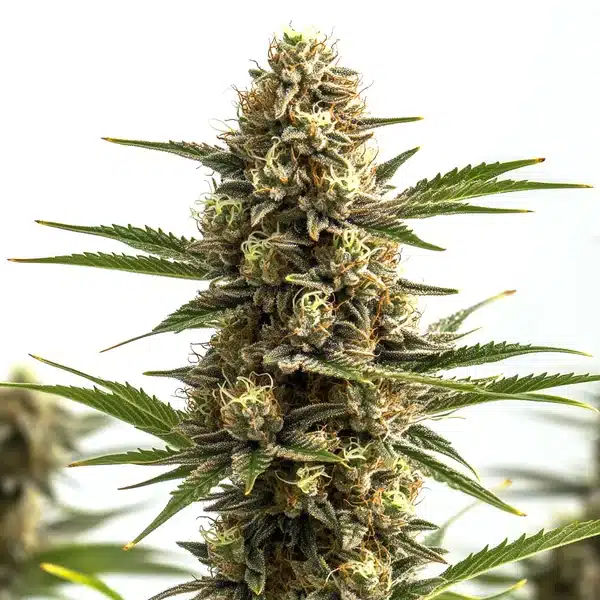
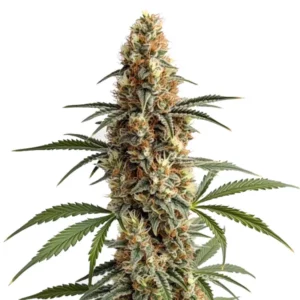
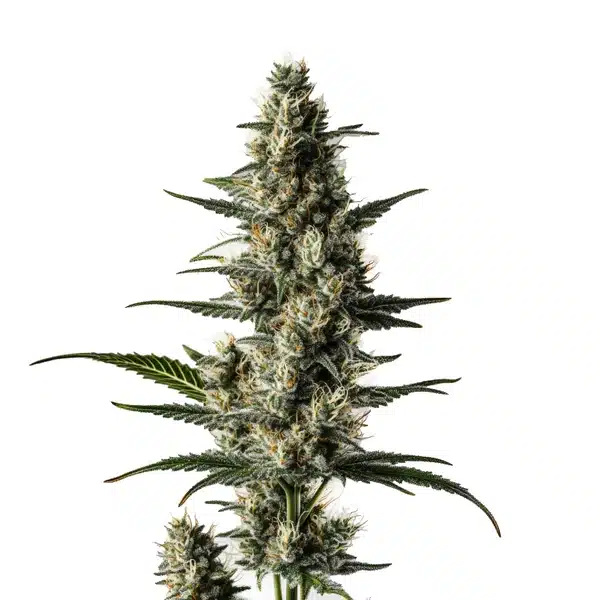
Jungle Wreck

|
THC | 16% - 18% (Medium) |

|
Type | Feminized |

|
Yield | Medium |

|
Phenotype | 70% Indica / 30% Sativa |
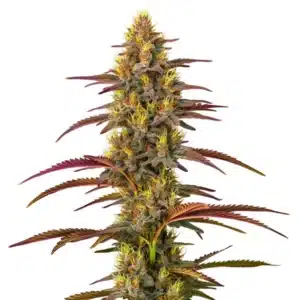
Lemon Auto
|
|
THC | 17% - 25% (High) |
|
|
Type | Autoflowering |
|
|
Yield | Medium |
|
|
Phenotype | 40% Indica / 60% Sativa |
What is Cannahoney?
Cannahoney is a blend of honey and cannabis, resulting in a sweet, infused product that offers both flavor and potential therapeutic benefits. Unlike traditional edibles, cannahoney is versatile, allowing you to add it to teas, spread on toast, or incorporate into recipes. This infusion method preserves the natural terpenes found in cannabis, enhancing the honey’s aroma and effects.
Commercially available canna honey for sale often varies in potency and quality. Many cultivators prefer homemade versions to control the THC content, which can range from 10-20 mg per tablespoon depending on the strain used. The infusion process typically involves decarboxylation, which activates the cannabinoids, making them bioavailable.
Promos & Deals
How to Make Cannahoney with No Smell
Ingredients and Equipment Needed
To make cannahoney without smell, you’ll need decarboxylated cannabis, honey, and a double boiler. The cannabis should be finely ground to ensure even infusion. Use 1 ounce (28 grams) of cannabis per 1 pound (0.45 kg) of honey for a potent blend. A thermometer is essential to maintain the temperature between 160°F – 180°F (71°C – 82°C), preventing the release of strong odors.
Ensure all equipment is clean and dry to avoid contamination. A cheesecloth or fine strainer will be necessary to filter out plant material after infusion. This step is crucial for achieving a smooth texture and maintaining the honey’s natural sweetness without any herbal residue.
Step-by-Step Process
Begin by decarboxylating your cannabis at 240°F (115°C) for 30-40 minutes. This process activates the cannabinoids, making them effective when consumed. Once decarboxylated, combine the cannabis with honey in the top part of a double boiler. Maintain a low heat to prevent scorching and stir occasionally.
Infuse the mixture for 2-3 hours, keeping the temperature steady. This slow infusion allows the cannabinoids to blend with the honey without releasing a strong smell. After infusion, strain the mixture through a cheesecloth to remove any plant material. Store the cannahoney in a glass jar at room temperature, away from direct sunlight.
Benefits of Cannabis-Infused Honey
Health Benefits
Cannabis-infused honey offers numerous health benefits, thanks to its combination of cannabinoids and honey’s natural properties. It can provide relief from chronic pain, reduce inflammation, and promote relaxation. The cannabinoids interact with the body’s endocannabinoid system, enhancing mood and potentially improving sleep quality.
Many users report that cannahoney can get you high, depending on the THC content. For those seeking non-psychoactive effects, a CBD honey recipe can be an excellent alternative. This version retains the therapeutic benefits without the high, making it suitable for daytime use or for those sensitive to THC.
Tips for Making the Perfect Cannahoney
Common Mistakes to Avoid
One common mistake when making cannahoney is overheating the mixture, which can degrade cannabinoids and terpenes. Maintain a temperature of 160°F – 180°F (71°C – 82°C) to preserve these compounds. Another error is using low-quality cannabis, which can result in a less potent product.
Ensure your cannabis is properly decarboxylated before infusion. Skipping this step can lead to ineffective cannahoney, as the cannabinoids remain inactive. Additionally, avoid adding too much cannabis, which can overpower the honey’s flavor and make dosing difficult.
| Feature | Lemon Auto | Super Lemon Haze | Jungle Wreck |
|---|---|---|---|
| THC Content | 17-25% | 19% | 16-18% |
| Dominant Terpene | Limonene | Limonene | Myrcene |
| Flavor Profile | Citrus, Earthy, Pine, Skunk | Citrus, Fruity, Lemon | Herbal, Lemon, Pine, Spicy |
| Effects | Creative, Euphoric, Uplifted | Happy, Relaxed, Talkative | Creative, Giggly, Relaxed |
| Ideal for | Daytime Use | Creative Projects | Evening Relaxation |
Variations and Recipes
Cannahoney with Coconut Oil
Incorporating coconut oil into your cannahoney can enhance its consistency and flavor. Coconut oil acts as a carrier, improving the bioavailability of cannabinoids. Use a 1:1 ratio of coconut oil to honey, and infuse with cannabis as previously described. This method not only boosts the infusion’s effectiveness but also adds a subtle tropical note to the flavor profile.
Many cultivators find that the addition of coconut oil results in a smoother texture, making it easier to incorporate into recipes. The oil’s high-fat content aids in the absorption of cannabinoids, potentially increasing the potency of the cannahoney.
RSO Infused Honey Recipe
For those seeking a potent alternative, an RSO infused honey recipe can be ideal. RSO, or Rick Simpson Oil, is a concentrated cannabis extract known for its high THC content. To make RSO-infused honey, mix 1 gram of RSO with 1 cup of honey, stirring until fully combined. This method provides a strong, medicinal-grade product.
When using RSO, it’s crucial to dose carefully, as the high THC concentration can lead to intense effects. Start with a small amount and gradually increase as needed. This recipe is particularly popular among those seeking therapeutic benefits from cannabis.
Professional Tips for Making Cannahoney
- Maintain 160°F – 180°F (71°C – 82°C) during infusion to preserve cannabinoids and terpenes. Overheating can degrade these compounds, reducing potency.
- Use a digital thermometer for accurate temperature control. Analog thermometers can be less reliable, leading to inconsistent results.
- Always decarboxylate your cannabis at 240°F (115°C) for 30-40 minutes. Skipping this step results in inactive cannabinoids.
- Store cannahoney in a cool, dark place to prevent degradation. Exposure to light and heat can reduce its shelf life.
- Experiment with different strains to customize flavor and effects. Each strain offers unique terpene profiles and cannabinoid content.
- Use a fine mesh strainer or cheesecloth to remove plant material. This ensures a smooth, residue-free honey.

Frequently Asked Questions
What is the 3 ingredient honey trick?
The 3 ingredient honey trick involves combining honey, cannabis, and coconut oil to enhance infusion. The coconut oil acts as a carrier, improving cannabinoid absorption. This simple method creates a potent, flavorful cannahoney, ideal for various culinary uses. Typically, a 1:1 ratio of coconut oil to honey is recommended for optimal results.
Does cannahoney go bad?
Cannahoney can last up to 12 months if stored properly. Keep it in a cool, dark place at 59-70°F (15-21°C) to maintain its quality. Exposure to light and heat can degrade cannabinoids and honey’s natural properties, leading to spoilage. Always use airtight containers to preserve freshness.
How to make cannahoney at home?
To make cannahoney at home, decarboxylate cannabis at 240°F (115°C) for 30-40 minutes, then infuse with honey using a double boiler. Maintain a temperature of 160°F – 180°F (71°C – 82°C) for 2-3 hours. Strain the mixture through a cheesecloth and store in a glass jar. This process yields a potent, discreet product.
What are some common mistakes when making cannabutter?
Common mistakes when making cannabutter include overheating, which can degrade cannabinoids, and using un-decarboxylated cannabis, leading to inactive products. Maintain a temperature of 160°F – 180°F (71°C – 82°C) and always decarboxylate cannabis at 240°F (115°C) for 30-40 minutes. Proper technique ensures potency and flavor.
Can cannahoney be used for eyes?
While some anecdotal reports suggest cannahoney for eyes, there is no scientific evidence supporting this use. Honey’s natural antibacterial properties are beneficial, but applying cannabis-infused honey to eyes is not recommended. Always consult a healthcare professional before using cannabis products for unconventional purposes.