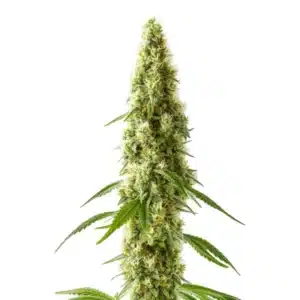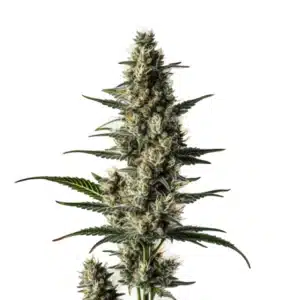
Best Outdoor Weed Strains for Every Climate

Resilient outdoor cannabis options: The top outdoor weed strains are those that offer resilience, weather resistance, and high yields. Leading choices include Durban Poison for its robust growth and pest resistance, Blue Dream for its mold resistance and fruity profile, and Northern Lights for its compact structure and cold tolerance. These strains excel in various climates, ensuring a successful outdoor harvest.
Choosing the right cannabis strains for outdoor cultivation can significantly impact your harvest. Strains like Durban Poison, Blue Dream, and Northern Lights are renowned for their unique terpene profiles and flowering times. Durban Poison offers a sweet, spicy aroma with a rapid flowering period of 8-9 weeks. Blue Dream provides a fruity scent with a slightly longer flowering time, while Northern Lights is known for its earthy aroma and compact growth.
Recommended Strains
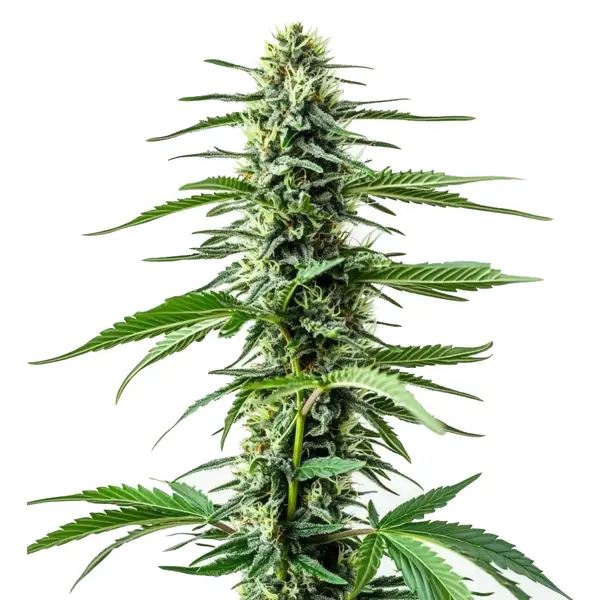
Auto Northern Lights CBD

|
CBD | 12% – 15% (Medium) |

|
Type | CBD Autoflowering |

|
Yield | Medium |

|
Phenotype | 85% Indica / 15% Sativa |

Alaskan Purple

|
THC | 15% - 20% (Medium) |
|
|
Type | Feminized |
|
|
Yield | Medium |
|
|
Phenotype | 70% Indica / 30% Sativa |
Top Outdoor Weed Strains
Durban Poison: The Hardy Performer
Durban Poison is a sativa-dominant strain that thrives in warm climates, reaching heights of up to 12 feet (3.6 meters). Its rapid growth and pest resistance make it ideal for outdoor gardens. This strain features a sweet, spicy aroma due to its dominant terpene, Terpinolene, which ranges from 0.5-1.0%. Terpinolene contributes to its uplifting effects and enhances the strain’s energetic high.
Durban Poison’s resilience is evident in its ability to withstand temperature fluctuations from 68°F to 86°F (20°C to 30°C). Its robust nature ensures a yield of 21-25 oz/plant (600-700 g/plant) under optimal conditions. This strain is perfect for growers seeking a high-yielding, low-maintenance plant.
Blue Dream: Versatile and Reliable
Blue Dream is a hybrid strain that adapts well to various climates, making it a favorite among outdoor growers. It features a dominant Myrcene terpene, ranging from 0.8-1.2%, contributing to its sweet, berry-like aroma and relaxing effects. This strain’s versatility is highlighted by its ability to thrive in temperatures between 65°F and 80°F (18°C to 27°C).
With a flowering time of 9-10 weeks, Blue Dream offers a generous yield of 20-25 oz/plant (570-710 g/plant). Its mold resistance and forgiving nature make it an excellent choice for beginners and experienced growers alike. Blue Dream’s balanced effects provide a calming yet uplifting experience, making it a well-rounded strain for various uses.
Northern Lights: Compact and Resilient
Northern Lights is an indica-dominant strain known for its compact growth and adaptability to cooler climates. Its dominant terpene, Pinene, ranges from 0.5-0.9%, giving it a refreshing pine aroma and contributing to its calming effects. This strain performs well in temperatures from 60°F to 75°F (15°C to 24°C).
With a flowering period of 7-8 weeks, Northern Lights produces a solid yield of 18-22 oz/plant (510-620 g/plant). Its natural resistance to pests and diseases makes it a reliable option for outdoor cultivation. Northern Lights’ soothing effects are perfect for relaxation, making it a popular choice among growers seeking a stress-free harvest.
Promos & Deals
Choosing the Best Strains for Your Climate
Warm Climates
For regions with warm climates, strains like Durban Poison excel due to their ability to handle high temperatures and extended sunlight exposure. Durban Poison can thrive in temperatures up to 86°F (30°C), making it ideal for sunny, hot environments. Its robust growth and pest resistance ensure a successful harvest even in challenging conditions.
In warm climates, it’s crucial to maintain adequate hydration and provide shade during peak sunlight hours to prevent heat stress. Using a mulching technique can help retain soil moisture and keep root temperatures stable. This approach minimizes water loss and supports healthy plant development.
Cooler Regions
In cooler regions, strains like Northern Lights are well-suited due to their compact growth and ability to withstand lower temperatures. Northern Lights can thrive in temperatures as low as 60°F (15°C), making it a reliable choice for areas with shorter growing seasons. Its natural resilience to pests and diseases further enhances its suitability for cooler climates.
For optimal growth in cooler regions, consider using a greenhouse or cold frame to extend the growing season and protect plants from unexpected frost. Regularly monitoring soil temperatures and using a soil thermometer can help maintain the ideal conditions for root development and overall plant health.
| Feature | Durban Poison | Blue Dream | Northern Lights |
|---|---|---|---|
| Height | Up to 12 ft (3.6 m) | 6-8 ft (1.8-2.4 m) | 4-5 ft (1.2-1.5 m) |
| Flowering Time | 8-9 weeks | 9-10 weeks | 7-8 weeks |
| Yield | 21-25 oz/plant (600-700 g/plant) | 20-25 oz/plant (570-710 g/plant) | 18-22 oz/plant (510-620 g/plant) |
| Dominant Terpene | Terpinolene (0.5-1.0%) | Myrcene (0.8-1.2%) | Pinene (0.5-0.9%) |
| Ideal Climate | Warm | Moderate | Cool |
Easiest Strains to Grow Outdoors
Green Crack: Fast and Vigorous
Green Crack is celebrated for its rapid growth and high energy, making it one of the easiest strains to cultivate outdoors. It thrives under abundant sunlight and can grow up to 6 feet (1.8 meters) tall. With a flowering time of just 7-8 weeks, Green Crack offers a quick turnaround, producing yields of 18-22 oz/plant (510-620 g/plant).
This strain’s dominant terpene, Limonene, ranges from 0.5-0.8%, giving it a citrusy aroma and energizing effects. Green Crack’s resilience to pests and fluctuating weather conditions makes it an excellent choice for novice growers seeking a reliable outdoor strain.
Soil and Nutrient Management for Outdoor Strains
Choosing the Right Soil
Soil quality is crucial for outdoor cannabis cultivation. The best outdoor strains, such as Durban Poison and Blue Dream, flourish in nutrient-rich soil with good drainage. A balanced mix of organic matter and minerals provides the foundation for strong root growth and healthy plants. Testing soil pH and amending it as necessary ensures optimal nutrient uptake.
For outdoor cannabis, maintaining a soil pH between 6.0 and 7.0 is ideal. This range allows for the best absorption of essential nutrients, preventing deficiencies that can hinder growth. Regular soil testing and adjustments help maintain the right conditions for a thriving garden.
Pest and Disease Resistance in Outdoor Cultivation
Natural Defenses Against Pests
Outdoor cannabis strains like Northern Lights and Green Crack have natural defenses against pests, reducing the need for chemical interventions. These strains produce compounds that repel insects and prevent infestations. Their robust foliage and strong scents deter common pests, making them a reliable choice for outdoor gardens.
Implementing companion planting with herbs like basil and marigold can enhance pest resistance in your garden. These plants naturally repel insects, providing an additional layer of protection for your cannabis crops. Regularly inspecting plants for signs of pest activity ensures early detection and management.
Professional Tips for Outdoor Cultivation
- Maintain 58-62% RH during the curing process. Below 55% can arrest terpene development, while above 65% promotes mold growth within 48 hours. Use a calibrated digital hygrometer for accuracy.
- Ensure soil pH is between 6.0 and 7.0 for optimal nutrient uptake. Deviations can lead to deficiencies or toxicities, impacting plant health and yield.
- Use a drip irrigation system to provide consistent moisture without overwatering. This technique minimizes water waste and supports sustainable gardening practices.
- Implement companion planting with pest-repellent herbs like basil and marigold to naturally deter insects and protect your cannabis crops.
- Monitor soil temperatures with a soil thermometer to maintain ideal conditions for root development, especially in cooler climates.
- Use mulching techniques to retain soil moisture and stabilize root temperatures, reducing water loss and preventing heat stress in warm climates.
FAQs About Outdoor Weed Strains
What is the best strain to grow outdoors?
Durban Poison is often considered the best strain for outdoor cultivation due to its rapid growth, pest resistance, and high yields. It thrives in warm climates, reaching heights of up to 12 feet (3.6 meters) and producing 21-25 oz/plant (600-700 g/plant). Its resilience makes it ideal for various outdoor conditions.
What strain is good for seizures?
Charlotte’s Web is a popular strain for managing seizures due to its high CBD content, typically around 15-20%. This strain provides therapeutic benefits without psychoactive effects, making it suitable for medical use. Its calming properties can help reduce seizure frequency and severity, offering relief for those with epilepsy.
Is outdoor weed more potent?
Outdoor weed can be equally potent as indoor-grown cannabis, depending on the strain and growing conditions. Outdoor cultivation allows plants to develop unique terpene profiles and cannabinoid content. Strains like Durban Poison can reach THC levels of 22-26%, offering a potent experience when grown under optimal conditions.
What is the best strain of weed for Crohn’s disease?
Critical Mass is a recommended strain for Crohn’s disease due to its high CBD and moderate THC levels, typically 5-10% THC and 5-10% CBD. This strain provides anti-inflammatory and pain-relieving effects, helping to alleviate symptoms associated with Crohn’s disease. Its calming properties can improve overall well-being.
How to store outdoor-grown cannabis?
Store outdoor-grown cannabis in airtight containers at 58-62% RH and temperatures between 59-70°F (15-21°C). This environment preserves potency and flavor while preventing mold growth. Use amber glass jars to protect against light exposure, and avoid plastic containers that can affect taste and aroma.
Related articles
Want to dig further into this subject? We cover it from other angles in Super Boof: Leafly’s Strain of the Year 2024 and Worst Strains for Beginners: What You Should Avoid, so give them a read to round out your understanding before your next grow.