The Best Strains for Fibromyalgia

Quick Summary: Managing fibromyalgia requires a synergistic approach using 1,000+ stabilized genetics. High-CBD strains like Harlequin and ACDC provide analgesic relief via the Entourage Effect, while THC-rich Purple Kush addresses chronic insomnia. Combining targeted terpenes with precise harvesting ensures maximum therapeutic potency.
The Endocannabinoid System and Fibromyalgia
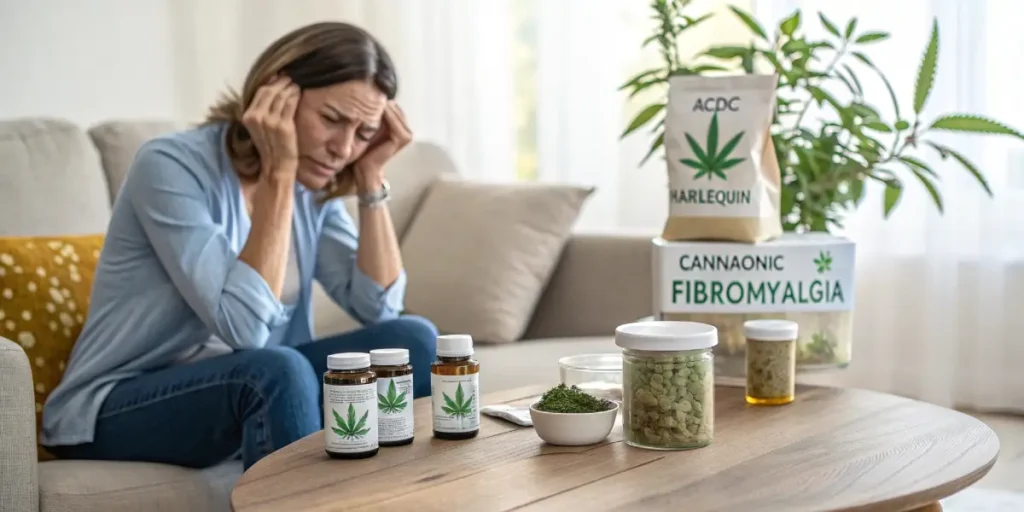
Fibromyalgia is increasingly recognized in the scientific community as a manifestation of Clinical Endocannabinoid Deficiency (CECD). The human body utilizes the Endocannabinoid System (ECS) to maintain homeostasis across neurological and physiological pathways. In fibromyalgia patients, the signaling between CB1 receptors (primarily located in the central nervous system) and CB2 receptors (prevalent in peripheral tissues and immune cells) is often disrupted, leading to hyperalgesia—an amplified sensitivity to pain.
Recommended Strains

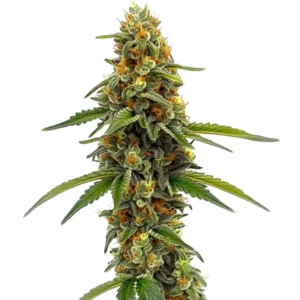
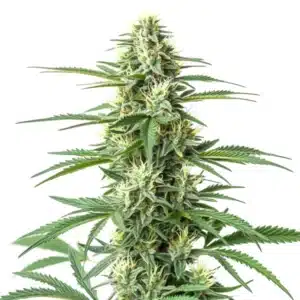
Cannatonic

|
THC | 4% - 6% (Low) |

|
Type | Feminized |

|
Yield | High |

|
Phenotype | 50% Indica / 50% Sativa |
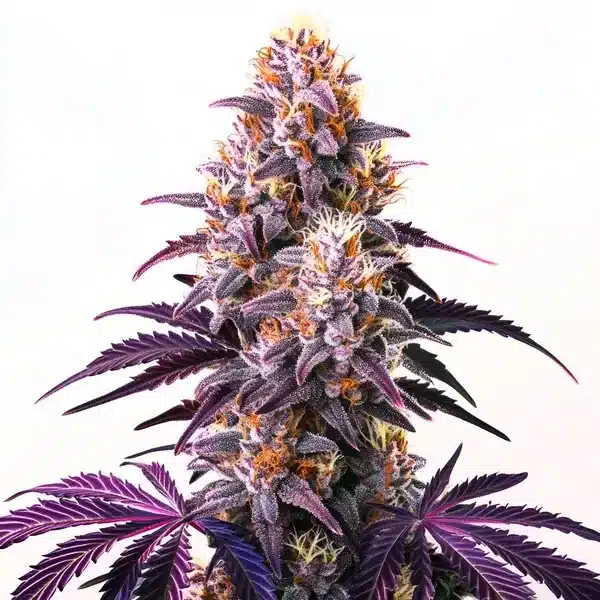
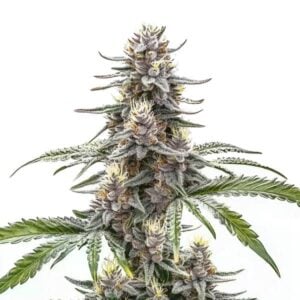
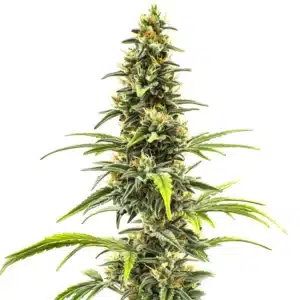
Purple Kush
|
|
THC | 17% - 27% (High) |
|
|
Type | Feminized |
|
|
Yield | High |
|
|
Phenotype | 30% Indica / 70% Sativa |
The biological “why” behind cannabis efficacy lies in its ability to supplement endogenous cannabinoids like Anandamide. When phytocannabinoids like THC and CBD are introduced, they bind to these receptors, effectively raising the pain threshold and downregulating pro-inflammatory cytokines. Furthermore, the presence of specific terpenes, volatile aromatic compounds, facilitates the “Entourage Effect,” where the combined chemical profile is significantly more effective than isolated compounds.
For instance, the terpene Beta-Caryophyllene acts as a selective CB2 agonist, providing potent anti-inflammatory action without the psychoactive overhead of THC. This is critical for fibromyalgia patients who suffer from “fibro fog,” as it allows for peripheral pain management while maintaining cognitive clarity during the day.
Promos & Deals



The Best Medical Marijuana for Fibromyalgia: Chemical Profiles
Selecting the best medical marijuana for fibromyalgia involves looking beyond the “Indica vs. Sativa” dichotomy. True relief is found in the chemotype, the specific ratio of cannabinoids and terpenes. Sativa-dominant hybrids like Harlequin utilize a 5:2 CBD:THC ratio to combat daytime fatigue and muscle stiffness. The low THC content prevents anxiety spikes, while the high CBD concentration modulates pain signals before they reach the brain’s processing centers.
Conversely, nighttime management requires a shift toward sedation. Indica-dominant strains like Purple Kush or Northern Lights are rich in Myrcene and Linalool. Myrcene increases the permeability of the blood-brain barrier, allowing cannabinoids to take effect faster and more deeply. This physiological synergy is essential for bypassing the chronic sleep disturbances associated with the condition, as it facilitates a transition into deep, restorative REM sleep.
When discussing best thc for fibromyalgia pain, it is worth noting that THC serves as a powerful analgesic and muscle relaxant. In moderate doses, it can alleviate the “allodynia” (pain from stimuli that don’t usually cause pain) that many patients describe as a constant skin-deep ache.
| Strain Name | Primary Cannabinoids | Dominant Terpenes | Best Use Case | Cultivation Difficulty |
|---|---|---|---|---|
| Harlequin | CBD:THC (approx. 5:2) | Myrcene, Pinene | Daytime/Anti-fatigue | Moderate |
| ACDC | High CBD (up to 24%) | Myrcene, Limonene | Maximum Inflammation Relief | High |
| Blue Dream | High THC (18%+) | Myrcene, Caryophyllene | Mood Elevation/Cerebral | Easy |
| Cannatonic | Balanced (1:1 Ratio) | Linalool, Myrcene | Muscle Spasms/Anxiety | Moderate |
| Purple Kush | Pure THC (20%+) | Caryophyllene, Linalool | Deep Sleep/Severe Pain | Easy |
| White Widow | High THC (18%+) | Terpinolene, Myrcene | Chronic Pain/Euphoria | Very Easy |
Cultivation Mastery for Medical Quality
To produce truly therapeutic cannabis for fibromyalgia, the grower must master the harvest window. Trichomes are the biological factories for THC and CBD. Inspecting these resin crystals with a 30X microscope is essential. For medical patients requiring pain relief, waiting until 50% of the trichomes turn from translucent milky to a deep amber is recommended. This transition signifies that some THC is degrading into CBN (Cannabinol), which offers a heavier body stone and significantly increased sedative properties.
Drying and curing are equally critical. If buds are dried too quickly (under 5 days), chlorophyll is trapped in the plant tissue, leading to a “green” taste and a harsh smoke that can irritate sensitive respiratory systems. A slow 7-to-10-day dry at 65-75°F (18-24°C) with 45-55% humidity allows for the breakdown of starches and nitrates, resulting in a smooth, clean product that maximizes the terpene profile for therapeutic inhalation.
Environmental stability is the key to potency. Any form of stress, whether light leaks during the 12/12 flowering cycle or erratic watering, can trigger hermaphroditism or decrease cannabinoid production. For those growing autoflowering genetics, maintain an 18/6 or 20/4 light cycle consistently to allow the plant to maximize its short life cycle without the shock of reduced energy input.
Professional Cultivation Tips
- Flush Thoroughly: Always leach nutrients from the growing medium 10–14 days before harvest using distilled or RO water to eliminate chemical fertilizer taste.
- Cold Curing: After the initial dry, store buds in airtight glass containers in a cool, dark place (or even a refrigerator at 40°F) to preserve volatile terpenes like Limonene.
- VPD Management: Monitor your Vapor Pressure Deficit (VPD). Proper VPD ensures the stomata stay open, allowing for maximum CO2 uptake and resin production.
- Trichome Integrity: Handle harvested branches only by the stems. Friction from hands can rupture delicate resin heads, instantly degrading the THC content.
- Organic Advantage: Use organic nutrients and Trichoderma bacteria to enhance root health, which directly translates to a more complex terpene profile.
What are the best strains for fibromyalgia relief?
The best strains for fibromyalgia relief are those that offer a high CBD-to-THC ratio or specific analgesic terpene profiles. Harlequin and ACDC are world-renowned for managing daytime pain and “fibro fog” due to their high CBD content. For nighttime use, Indica-heavy strains like Purple Kush provide the necessary sedation to overcome chronic insomnia and deep musculoskeletal aches.
How do I choose the best medical marijuana for fibromyalgia?
Choosing the best medical marijuana for fibromyalgia requires matching the strain’s chemotype to your specific symptoms. If your primary struggle is daytime fatigue, a Sativa-dominant hybrid with Pinene (a bronchodilator) and CBD is ideal. If pain prevents sleep, prioritize Indica strains high in Myrcene and THC to facilitate muscle relaxation and sedation.
What is the best THC for fibromyalgia pain management?
The best thc for fibromyalgia pain is often found in stable hybrids that offer a balanced effect. THC acts as a central nervous system suppressant, which can “turn down the volume” of widespread pain. Strains like Blue Dream provide a euphoric “heady” stone that improves mood, while the underlying Indica genetics provide the physical analgesia required for chronic pain management.
Can cannabis for fibromyalgia be grown easily at home?
Yes, cannabis for fibromyalgia can be grown effectively at home by focusing on stabilized genetics. Beginners should look for “Original” strains or robust hybrids like White Widow, which are pest-resistant and forgiving. Utilizing autoflowering seeds can also shorten the time to harvest, providing a consistent supply of medicine with a simplified 18/6 light schedule.