Is Sativa or Indica Better for ADHD?

This article is for general information only and is not medical advice. Cannabis is not an approved treatment for ADHD, research is limited, and it can worsen symptoms or interact with medications. Talk to a qualified healthcare professional before using cannabis for any condition.
Quick answer: There is no clear winner, and evidence is limited. Anecdotally, sativa-leaning strains may support focus and energy for daytime, while indica-leaning strains may calm hyperactivity and anxiety, but higher-THC sativas can also cause overstimulation and anxiety. Responses are very individual, so this is something to discuss with a doctor rather than self-treat.
Recommended Strains

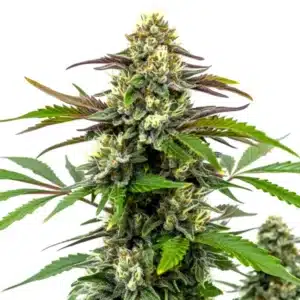
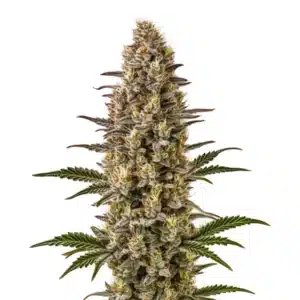
Green Crack

|
THC | 21% (Medium) |

|
Type | Feminized |

|
Yield | High |

|
Phenotype | 35% Indica / 65% Sativa |

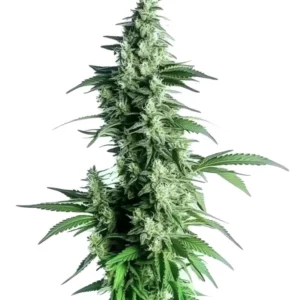
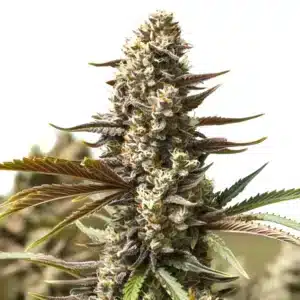
Green Crack Auto
|
|
THC | 18% - 20% (Medium) |
|
|
Type | Autoflowering |
|
|
Yield | High |
|
|
Phenotype | 50% Indica / 50% Sativa |
Terpenes may play a part in how a strain feels. Indica-leaning strains often lean on myrcene, associated with earthy aromas and a calming effect, while sativa-leaning strains may feature limonene, linked to a citrusy scent and lifted mood. These are tendencies, not guarantees, and they interact with THC and CBD and with your own body chemistry.
How Cannabis May Affect ADHD Symptoms
Cannabis acts on the endocannabinoid system, which helps regulate mood and attention. THC and CBD influence neurotransmitter activity, which is why some people report changes in focus or calm. In theory THC may affect dopamine and CBD may ease anxiety, but this is not well established for ADHD, responses vary widely, and high-THC use can backfire with overstimulation, anxiety or dependence.
It is important to be honest about the evidence: rigorous research on cannabis for ADHD is scarce, and most of what circulates is anecdotal. Within that limit, some people find sativa-leaning strains help with focus and energy, and indica-leaning or CBD-rich strains help with hyperactivity and anxiety. A balanced THC-to-CBD profile is often gentler than high-THC flower.
Promos & Deals
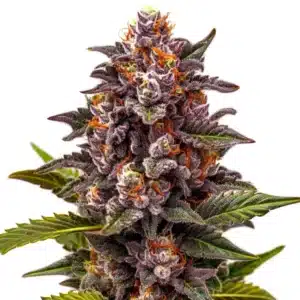
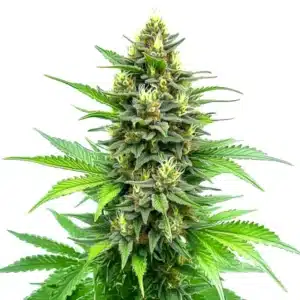
Indica vs Sativa for ADHD: Key Differences
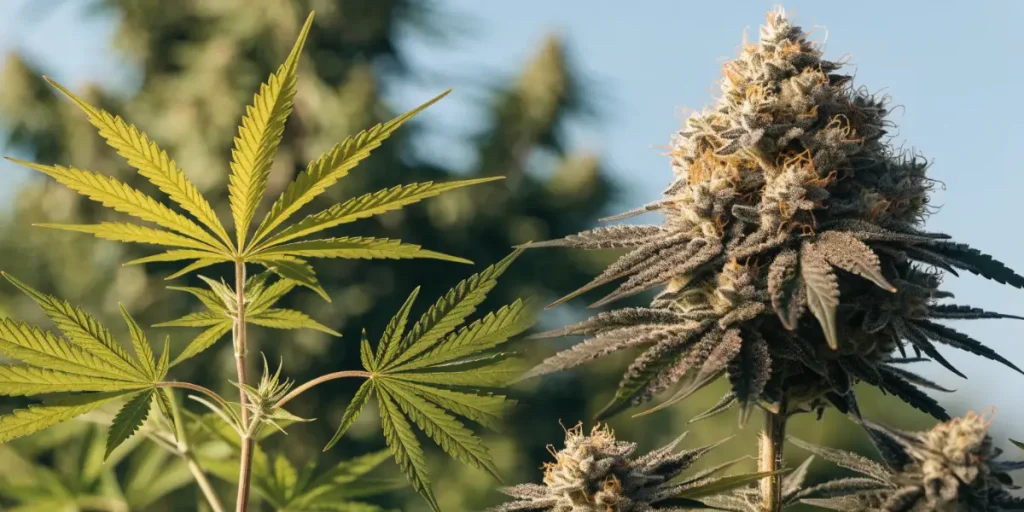
Indica-leaning strains tend to be more sedating, which some people find helps with the restlessness, racing thoughts and anxiety that can accompany ADHD, especially in the evening. The trade-off is that the same sedation can cause daytime drowsiness and sap motivation, so indicas are usually better suited to winding down than to getting things done.
Sativa-leaning strains are more uplifting and energizing, which is why some people with ADHD feel they help with attention and motivation during the day. The important caveat is that sativas, especially high-THC ones, can tip into overstimulation, anxiety or jitteriness, which makes focus worse, not better. Starting low and going slow matters even more here. “
| Feature | Indica | Sativa | Hybrid |
|---|---|---|---|
| Typical THC | 12-16% | 18-22% | 15-20% |
| Typical CBD | 1-3% | 0.5-1% | 1-2% |
| Dominant terpene | Myrcene | Limonene | Caryophyllene |
| Onset | 30-45 min | 15-30 min | 20-35 min |
| Duration | 4-6 hours | 3-5 hours | 3-6 hours |
Choosing a Strain (Carefully)
If, after speaking with a professional, you do explore cannabis, match the strain to your main symptom and start with the lowest effective dose. For anxiety and hyperactivity, a higher-CBD or indica-leaning strain may suit better; for focus, a lighter sativa may help, keeping THC modest to avoid overstimulation. A balanced option like Green Crack is a popular daytime choice. Keeping a journal of strain, dose and effect helps you find what works.
A few habits reduce the risk if you do explore it: keep a simple journal of strain, dose and effect so you can spot what actually helps, favor lower-THC or balanced options with some CBD, and take it slowly. Cannabis is not appropriate for teenagers, whose brains are still developing, and none of this replaces professional guidance, which remains the safest starting point for ADHD.
Risks and Side Effects to Consider
Before considering cannabis for ADHD, weigh the real downsides:
- Worsened focus and memory: especially with higher THC, cannabis can impair short-term memory and attention.
- Anxiety and overstimulation: common with strong sativas, the opposite of what you want.
- Dependence: regular use can lead to tolerance and reliance.
- Developing brains: risks are higher for teens and young adults, whose brains are still maturing.
- Interactions: cannabis can interact with ADHD medications and other drugs.
Because ADHD is a medical condition with well-studied, effective treatments, cannabis should not replace a proper diagnosis and care plan. If you are exploring it, do so in conversation with a doctor who knows your history, rather than self-medicating based on strain labels alone.
FAQs About Cannabis and ADHD
Is sativa or indica better for ADHD?
Neither is clearly better, and evidence is limited. Some people find sativa-leaning strains help daytime focus, while indica-leaning or CBD-rich strains calm hyperactivity and anxiety. High-THC sativas can worsen anxiety, though. It is highly individual, so discuss it with a healthcare professional rather than self-treating ADHD with cannabis.
Can cannabis help with ADHD?
Some people report that it eases focus, restlessness or anxiety, but rigorous evidence is limited and cannabis is not an approved ADHD treatment. It can also worsen symptoms, impair memory and lead to dependence, especially with high-THC use. Speak with a qualified clinician before considering it for ADHD.
Does CBD or THC work better for ADHD focus?
They differ. THC is what people associate with changes in focus and motivation, but too much can cause anxiety and distraction. CBD is non-intoxicating and more linked to calming anxiety than boosting focus. Many people prefer a balanced, lower-THC profile. Evidence is limited, so professional guidance is important.
Can cannabis make ADHD worse?
Yes, it can. Higher-THC cannabis may impair focus, memory and motivation, and strong sativas can increase anxiety and overstimulation, all of which can worsen ADHD symptoms. Regular use also risks dependence. This is why it is not a recommended self-treatment and why professional guidance matters, particularly for teens and young adults.
What strains do people with ADHD tend to choose?
Anecdotally, many choose balanced or higher-CBD strains, or lighter sativas with modest THC, to support focus without overstimulation, and indica-leaning strains in the evening for restlessness. Evidence is limited and responses vary widely, so any choice should be low-dose and, ideally, discussed with a healthcare professional first.
Is cannabis an approved treatment for ADHD?
No. Cannabis is not an approved or first-line treatment for ADHD, and the research supporting it is limited and mixed. Established options like behavioral therapy and prescribed medication have far stronger evidence. Anyone considering cannabis should talk to a qualified clinician first rather than relying on strain marketing.
Should I use cannabis for ADHD during the day?
Be cautious. Daytime use of higher-THC cannabis can impair focus and memory, the opposite of the goal, and sativas can cause anxiety. If used at all, a very low dose of a balanced or lighter strain is less likely to interfere, but this should be guided by a healthcare professional.