Should I Use Hydrogen Peroxide to Treat Cannabis Problems?

Quick Summary: Hydrogen peroxide (H2O2) is a potent oxidative tool for cannabis growers. It effectively treats bud rot, eliminates mold, and boosts dissolved oxygen in root zones. When diluted correctly, it sterilizes seeds, protects against root rot, and enhances nutrient uptake through superior oxygenation.
The Science of H2O2: Why Hydrogen Peroxide for Cannabis Works
Hydrogen peroxide (H2O2) is fundamentally “oxygenated water.” Its chemical structure contains an extra, highly unstable oxygen atom compared to standard H2O. When H2O2 comes into contact with organic material, this extra atom breaks away, causing a rapid oxidative reaction. In cannabis cultivation, this process serves as a dual-purpose mechanism: it acts as a high-level disinfectant by destroying the cellular walls of pathogens and serves as a direct oxygen source for the root system.
Recommended Strains

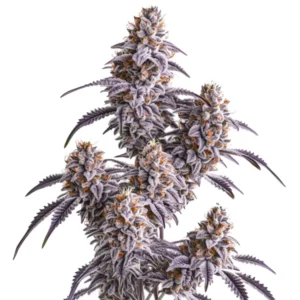
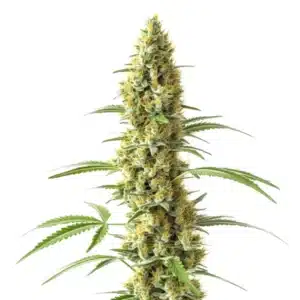
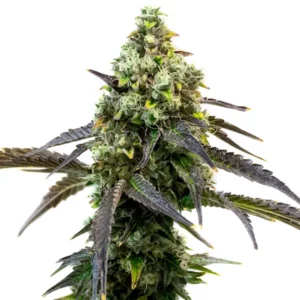
Fruity Pebbles

|
THC | 18% - 20% (Medium) |

|
Type | Feminized |

|
Yield | High |

|
Phenotype | 55% Indica / 45% Sativa |
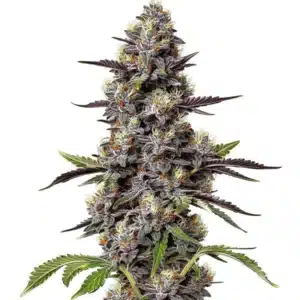
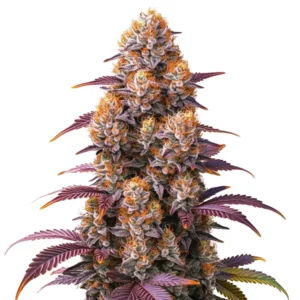
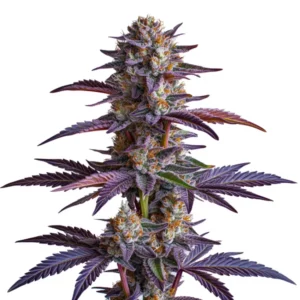
Critical Purple Kush
|
|
THC | 16% - 18% (Medium) |
|
|
Type | Feminized |
|
|
Yield | High |
|
|
Phenotype | 60% Indica / 40% Sativa |
The biological efficiency of H2O2 is driven by the enzyme Catalase. This enzyme, present in both plant tissues and many microorganisms, catalyzes the reaction 2H2O2 → O2 + 2H2O. For aerobic plants, this reaction provides life-sustaining oxygen. However, for anaerobic pathogens, the bacteria and fungi responsible for root rot and mold, the sudden release of pure oxygen is toxic. By introducing H2O2, you are effectively creating an environment where high-performance plant metabolism thrives while pathogenic invaders undergo oxidative stress and die.
Promos & Deals
How to Prevent Bud Rot and Mold on Weed Plants
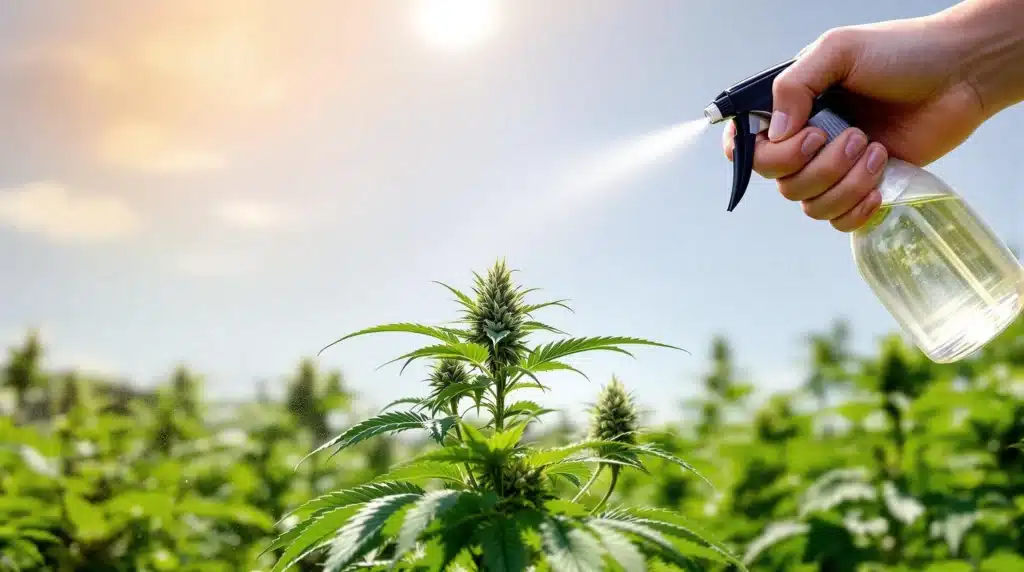
Prevention is the only reliable bud rot treatment. Botrytis cinerea (Grey Mold) thrives in environments with high relative humidity (>60%) and stagnant air. H2O2 serves as a preventative foliar spray by keeping the surface of the flower hostile to fungal spores. A 3% H2O2 solution diluted at a ratio of 3.5ml per liter of H2O creates an acidic, oxygen-rich film that prevents spores from germinating without damaging the delicate trichomes or the terpene profile of the maturing flower.
To prevent bud rot outdoors, especially during the “dawn dampness” or late-season rains, growers should apply a light H2O2 mist. This helps to rapidly dry out the internal structures of the cola. Because H2O2 evaporates into water and oxygen, it leaves zero chemical residue, making it far safer than synthetic fungicides during the late flowering stage. For how to get rid of mold on weed plants that are already affected, H2O2 can be used for “bud washing” post-harvest to neutralize spores before they spread during the drying process.
Technical Comparison: H2O2 vs. Alternatives
| Feature | H2O2 (3% Solution) | Potassium Bicarbonate | Synthetic Fungicides |
|---|---|---|---|
| Primary Action | Oxidation / O2 Boost | pH Alteration (Alkaline) | Systemic/Contact Toxin |
| Residue Level | Zero (H2O + O2) | Mineral Salts | High / Persistent |
| Root Health | Excellent (Adds O2) | Neutral/Slight pH Shift | May Harm Microbes |
| Application Timing | Any Stage | Pre-Harvest only | Vegetative only |
| Dissolved Oxygen | High Increase | None | None |
| Pathogen Target | Broad (Fungi/Bacteria) | Powdery Mildew | Specific Pathogens |
Maximizing Root Vitality and Nutrient Uptake
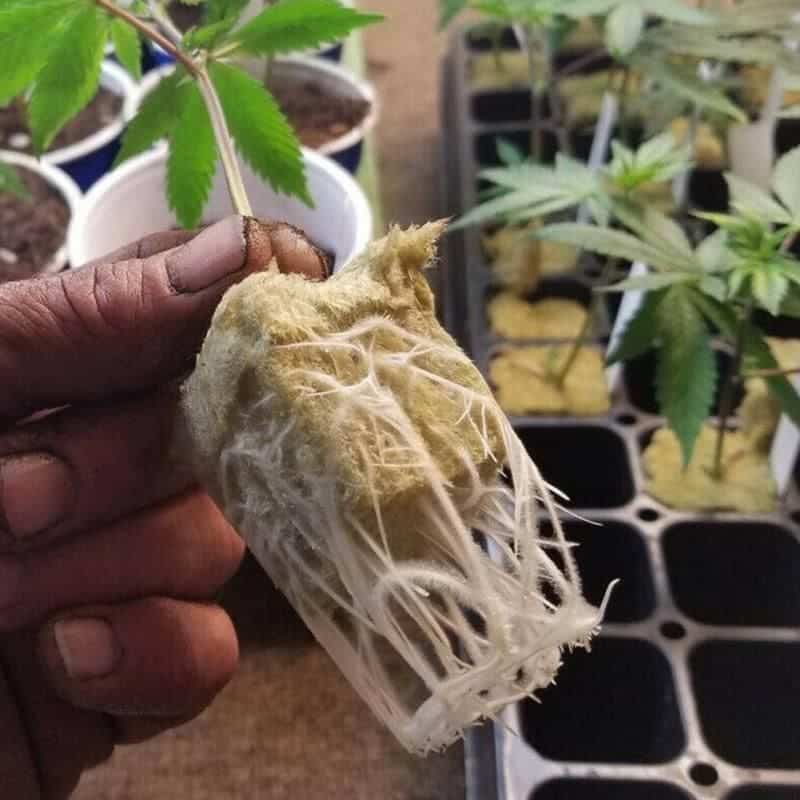
Dissolved oxygen (DO) is the “forgotten nutrient.” Roots require oxygen to drive ATP production, which fuels the active transport of ions like Nitrogen (N), Phosphorus (P), and Potassium (K) across cell membranes. In hydroponic systems or overwatered soil, DO levels often drop below 4mg/L, leading to root hypoxia. Adding H2O2 at technical concentrations (approx. 30-50 ppm) ensures DO levels remain near the saturation point (8-9mg/L at 20°C), significantly accelerating vegetative growth rates.
Temperature and salinity play critical roles here. Oxygen solubility is inversely proportional to temperature; as the nutrient solution warms above 24°C, the water’s ability to hold O2 collapses exponentially. By supplementing with H2O2, growers can mitigate the effects of heat stress. Furthermore, H2O2 microbubbles carry a negative charge that can help attract positively charged cation nutrients, acting as a delivery vehicle that increases the overall bioavailability of the feeding schedule.
Genetic Spotlight: High-Performance Strains
When using technical additives like H2O2, starting with elite genetics is paramount. Strains with high anthocyanin content, such as Fruity Pebbles or Critical Purple Kush, show a remarkable visual response to healthy root zones. Fruity Pebbles (Green Ribbon x Granddaddy Purple x Tahoe OG x Alien Kush) thrives when H2O2 is used to maintain a sterile reservoir, allowing its complex terpene profile, rich in Myrcene and Limonene, to develop fully without fungal interference.
For those prioritizing speed, Black Domina Fast Version offers a robust Indica structure that benefits from the increased dissolved oxygen H2O2 provides. This strain is particularly susceptible to the “couch-lock” effect, driven by its synergy of cannabinoids and terpenes. By ensuring root health with H2O2, the plant can focus its energy on resin production during its shortened 7-week flowering window, resulting in rock-hard, medical-grade colas.
Professional Tips from Master Growers
The 24-Hour Rule: After adding H2O2 to a reservoir, wait 24 hours before adding beneficial microbes or mycorrhizae. The initial oxidative burst will kill “good” bacteria just as easily as the bad.
The “Night Watch” Spray: Always apply H2O2 foliar sprays just before the lights turn off (indoors) or at dusk (outdoors). Intense light can cause H2O2 to react too quickly, potentially burning leaf tissue.
Reverse Osmosis Synergy: H2O2 is most effective in RO water. Tap water contains chlorine and dissolved solids that can prematurely degrade the H2O2 molecules, reducing its oxidative potential.
Substrate Sterilization: If recycling coco coir or perlite, a heavy flush with 10% H2O2 solution will effectively “reset” the medium by killing residual pathogens and breaking down old root matter.
Frequently Asked Questions
What is the best bud rot treatment during late flower?
The best treatment is to remove the infected tissue immediately with sterilized tools. Following removal, spray the remaining colas with a 3% H2O2 solution (diluted 1:10 with water). This oxidation process kills any lingering Botrytis spores on the surface, stopping the spread without leaving toxic residues that would affect the flavor or safety of the smoke.
How can I prevent bud rot outdoors in humid climates?
To prevent bud rot outdoors, focus on airflow and canopy management. Use H2O2 as a preventative spray after heavy rains or during periods of high morning fog. Additionally, shaking the plants to remove physical water droplets and ensuring they are in a location that receives early morning sun will significantly reduce the window of opportunity for fungal growth.
Is salvaging bud rot-affected colas possible?
Salvaging bud rot is highly discouraged for consumption due to the health risks of inhaling mold spores. However, if the infection is caught early, you can cut 2-3 inches below the visible mold. Treat the rest of the plant with H2O2. Only colas with zero visible mycelium should be kept, and they must be dried in an environment with less than 45% humidity.
Does hydrogen peroxide for cannabis affect the flavor of the buds?
When used at proper dilutions (3% or less), H2O2 does not affect the flavor. It evaporates into pure water and oxygen. In fact, by preventing mold and breaking down excess chlorophyll during a pre-harvest flush, H2O2 can actually lead to a smoother, cleaner-tasting product by removing organic impurities and surface pathogens.