How To Grow Northern Lights Strain

Summary Quick: Northern Lights, a near-pure indica strain, is celebrated for its calming effects and robust growth. With THC levels ranging from 15% to 25%, it offers a potent experience ideal for stress relief and insomnia. Its adaptability in various environments makes it a favorite among growers. Experts highlight its Afghani and Thai lineage as key to its legendary status.
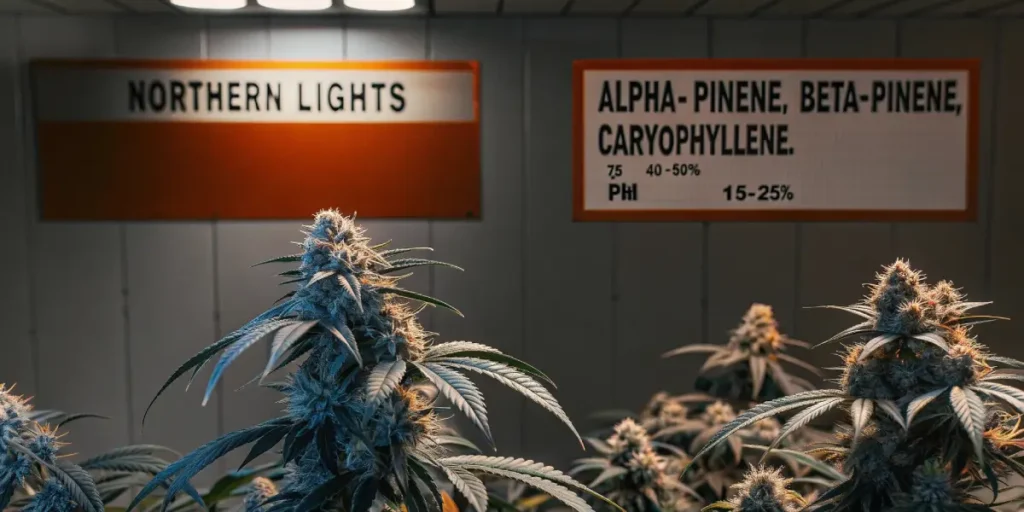
Northern Lights is a staple indica-dominant strain, cherished for its unique terpene profile and rapid flowering time. Its aroma is marked by earthy and piney notes, thanks to terpenes like Myrcene and Caryophyllene. Typically flowering in 8-10 weeks, this strain is perfect for both indoor and outdoor cultivation, offering a balanced growth cycle and rewarding yields.
Recommended Strains

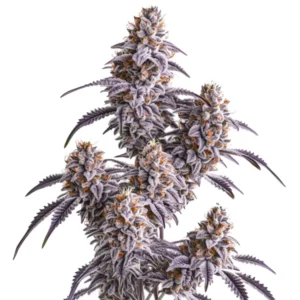
Northern Lights

|
THC | 17% (Medium) |

|
Type | Feminized |

|
Yield | High |

|
Phenotype | 90% Indica / 10% Sativa |

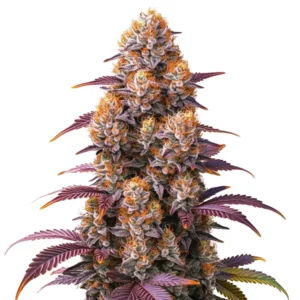
Northern Lights #10
|
|
THC | 20% - 25% (High) |
|
|
Type | Feminized |
|
|
Yield | High |
|
|
Phenotype | 75% Indica / 25% Sativa |
Northern Lights Strain Overview
Origin and Genetics
Northern Lights boasts a rich genetic heritage, combining Afghani and Thai landraces. This blend creates a robust indica-dominant strain known for its resilience and adaptability. The Afghani lineage contributes to its dense bud structure, while the Thai genetics add a subtle sativa influence, enhancing its euphoric effects.
The strain’s genetic stability is reflected in its consistent growth patterns and high THC content, typically ranging from 15% to 25%. This makes Northern Lights a reliable choice for both recreational and medicinal users seeking potent effects.
Afghani genetics provide a strong foundation for Northern Lights, contributing to its resilience against environmental stressors. This strain’s adaptability is further enhanced by its Thai lineage, which imparts a mild sativa influence, adding a touch of euphoria to its otherwise deeply relaxing effects. The combination of these genetics results in a plant that thrives in various conditions, making it a favorite among growers worldwide.
Effects and THC Content
Northern Lights is renowned for its deeply relaxing effects, making it ideal for unwinding after a long day. The high THC levels, often between 15% and 25%, ensure a potent body high that alleviates stress and promotes sleep. This strain is also favored for its ability to ease chronic pain and insomnia.
Its effects are complemented by a mild cerebral uplift, providing a balanced experience that combines relaxation with a touch of euphoria. This makes Northern Lights versatile for various occasions, whether for relaxation or therapeutic use.
The interaction of THC with the endocannabinoid system plays a crucial role in Northern Lights’ effects. THC binds to CB1 receptors in the brain, leading to the release of dopamine, which contributes to the euphoric sensation. Additionally, the presence of Myrcene enhances the permeability of cell membranes, facilitating THC uptake and intensifying the strain’s effects. This synergy between cannabinoids and terpenes is a key factor in the strain’s popularity.
Promos & Deals
Growing Northern Lights Indoors
Environmental Requirements
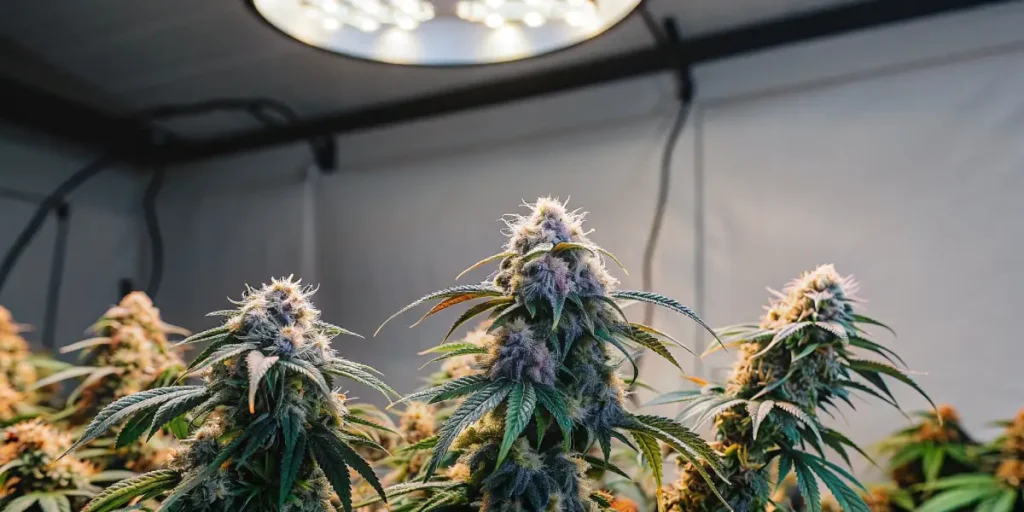
For optimal indoor growth, maintain temperatures between 70-80°F (21-27°C) during the day, with slightly cooler nights. This mimics its natural habitat, promoting healthy growth. Humidity should be kept at 40-50% during the vegetative stage, dropping to 30-40% during flowering to prevent mold.
Proper ventilation is crucial to prevent heat buildup and ensure fresh air circulation. Use fans to maintain airflow and prevent stagnant air, which can lead to moisture issues and pest infestations.
Maintaining a stable environment is essential for maximizing Northern Lights’ potential. During the vegetative stage, a humidity level of 60-70% is optimal, as it encourages vigorous growth. As the plant transitions to flowering, reducing humidity to 40-50% helps prevent mold and bud rot. The temperature drop at night should be around 8-11°C (15-20°F) lower than daytime temperatures to mimic natural conditions and promote robust flowering.
Nutrient and Feeding Guide
Northern Lights thrives with a nutrient regimen tailored to its growth stages. During the vegetative phase, use a fertilizer high in nitrogen (N:P:K ratio of 3:1:2) to support leaf and stem development. Transition to a bloom formula with higher phosphorus and potassium (N:P:K ratio of 1:3:2) during flowering.
Monitor pH levels closely, keeping them between 6.0-6.5 for optimal nutrient absorption. Overfeeding can lead to nutrient burn, while underfeeding may result in deficiencies, affecting yield and potency.
During the vegetative phase, the plant’s demand for nitrogen is high, as it supports the development of foliage and stems. As Northern Lights enters the flowering phase, the focus shifts to phosphorus and potassium, essential for bud formation and density. Maintaining a soil pH of 6.5 ensures optimal nutrient uptake, preventing issues such as nutrient lockout, which can severely impact growth and yield.
| Feature | Northern Lights | Grape Ape | Big Bud |
|---|---|---|---|
| THC Content | 15-25% | 18-22% | 16-20% |
| Flowering Time | 8-10 weeks | 7-8 weeks | 7-9 weeks |
| Yield | 1.5-1.8 oz/ft² (450-550 g/m²) | 1.2-1.5 oz/ft² (350-450 g/m²) | 1.8-2.2 oz/ft² (500-600 g/m²) |
| Terpene Profile | Myrcene, Caryophyllene | Limonene, Myrcene | Caryophyllene, Humulene |
| Resistance | High | Medium | High |
Professional Tips for Growing Northern Lights
- Maintain 58-62% RH during curing to preserve terpenes. Below 55% can halt terpene development, while above 65% risks mold. Use a digital hygrometer for accuracy.
- Use a 12/12 light schedule during flowering to ensure proper bud development. Deviations can stress the plant, reducing yield and potency.
- Monitor soil pH between 6.0-6.5 for nutrient uptake. Incorrect pH can lead to nutrient lockout, affecting growth.
- Ensure temperatures remain between 70-80°F (21-27°C) during vegetative growth. Fluctuations can stress plants, leading to stunted growth.
- Apply low-stress training (LST) to maximize light exposure and improve yield. Avoid high-stress techniques that can stunt growth.
- Check for pests weekly and use organic solutions if needed. Neglecting pest control can lead to infestations, damaging crops.
Implementing a strict 12/12 photoperiod during flowering is crucial for Northern Lights. This simulates the natural light cycle, triggering the plant’s flowering phase. Any deviation can confuse the plant, leading to hermaphroditism or reduced yields. Additionally, low-stress training techniques, such as bending and tying down branches, can enhance light penetration and increase bud sites, ultimately improving yield and potency.
FAQs About Northern Lights Strain
Is Northern Lights a sativa or indica?
Northern Lights is predominantly an indica strain, known for its deeply relaxing effects. It typically features THC levels between 15% and 25%, making it ideal for stress relief and insomnia. Its indica dominance is evident in its dense bud structure and soothing body high, perfect for nighttime use.
Why is the Northern Lights strain so good?
Northern Lights is celebrated for its potent effects and robust growth. With THC levels ranging from 15% to 25%, it offers a powerful body high. Its Afghani and Thai genetics contribute to its resilience and adaptability, making it a favorite among both novice and experienced growers.
Is Northern Lights a heavy feeder?
Northern Lights is not considered a heavy feeder but requires balanced nutrition. During vegetative growth, a nitrogen-rich fertilizer is ideal, while a bloom formula is best during flowering. Monitor nutrient levels closely to avoid deficiencies or toxicities, ensuring optimal growth and yield.
Who made the Northern Lights strain?
The Northern Lights strain was developed in the 1980s by a breeder known as “The Indian” in the Pacific Northwest. Its genetics combine Afghani and Thai landraces, creating a robust indica-dominant strain known for its potent effects and adaptability in various growing environments.
What terpenes are in Northern Lights?
Northern Lights features Myrcene and Caryophyllene as dominant terpenes. Myrcene (0.8-1.2%) contributes to its earthy aroma and enhances THC uptake. Caryophyllene (0.4-0.7%) adds a spicy note and interacts with CB2 receptors, offering anti-inflammatory benefits. These terpenes enhance both the sensory and physiological effects of the strain.