How to Grow Rainbow Mac

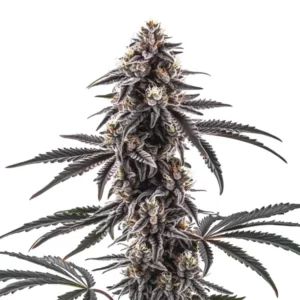
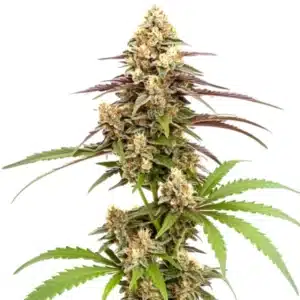
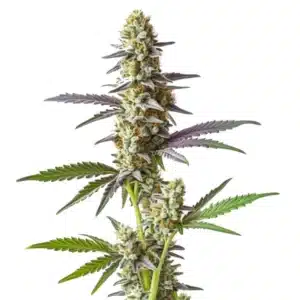
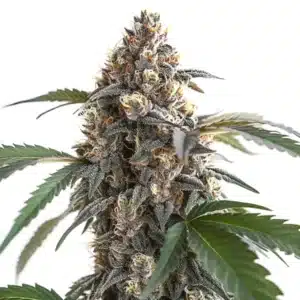
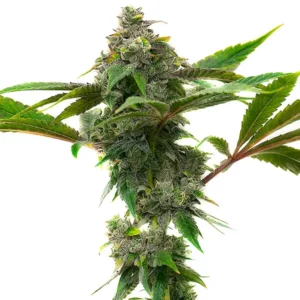
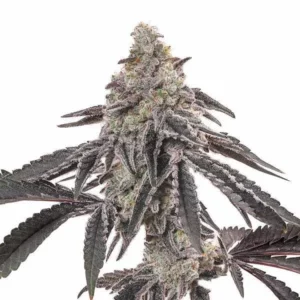
Rainbow Mac, also sold as MAC x Rainbow, is a potent, colourful sativa-leaning hybrid prized for its heavy yields and rich, fruity flavour. It carries a high 22–26% THC, a citrus, fruity, spicy, sweet and woody profile, and an energetic, euphoric, happy effect, on a tall, productive plant grown from regular seeds.
Built from MAC1 crossed with Rainbow Chip, this is a 60% sativa, 40% indica regular strain with elite modern genetics. The result is a vigorous, high-THC plant with dense, resinous, often colourful buds, pairing the gassy potency of MAC1 with the sweet, fruity character of Rainbow Chip.
Recommended Strains

MAC x Rainbow Regular

|
THC | 22% - 26% (High) |

|
Type | Regular |

|
Yield | High |

|
Phenotype | 40% Indica / 60% Sativa |

Rainbow Kush
|
|
THC | 17% - 22% (Medium) |
|
|
Type | Feminized |
|
|
Yield | Medium |
|
|
Phenotype | 50% Indica / 50% Sativa |
Because it is potent, productive and full of flavour, Rainbow Mac is a rewarding grow for those who enjoy working with regular seeds. You can see the full genetics and buy Rainbow Mac (MAC x Rainbow) seeds on the strain page.
Strain Profile at a Glance
| THC | 22–26% (high) |
|---|---|
| Lineage | MAC1 x Rainbow Chip |
| Type | Regular |
| Genetics | 40% Indica / 60% Sativa |
| Climate | Dry / warm |
| Flowering time | 10–12 weeks |
| Harvest | November |
| Height | 4.92 ft / 1.5 m |
| Yield | Heavy |
| Yield indoor | 1.47–1.64 oz/ft² (450–500 g/m²) |
| Yield outdoor | 28.22–38.8 oz/plant (800–1100 g/plant) |
| Grow difficulty | Moderate (regular seeds) |
| Flavors | Citrus, Fruity, Spicy, Sweet, Woody |
| Effects | Energetic, Euphoric, Happy |
Promos & Deals

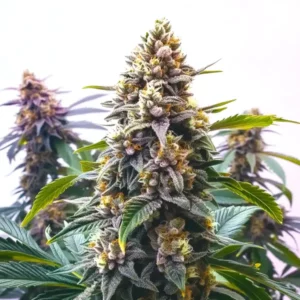
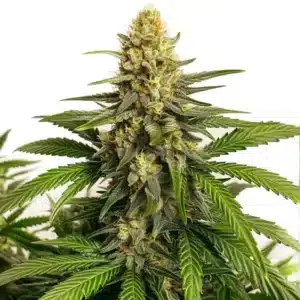
A High-THC, Heavy-Yielding Hybrid
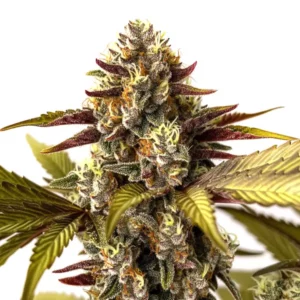
Rainbow Mac sits firmly among our high-THC seeds, running a potent 22–26% and delivering an energetic, euphoric high. It inherits that power from MAC1, a famously gassy, resinous cultivar, while the Rainbow Chip side brings sweetness, fruit and the colourful tones that give the strain its name.
For a grower, the standout traits are potency and yield. Outdoors it can be a genuinely huge producer, and its dense, trichome-heavy buds make excellent flower and concentrate. It is a longer-flowering, sativa-leaning plant, so it rewards growers who can give it a little room and patience.
Climate and Where to Grow It
Rainbow Mac does best in a dry, warm climate with strong light and good airflow, which suits its gassy, resinous buds and long bloom. It performs both outdoors in a long, warm season and in a controlled indoor tent, reaching a tall 1.5 m with the stretch you would expect from a sativa-leaning hybrid.
Outdoors it finishes late, around November, so it needs a long season and is best where autumns stay dry; a single plant can bring in an enormous 800–1100 g in the right conditions. Indoors it produces a strong 450–500 g/m². Keep airflow steady and humidity moderate as the dense buds fill in over its extended flowering.
Indoors, aim for daytime temperatures around 72–82°F (22–28°C), keep the air on the drier side, and maintain good circulation through the tall canopy. Because it stretches and yields heavily, plan for height and give the branches support so they can carry the weight of the long bloom.
Working with Regular Seeds
Rainbow Mac comes as regular seeds, which means each plant can grow into either a male or a female. That is different from feminized seeds, so part of the grow is identifying the sex early in flowering and removing the males if your goal is a harvest of smokable, seedless buds.
For most growers that means watching the pre-flowers closely once you flip the lights, then culling the males before they release pollen. For breeders, though, regular seeds are a real advantage: keeping healthy males lets you preserve and work with this MAC1 and Rainbow Chip cross, which is exactly why regular seeds are so prized.
Flowering and Feeding
As a photoperiod plant, Rainbow Mac flowers on a light change rather than on age. Grow it under a long day (around 18 hours of light) through the vegetative stage, then switch to a 12/12 cycle to trigger flowering. It is a longer-flowering strain, taking about 10–12 weeks of bloom in exchange for its heavy, high-THC harvest.
It is a vigorous, productive plant, so feed it steadily through its extended bloom. Start low, build up as the plant asks for more, and taper off for a plain-water flush in the final week or two so the bright citrus and sweet flavour comes through clean. The EC guide below is a solid starting point.
| Stage | EC (mS/cm) | Notes |
|---|---|---|
| Seedling | 0.4–0.6 | Very light feed, focus on healthy root growth |
| Vegetative growth | 0.8–1.2 | Build the frame, raise nitrogen gradually |
| Early flower | 1.2–1.4 | Shift toward bloom nutrients (P and K) |
| Full flower | 1.4–1.6 | Peak bloom feed while the dense buds swell |
| Flush | 0.0–0.4 | Plain water for the final 1–2 weeks |
Harvest, Drying and Curing
Harvest when most trichomes have turned milky-cloudy with a few amber heads, which usually lands around 10–12 weeks of bloom, late in the outdoor season. Run a short plain-water flush in the last week or two before you cut, which keeps the smoke smooth and lets the citrus-sweet flavour shine.
Dry whole plants or branches in a dark room at around 60°F (15–18°C) and 55–60% humidity for 7–14 days, until the thin stems snap rather than bend. Then cure the trimmed buds in sealed jars, burping them daily for the first week and letting them settle for three to four weeks, which deepens the fruity aroma and smooths the smoke.
What to Do With Your Trim
Don’t bin the sugar leaves you remove while manicuring. Rainbow Mac is a frosty, high-THC plant, so the trim is excellent for dry sift, bubble hash or rosin, giving you a bonus run of gassy, fruity concentrate from material most growers would otherwise throw away, and a big plant leaves plenty of it.
Flavor and Terpenes
Rainbow Mac has a bright, fruity flavour with citrus and sweetness over a spicy, woody base, a rich and layered profile that lives up to its colourful name. It is a complex, moreish taste rather than a one-note one, and it carries beautifully through a careful cure.
It carries a focused terpene stack, and all four of its terpenes shape the flavour. Limonene drives the bright citrus; carene adds a sweet, fruity lift; caryophyllene brings the peppery spice; and humulene grounds the whole thing with an earthy, woody depth that balances the sweeter top notes.
Effects and Best Use
With its sativa-leaning genetics, Rainbow Mac is reported as energetic, euphoric and happy, an upbeat, uplifting character with a bright, feel-good edge. It leans toward daytime and social use, giving a lively, creative lift rather than a heavy, couch-bound finish, with just enough indica to keep it comfortable.
At a potent 22–26% THC it hits hard, so a little goes a long way, especially for less experienced users. That strength, the huge outdoor yield, the colourful buds and the rich citrus-fruit flavour are exactly why growers seek out Rainbow Mac.
Common Problems and Pro Tips
The first thing to plan for with Rainbow Mac is the regular seeds themselves: because plants can be male or female, your main job early in bloom is to check pre-flowers and pull the males before any pollen is released, unless you are deliberately breeding. Isolating a chosen male well away from your flowering females keeps a seedless crop clean while still letting you work with this MAC1 and Rainbow Chip line.
Its long, sativa-leaning bloom and huge outdoor potential are the other things to manage. At 10–12 weeks of flower and finishing around November outdoors, it needs a long, dry season; a wet, cold autumn late in that window is the main risk, so it is best in warm, dry conditions or under cover. The enormous 800–1100 g outdoor plants also put real strain on the branches, so give it space and stake or net it early.
As a pro tip, lean into training to handle the stretch: topping or low-stress training early spreads the tall canopy, improves light and airflow, and makes the big colas easier to support. Keep the feed steady but not excessive over the long bloom, watch the trichomes rather than the calendar as harvest nears, and give it a clean plain-water flush at the end so the bright citrus-sweet flavour comes through at its best.

FAQ
Are Rainbow Mac seeds feminized?
No. Rainbow Mac comes as regular seeds, so each plant can grow male or female. For a harvest of seedless buds, identify the sex early in flowering and remove the males before they pollinate. If you plan to breed, those males let you preserve this MAC1 and Rainbow Chip cross.
How strong is Rainbow Mac?
Rainbow Mac is a genuinely high-THC strain, testing between 22% and 26%, which puts it among the more potent hybrids you can grow. That strength drives an energetic, euphoric, happy high, so a little goes a long way and less experienced users should start with a small amount and build up slowly.
How long does Rainbow Mac take to flower?
It is a longer-flowering strain, running about 10–12 weeks once you switch to a 12/12 light cycle, with outdoor plants finishing late, around November. That extra bloom time reflects its sativa-leaning genetics, so plan for some patience in exchange for its heavy, high-THC, colourful harvest.
Is Rainbow Mac indica or sativa?
It is sativa-leaning, at roughly 60% sativa and 40% indica, which it inherits from its MAC1 and Rainbow Chip parents. That shows in a tall, productive plant and an energetic, euphoric, happy effect, with enough indica to round the high out and keep it from feeling purely racy.
How much does Rainbow Mac yield?
It is a heavy producer, giving around 450–500 g/m² indoors and an enormous 800–1100 g per plant outdoors in a good, dry climate. Those big outdoor numbers suit a large plant with plenty of room, so give it space, support the colas, and let the long bloom run its full course.
What does Rainbow Mac taste like?
Expect a bright, fruity flavour with citrus and sweetness over a spicy, woody base, a rich and layered profile. Limonene drives the citrus, carene adds a sweet, fruity lift, caryophyllene brings the peppery spice, and humulene grounds it with an earthy, woody depth underneath.