How to Grow Purple Haze Strain

Quick Guide: To grow Purple Haze strain successfully, maintain a warm climate (70-80°F) and provide high-intensity light (PAR 600-900 during flower). This Sativa-dominant legend requires 8-10 weeks to flower, rewarding growers with cerebral energy and deep purple, trichome-heavy buds.
Guide to Grow Purple Haze Strain
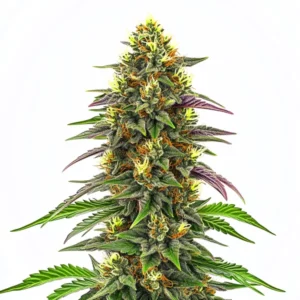
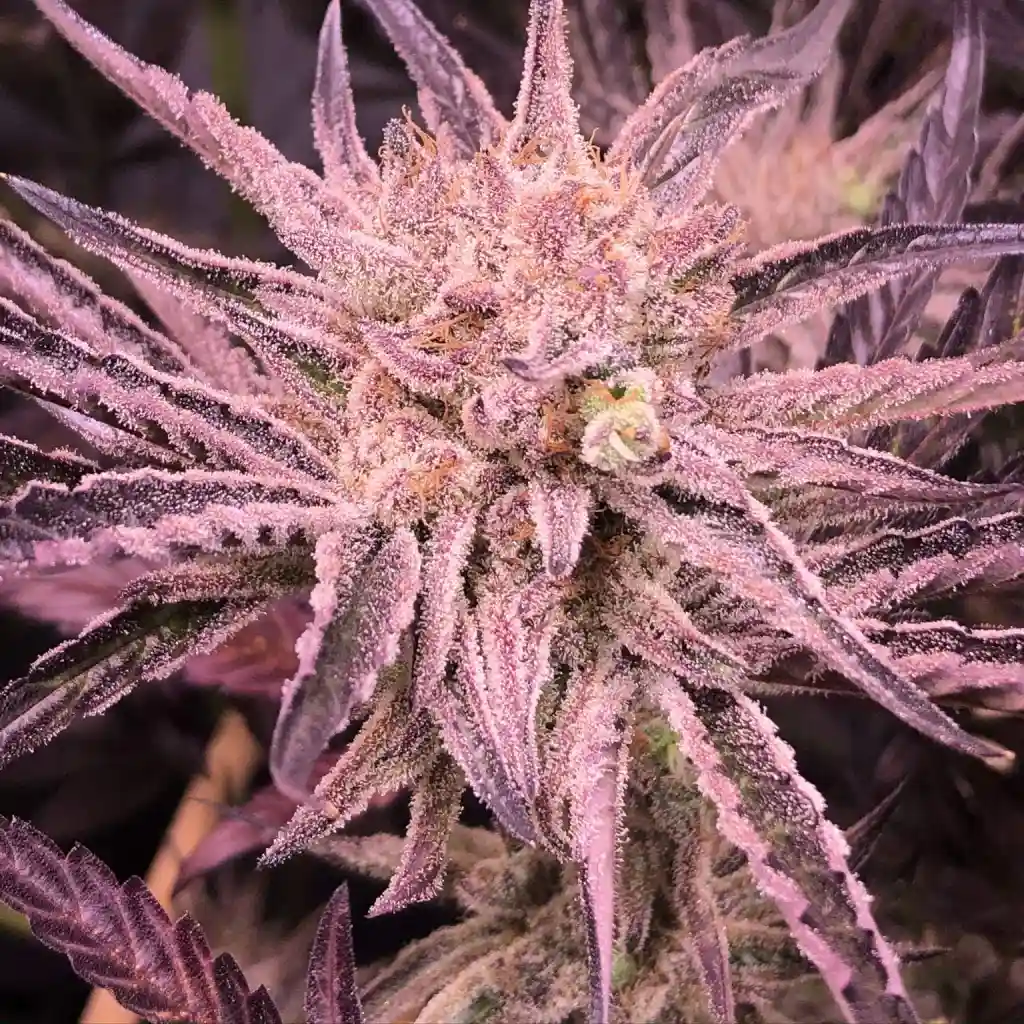
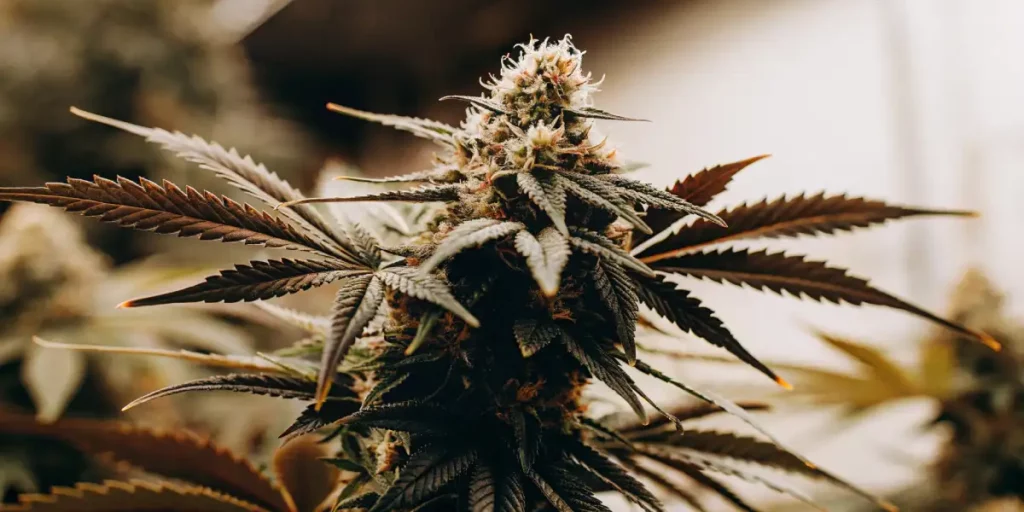
The journey to grow Purple Haze strain is a rite of passage for many cultivators. This Sativa-dominant hybrid, a cross between Haze and Purple Thai, is world-famous for its striking violet color and soaring cerebral effects. Biologically, the purple hues are caused by anthocyanins, pigments that emerge when the plant is exposed to slightly cooler nighttime temperatures during the late flowering stage.
Recommended Strains

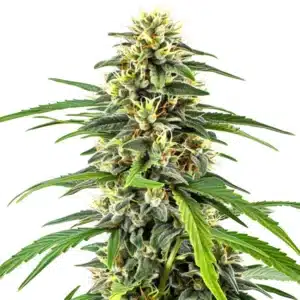
Purple Haze

|
THC | 14% - 18% (Medium) |

|
Type | Feminized |

|
Yield | Medium |

|
Phenotype | 40% Indica / 60% Sativa |

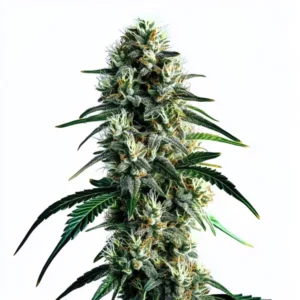
Purple Haze Autoflower
|
|
THC | 14% - 16% (Medium) |
|
|
Type | Autoflowering |
|
|
Yield | High |
|
|
Phenotype | 20% Indica / 80% Sativa |
When you start with high-quality purple haze seeds, you are securing genetics designed for vigor and resin production. This strain is known for its long, dense colas and a complex terpene profile dominated by Myrcene (earthy), Caryophyllene (spicy), and Limonene (citrus). Together, these compounds create the “Entourage Effect,” providing an energetic high that stimulates creativity without the heavy sedation found in pure Indica varieties.
Promos & Deals




Ideal Environment for Purple Haze Cannabis Seeds
To maximize the potential of your purple haze cannabis seeds, you must focus on light intensity and air quality. Indoors, aim for a Photosynthetic Photon Flux Density (PPFD) of 400-600 μmol/m²/s during the vegetative stage, increasing to 800+ μmol/m²/s during flowering. This ensures the plant has enough energy to build its massive floral structures.
Airflow is the second critical factor. Because the purple haze plant produces very dense buds, it is susceptible to Botrytis (bud rot). Keep your Relative Humidity (RH) between 40-50% during the final weeks of bloom. Using carbon filters is mandatory, as purple haze weed produces a pungent, skunky aroma mixed with sweet berries that can easily fill a building.
Technical Comparison: Purple Haze vs. Sativa Competitors
| Feature | Purple Haze | Blue Dream | Super Silver Haze |
|---|---|---|---|
| Genetics | Haze x Purple Thai | Blueberry x Haze | Skunk x Northern Lights x Haze |
| Flowering Time | 8 – 10 Weeks | 8 – 10 Weeks | 8-10 Weeks |
| Primary Terpenes | Myrcene, Caryophyllene | Myrcene, Caryophyllene | Terpinolene, Limonene |
| Average Height | 6.56 ft | 2 m | 6.56 ft | 2 m | 4.92 ft | 1.5 m |
| Difficulty | Moderate | Easy | Hard |
| Visual Profile | Deep Violet/Purple | Light Green/Blue tint | Silver/Frosty Green |
Nutrient Protocols for Purple Haze Strain Seeds
During the vegetative phase, purple haze strain seeds require a high Nitrogen (N) ratio to build the “solar panels” (leaves) needed for photosynthesis. A target NPK ratio of 3-1-2 is ideal. However, once you switch to the 12/12 light cycle to induce flowering, the plant’s metabolism shifts. You must transition to a Bloom formula with higher Phosphorus (P) and Potassium (K), such as a 1-3-2 ratio.
Be careful with over-fertilization. Sativa-dominant plants like the purple haze weed strain can be sensitive to salt buildup. Always aim for a 10-20% runoff when watering to flush out residual minerals. If leaf tips turn brown and curl (Nutrient Burn), immediately flush with pH-balanced water (6.0-6.5) for two days before resuming a lighter feeding schedule.
Advanced Training for the Purple Haze Plant
Because the purple haze plant can stretch significantly during the first three weeks of flower, training is essential for indoor growers. Low-Stress Training (LST) involves gently bending the main stem and side branches to create a flat canopy. This ensures that every bud site receives equal light intensity, preventing “popcorn buds” at the bottom of the plant.
For more experienced growers, Supercropping can be used to strengthen the branches. By slightly crushing the inner tissue of a branch (without snapping the outer skin), you create a “knuckle” that improves nutrient transport. This technique also helps manage height, keeping your purple haze marijuana seeds from growing too close to your LED or HPS lamps.
Strict Pest and Disease Protocol
Protecting your purple haze cannabis involves a multi-layered defense strategy:
- Weekly Neem Oil Foliar: Use only during the vegetative stage to repel spider mites and aphids.
- Yellow Sticky Traps: Place these at the base of your purple haze weed seeds to monitor for fungus gnats.
- Predatory Mites: Introduce Phytoseiulus persimilis if you detect any webbing on your plants.
- Zero Light Leaks: Ensure your grow room is 100% dark during the 12-hour “off” cycle to prevent the purple haze strain from turning into a hermaphrodite due to stress.
Professional Tips from Elite Cultivators
- The 60-Degree Flush: In the last week of flower, drop your reservoir temperature to 60°F. This cold shock encourages the purple haze weed strain to produce maximum anthocyanins, resulting in deep, dark purple buds.
- UVB Supplementation: Adding 2 hours of UVB light daily during weeks 6-8 of flower can increase trichome density by up to 15%.
- Slow Cure for Terpenes: Never dry your buds in less than 7 days. A slow 10-day dry at 60°F/60% RH preserves the delicate Limonene and Myrcene terpenes.
- Silica for Strength: Add liquid silica to your feeding regimen to help branches support the heavy weight of purple haze cannabis colas.
What is the best soil for growing Purple Haze strain seeds?
The best soil is a light, organic mix with high porosity. Combine 60% high-quality potting soil with 20% perlite and 20% coco coir. This mix allows the purple haze plant roots to access oxygen easily while maintaining enough moisture to transport essential nutrients like Phosphorus and Magnesium.
How much light does Purple Haze seeds need during the vegetative phase?
During vegetation, purple haze seeds need 18-20 hours of light. If using LEDs, maintain a distance of 18-24 inches to avoid light stress. Providing a robust light cycle ensures the plant develops a thick stalk capable of supporting the large, resinous buds that define the purple haze strain.
How long does the flowering phase of Purple Haze seeds last?
The flowering phase typically lasts 8 to 10 weeks. You should start checking trichomes around day 55. For the most energetic “Haze” effect, harvest when most trichomes are cloudy. If you prefer a more relaxing stone, wait until about 15-20% of the trichomes have turned an amber color.
What are the medicinal benefits of this strain?
Purple Haze weed is frequently used by patients seeking relief from chronic stress, depression, and fatigue. The high Limonene content provides an anti-anxiety effect, while the Sativa dominance offers the “focus” many medical users need to stay productive during the day without the lethargy associated with other strains.