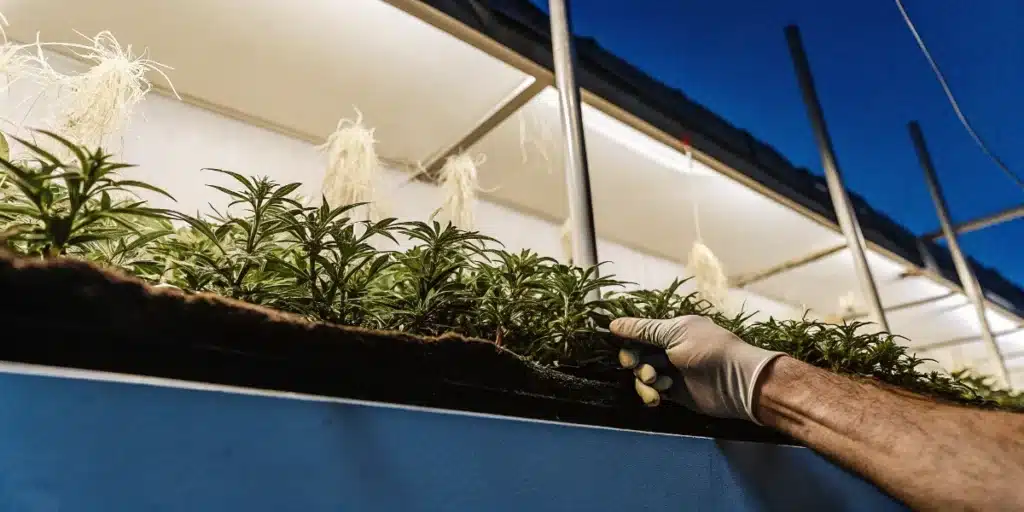
How to Get Rid of Green Algae in Hydroponics: A Complete Guide

Effective Algae Control: Green algae in hydroponics can disrupt nutrient absorption and plant growth. To manage this, utilize natural solutions like hydrogen peroxide and vinegar. These methods are reported by experienced growers to reduce algae presence by up to 90%, ensuring plant health without chemical damage. Regular system maintenance and light management are also crucial for prevention.
Hydroponic systems offer a controlled environment for optimal plant growth, yet green algae can pose a significant challenge. These organisms thrive in nutrient-rich water, potentially reducing oxygen levels and affecting plant health. By focusing on light and nutrient balance, you can effectively manage algae and maintain a thriving system.
Recommended Strains

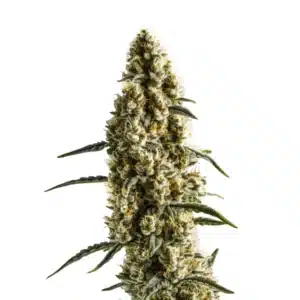
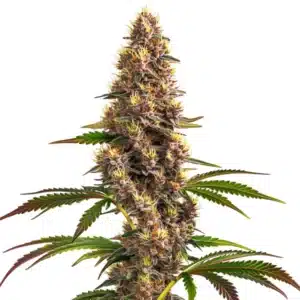
Wedding Cake

|
THC | 17% - 23% (Medium) |

|
Type | Feminized |

|
Yield | High |

|
Phenotype | 60% Indica / 40% Sativa |

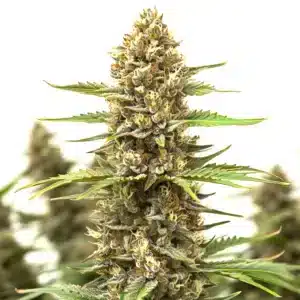
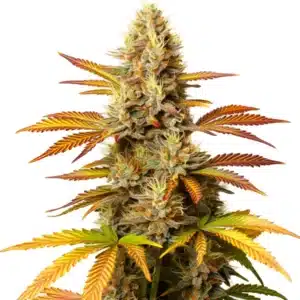
Blue Dream
|
|
THC | 17% - 24% (High) |
|
|
Type | Feminized |
|
|
Yield | High |
|
|
Phenotype | 50% Indica / 50% Sativa |
Green Algae in Hydroponics: Challenges and Solutions
Is Algae Bad for Hydroponics?
Algae in hydroponics can be a double-edged sword. While not inherently harmful, excessive growth can deplete oxygen levels, hindering plant root development. Algae compete with plants for nutrients and can clog system components, leading to reduced efficiency. In systems with high nutrient concentrations, algae can proliferate rapidly, affecting overall plant health.
Experienced growers note that algae thrive in light-rich environments, especially when nutrient levels are high. Maintaining a light intensity of 400-600 µmol/m²/s can help manage algae growth. Additionally, keeping nutrient levels balanced, with an N:P:K ratio of 3:1:2 during the vegetative stage, can reduce algae proliferation.
Practical Implications of Algae Presence
Algae can cause significant issues in hydroponic systems by blocking light and reducing water flow. This can lead to increased maintenance and potential crop loss. Regular monitoring of pH levels, ideally between 5.5 and 6.5, can help in managing algae growth. Algae on hydroponic sponge surfaces should be cleaned promptly to prevent spread.
To mitigate algae issues, ensure that your system is light-tight, as light leaks can encourage algae growth. Utilize reflective materials to direct light towards plants rather than the nutrient solution. Many cultivators share that a proactive approach in monitoring and adjusting environmental conditions is key to preventing algae proliferation.
Promos & Deals


How to Get Rid of Green Algae in Hydroponics
Using Hydrogen Peroxide to Kill Algae
Hydrogen peroxide is a popular choice among hydroponic growers for controlling algae. It works by releasing oxygen when it breaks down, effectively oxidizing algae cells. A concentration of 3% hydrogen peroxide can be used at a rate of 3 ml per gallon of water. This method is effective without causing harm to plants when used correctly.
Many cultivators report that hydrogen peroxide can reduce algae presence significantly. However, it should be used with caution as excessive use can harm beneficial microbes. Regular application every 5-7 days can maintain a clean system. Always monitor plant response to ensure no adverse effects.
Cleaning Hydroponic Systems with Vinegar
Vinegar, a natural cleaning agent, can be used to clean hydroponic systems and control algae. Its acidic nature helps dissolve algae buildup on surfaces. A solution of 1 part vinegar to 10 parts water can be used to wipe down system components. This method is safe for plants and can be used regularly.
While vinegar is effective for surface cleaning, it should not be added directly to the nutrient solution. Experienced growers recommend using vinegar for periodic deep cleaning of system parts. This helps prevent algae from establishing a foothold, maintaining system efficiency.
| Feature | GG4 | Blue Dream | Wedding Cake |
|---|---|---|---|
| THC Content | 27% | 17-24% | 17-3% |
| Dominant Terpene | Humulene | Myrcene | Limonene |
| Yield Indoor | 1.64 – 1.97 oz/ft² | 1.97 oz/ft² | 1.47 – 1.64 oz/ft² |
| Flowering Time | 8-10 weeks | 8-10 weeks | 8-9 weeks |
| Effect | Happy, Relaxed, Talkative | Happy, Relaxed, Talkative | Happy, Relaxed, Talkative |
Preventing Algae Growth in Indoor Hydroponics
Algae on Hydroponic Sponge: What to Do
If you notice algae on your hydroponic sponge, it’s crucial to act quickly. Algae can block water flow and reduce oxygenation, impacting plant health. Remove the sponge and clean it with a mild bleach solution, then rinse thoroughly. This prevents algae from spreading further in your system.
Effective strategies for preventing algae growth in indoor hydroponics include maintaining proper light levels and ensuring that the system is sealed against light leaks. Regularly inspect your system for algae presence and clean components as needed. This proactive approach helps maintain a healthy growing environment.
Light Management and System Design
Light management is critical in preventing algae growth. Use opaque materials to cover nutrient solutions and prevent light penetration. Ensure your grow lights are positioned to illuminate plants, not the solution. This reduces the chance of algae growth while maximizing plant photosynthesis.
Design your system with proper drainage and aeration to discourage algae. Many cultivators share that incorporating an air stone can improve oxygen levels, reducing conditions favorable to algae. Regularly check and adjust your system to maintain optimal conditions for plant growth.
Community Insights: Tips from Reddit and More
Reddit Tips for Algae Control
Gain insights from Reddit on how to get rid of green algae in hydroponics. Users recommend using black-out materials to cover reservoirs and employing beneficial bacteria to outcompete algae. These methods are shared by many growers as effective strategies for long-term algae management.
Special considerations for aquariums when dealing with green algae include using UV sterilizers and maintaining a balance of beneficial organisms. These techniques help control algae without disrupting the aquatic environment. Regular monitoring and adjustments are key to success.
Additional Community Recommendations
Community insights highlight the importance of regular system cleaning and maintenance. Cleaning hydroponic systems with vinegar, as suggested by experienced growers, can help prevent algae buildup. Additionally, maintaining a consistent nutrient schedule and monitoring water quality are crucial for preventing algae.
Engage with online forums and communities to learn from other growers’ experiences. This can provide valuable insights and new strategies for managing algae in your hydroponic system. Sharing knowledge within the community fosters innovation and effective problem-solving.
Professional Tips for Algae Management
- Maintain light levels at 400-600 µmol/m²/s to reduce algae growth. Excessive light can encourage algae proliferation.
- Use hydrogen peroxide at 3 ml per gallon for effective algae control. Avoid overuse to prevent harm to beneficial microbes.
- Regularly clean system components with a vinegar solution to prevent algae buildup.
- Ensure your system is light-tight to prevent algae from receiving the light needed for growth.
- Incorporate air stones to improve oxygenation and reduce algae-friendly conditions.
- Monitor pH levels closely, keeping them between 5.5 and 6.5 to discourage algae growth.
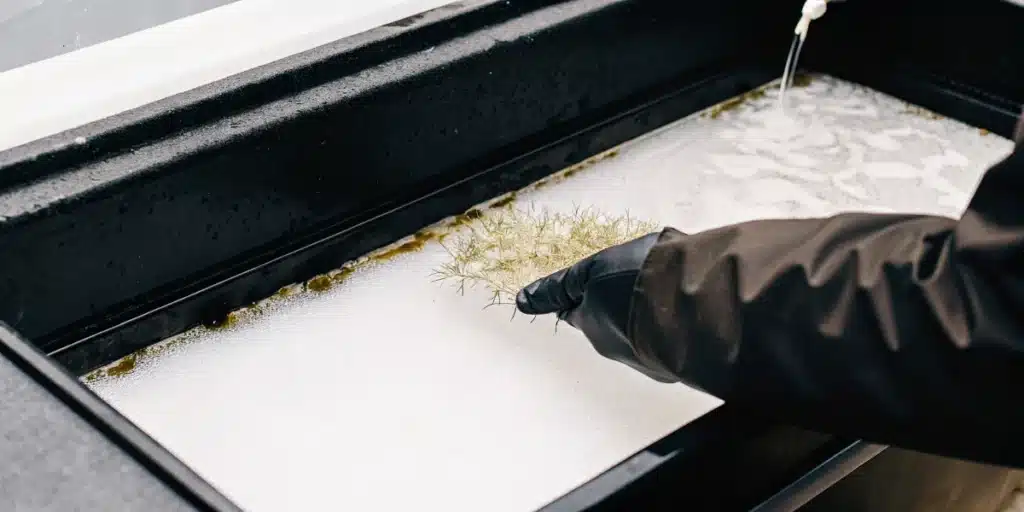
FAQs on Algae in Hydroponics
Is green algae bad for hydroponics?
Green algae can be detrimental to hydroponics by competing with plants for nutrients and reducing oxygen levels. Excessive algae growth can clog system components, leading to inefficiencies. Maintaining a balanced nutrient solution and proper light management can mitigate these issues.
What kills green algae fast?
Hydrogen peroxide is effective for quickly killing green algae in hydroponics. Use a 3% solution at 3 ml per gallon of water. This method oxidizes algae cells without harming plants when applied correctly. Regular use every 5-7 days helps maintain a clean system.
Will Dawn dish soap kill algae?
While Dawn dish soap can disrupt algae cell membranes, it’s not recommended for hydroponics due to potential plant harm. Instead, use hydrogen peroxide or vinegar for algae control. These options are safer for plants and more effective in maintaining system health.
Will green algae go away on its own?
Green algae typically do not disappear on their own in hydroponic systems. Without intervention, algae can continue to grow and spread. Implementing regular cleaning and using natural algae control methods like hydrogen peroxide can effectively manage algae presence.
How can I prevent algae in my hydroponic system?
Prevent algae by maintaining light-tight systems and using opaque covers for nutrient solutions. Regularly clean components with vinegar and monitor pH levels between 5.5 and 6.5. These practices help create an environment less conducive to algae growth.
Keep reading
If this topic is useful for your grow, you will probably also want to read Stoner Characters in Cartoons: A Cultural Exploration and CBD Energy Drink: A Refreshing Boost with Added Benefits, two closely related guides from our blog that go deeper into the same subject.