How to Grow POG

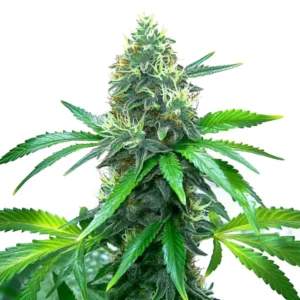
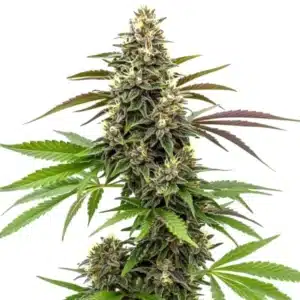
POG, also written P.O.G for Passion Orange Guava, is a potent, mostly indica feminized hybrid that crosses Tangie with Guava Dawg. The result is a 60% indica plant with a high 24-28% THC, a sweet orange, citrus and tropical-fruit flavor over an earthy, floral base, and a deeply relaxed, night-time effect. It is productive, resinous and strong, with a bright orange character from its Tangie side.
This is a feminized, 60% indica photoperiod hybrid of moderate height, around 1.5 m, that flowers in 9 to 10 weeks once you switch it to bloom. Every seed grows into a flowering female, so there is no need to identify the sex or remove males, which keeps the grow simple and the whole crop productive. Its Tangie and Guava Dawg roots give it a sturdy structure and a resinous, citrus-and-tropical-fruit harvest.
Recommended Strains

POG

|
THC | 24% - 28% (High) |

|
Type | Feminized |

|
Yield | High |

|
Phenotype | 60% Indica / 40% Sativa |

Permanent Marker
|
|
THC | 32% - 34% (High) |
|
|
Type | Feminized |
|
|
Yield | High |
|
|
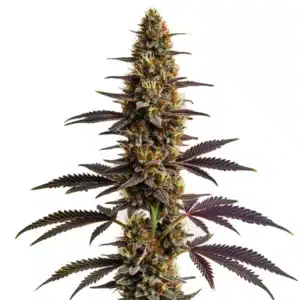
Phenotype | 50% Indica / 50% Sativa |
Zesty, fruity and genuinely strong, POG is a rewarding way to grow a high-THC indica hybrid with a bold orange flavor. You can see the full genetics and buy POG seeds on the strain page, and browse the rest of our high-THC seeds alongside it.
Strain Profile at a Glance
| THC | High (24-28%) |
|---|---|
| Lineage | Tangie x Guava Dawg |
| Type | Feminized (photoperiod) |
| Genetics | 60% Indica / 40% Sativa |
| Climate | Temperate, warm |
| Flowering time | 9-10 weeks |
| Harvest (outdoor) | October |
| Height | 4.92 ft / 1.5 m |
| Yield indoor | 1.47-1.64 oz/ft² (450-500 g/m²) |
| Yield outdoor | 15.87-17.64 oz/plant (450-500 g/plant) |
| Grow difficulty | Moderate |
| Flavors | Orange, Citrus, Fruity, Floral, Earthy, Sweet |
| Effects | Relaxed, night-time |
Promos & Deals
Growing a Feminized Photoperiod Strain
POG is a photoperiod strain, so it flowers in response to the light cycle rather than on age. You grow it under a long day of around 18 hours of light while it builds size and structure, then switch to a 12/12 light schedule to trigger flowering, which runs 9 to 10 weeks from the flip to harvest. Because the seeds are feminized, every plant comes up female and goes on to flower, so you never have to check the sex or cull males.
That control over the light cycle is an advantage. You decide how long to veg the plant and therefore how big it gets before you flip it, which lets you match it to your space. As a 60% indica it grows fairly compact and bushy at around 1.5 m, so give it an open canopy and a little low-stress training to spread the light evenly across its productive, resinous structure.
Climate and Where to Grow It
POG does well in a warm, temperate or Mediterranean-style climate with plenty of sun, steady warmth and good airflow. Its Tangie and Guava Dawg heritage makes it a vigorous, adaptable plant, and outdoors it suits a season that lets its resinous buds ripen fully and finish by around October, since it takes a slightly longer 9 to 10 week bloom.
It performs well indoors and out. Indoors it returns a strong 450-500 g/m² in a well-managed tent, while outdoors a healthy plant with room and sun gives 450-500 g. As a fairly compact indica of about 1.5 m it stays manageable in height, so the main job is keeping the canopy open so light and air reach the lower buds.
Keep humidity under control through flowering to protect the dense, resinous colas: around 55-60% in early bloom, nearer 40-45% as the buds fill out, and lower toward harvest. A chunky, high-THC indica can hold moisture inside its sticky buds, so steady airflow and sensible humidity are what keep the finish clean over its longer bloom. Aim for daytime temperatures around 70-82°F (21-28°C).
Feeding Schedule (EC Guide)
POG is a hungry, productive plant, but it still pays to build nutrients up gradually and let the plant set the pace. Feed it steadily through veg and bloom, then taper off for the final flush so the zesty orange and citrus flavor comes through clean and the smoke finishes smooth. The ranges below are a starting guide; adjust to your water and medium.
| Stage | EC (mS/cm) | Notes |
|---|---|---|
| Seedling | 0.4-0.6 | Very light feed while roots establish |
| Vegetative growth | 0.8-1.2 | Raise nitrogen as the plant builds size |
| Early flower | 1.2-1.4 | Shift toward bloom nutrients (P and K) |
| Full flower | 1.4-1.6 | Peak bloom feed while the buds swell |
| Flush | 0.0-0.4 | Plain water for the final 1-2 weeks |
Flowering and Harvest
Once you switch POG to a 12/12 light schedule it flowers in 9 to 10 weeks, a slightly longer window that rewards patience with dense, resinous buds. As a mostly indica plant it fills out with solid, chunky, frosty colas up a moderate frame rather than stretching tall. Grown outdoors in a warm climate it is typically ready to harvest around October, once the trichomes have turned mostly cloudy.
Yields are strong: around 450-500 g/m² indoors and 450-500 g per plant outdoors with good sun and space. Give it a little training so the lower buds get light, feed it well through bloom, and harvest when most of the trichomes have turned cloudy for the fullest orange-and-citrus flavor and the strongest effect from its very high THC.
Drying and Curing
Dry whole plants or branches in a dark room at around 60°F (15-18°C) and 55-60% humidity for 7-14 days, until the thin stems snap rather than bend. A slow, even dry is important with such a resinous, high-THC indica, because its sticky, dense buds can stay damp in the middle while the outside dries, and a gentle dry protects both the aroma and the trichomes.
Then cure the trimmed buds in sealed jars, burping them daily for the first week and letting them settle for three to four weeks. A proper cure is what brings out the zesty orange, citrus and tropical-fruit notes and smooths the smoke, which matters on a Tangie cross where that bright, orange-citrus character is the main attraction.
What to Do With Your Trim
Don’t bin the sugar leaves you remove while manicuring. POG is a very resinous, trichome-heavy plant, so its trim works especially well for dry sift, bubble hash or rosin. Given its very high THC, that trim makes for a strong, flavourful orange-and-citrus concentrate run from material most growers would otherwise throw away.
Flavor and Terpenes
POG, short for Passion Orange Guava, is built around citrus and tropical fruit: a bright, zesty orange note from its Tangie side, a sweet tropical-guava fruitiness from Guava Dawg, and a soft floral and earthy base underneath. It is a bright, fruity flavor rather than a heavy or gassy one, and a good cure really brings that orange-and-citrus character forward in the jar and on the inhale.
Its terpene profile shapes that character. Limonene drives the zesty orange and citrus lift that defines the aroma, carried over strongly from its Tangie parent, while myrcene lays down a ripe, fruity base that carries the tropical sweetness and the heavy indica body. Caryophyllene adds a warm, peppery spice and ties into the earthy undertone. Together they frame the orange, citrus and sweet character POG is known for.
Effects and Best Use
With its very high 24-28% THC and mostly 60% indica make-up, POG delivers a strong, deeply body-forward experience. It is reported as relaxed and settling into a heavy, restful state, so it leans firmly toward the end of the day. Because the THC runs very high, it is well worth starting with a moderate amount, especially if you have a lower tolerance.
That heavy, relaxed profile makes it a night-time strain, well suited to winding down and settling in for the evening. The combination of a productive grow, a strong yield and a bright orange-and-citrus flavor, all with a very high-THC kick, is exactly why it stands out.
Common Problems and Pro Tips
The most common issue with a resinous, high-THC indica like POG is moisture getting trapped in the dense, sticky buds late in flower, especially over its slightly longer 9 to 10 week bloom. Keep the air moving around and through the canopy, hold humidity down as the flowers fill out, and don’t let the plant sit in still, damp air. Defoliating a few of the largest fan leaves in mid-bloom helps light and air reach the lower buds.
Because it is a fairly compact indica, train it early. A little low-stress training or a light topping in veg opens the canopy and turns one dominant cola into several even ones, which suits its productive structure and lifts the yield. Give it a sturdy frame, as those heavy, frosty colas gain weight toward the end of flower.
As a pro tip, protect the orange-and-citrus flavor, since it is the appeal of this strain: run a clean plain-water flush at the end and cure for three to four weeks, which brings that zesty character to its brightest. Bear in mind the THC runs very high and the effect is heavy, so start with a moderate amount and keep it for the evening.

FAQ
Is POG a feminized strain?
Yes. POG, also written P.O.G, is a feminized photoperiod strain, so every seed grows into a flowering female and you never have to identify the sex or remove males. You grow it under long days, then switch to a 12/12 light schedule to start flowering. That keeps the whole crop productive and makes the grow more straightforward, with no males to find and cull.
How much THC does POG have?
POG is a very high-THC strain, testing at around 24-28%. Because it runs so high, it is well worth starting with a moderate amount if your tolerance is lower. Combined with its mostly 60% indica genetics, the result is a deeply relaxed, heavy effect that leans firmly toward night-time use rather than daytime activity.
How long does POG take to flower?
POG flowers in about 9 to 10 weeks once you switch it to a 12/12 light schedule, a slightly longer window that rewards patience with dense, resinous buds. As a photoperiod strain you also control how long it vegetates beforehand. Outdoors in a warm climate it is usually ready to harvest around October.
What does POG taste like?
POG stands for Passion Orange Guava, and it tastes the part: a bright, zesty orange and citrus note from Tangie, a sweet tropical-guava fruitiness from Guava Dawg, and a soft floral, earthy base. Limonene drives the orange and citrus, myrcene the fruity base and caryophyllene a peppery spice. A proper cure brings the orange character forward.
How much does POG yield?
POG is a strong producer, giving around 450-500 g/m² indoors and 450-500 g per plant outdoors with good sun and space. Results depend on light, pot size and canopy health, so keep the plant well fed through bloom, train it lightly for an even canopy, and support those heavy, frosty colas as they develop.
Who is POG best suited to?
With its very high 24-28% THC, heavy night-time effect and bright Tangie-and-Guava flavor, POG suits growers and users who want a potent, relaxing evening strain. The grow itself is a vigorous, productive indica; the main thing to plan for is the strong potency, so start with a moderate amount and cure it well for the smoothest result.