How to Grow Orange Skunk Strain

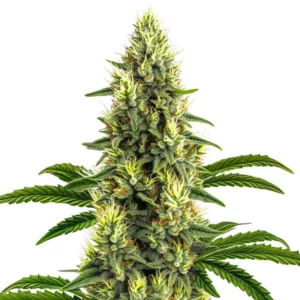
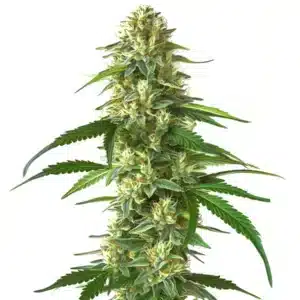
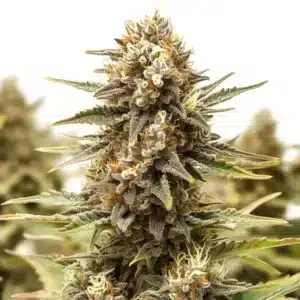
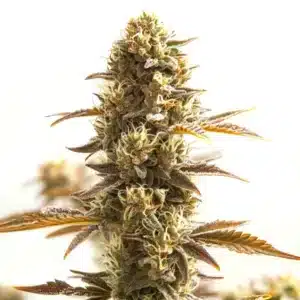
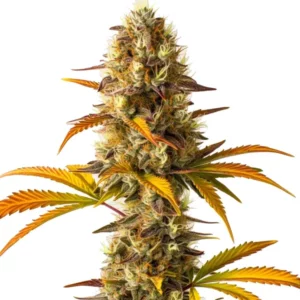
Orange Skunk Strain: The Orange Skunk strain is a balanced hybrid known for its vibrant citrus aroma and skunky undertones. With THC levels ranging from 14% to 16%, it offers uplifting cerebral effects and a relaxing body high. Ideal for both recreational and medicinal users, this strain thrives in temperate climates with specific temperature and humidity requirements for optimal growth.
The Orange Skunk strain is celebrated for its unique citrus aroma and skunky undertones, making it a favorite among cannabis enthusiasts. Its terpene profile, highlighted by limonene, myrcene, and caryophyllene, contributes to its distinctive scent and potential therapeutic benefits. With a flowering time of 8-10 weeks, this strain offers a balanced high suitable for various users.
Recommended Strains
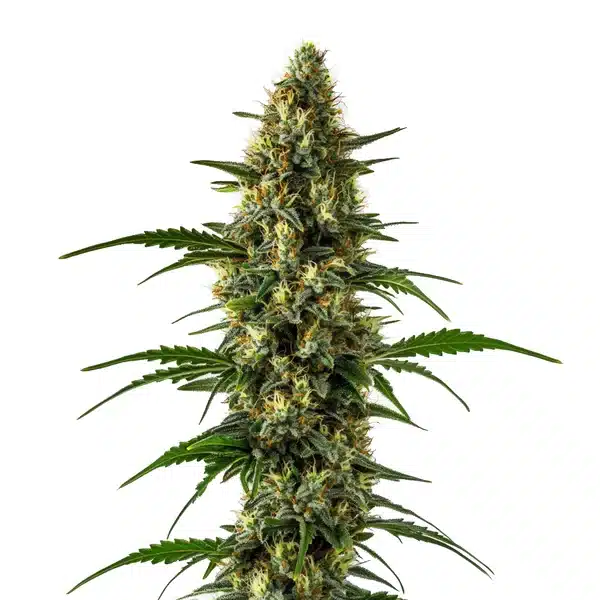
Orange x Skunk

|
THC | 14% - 16% (Medium) |

|
Type | Feminized |

|
Yield | High |

|
Phenotype | 45% Indica / 55% Sativa |

California Orange x Skunk
|
|
THC | 10% - 16% (Medium) |
|
|
Type | Feminized |
|
|
Yield | Medium |
|
|
Phenotype | 60% Indica / 40% Sativa |
Orange Skunk Strain Overview
Genetics and Composition
Orange Skunk is a hybrid cannabis strain derived from California Orange and Skunk. This genetic lineage combines the best of both worlds, offering a harmonious blend of Sativa and Indica characteristics. The strain’s THC content ranges from 14% to 16%, providing a moderate potency suitable for various users.
Its terpene profile is dominated by limonene (0.5-0.8%), which imparts a citrus aroma and may enhance mood and relieve stress. Myrcene (0.4-0.6%) adds earthy tones and is known for its sedative properties, while caryophyllene (0.2-0.4%) provides spicy notes and potential anti-inflammatory benefits.
Aroma and Flavor Profile
The Orange Skunk strain captivates with its vibrant citrus aroma, a direct result of its limonene content. This terpene not only contributes to its refreshing scent but also interacts with the endocannabinoid system to potentially elevate mood and reduce anxiety. The skunky undertones are attributed to the strain’s Skunk parentage.
In terms of flavor, users can expect a combination of sweet citrus and earthy notes, with a spicy kick from caryophyllene. This complex flavor profile makes Orange Skunk a delightful choice for those seeking a flavorful cannabis experience.
Promos & Deals


Effects and Benefits
Medical Uses and Suitability for Crohn’s Disease
Orange Skunk’s balanced effects make it a versatile option for medical cannabis users. Its uplifting cerebral high, combined with a relaxing body sensation, can help alleviate symptoms of stress, fatigue, and mild depression. For individuals with Crohn’s disease, the anti-inflammatory properties of caryophyllene may offer additional relief.
With THC levels between 14% and 16%, Orange Skunk provides a moderate psychoactive experience, making it accessible to both novice users and seasoned connoisseurs. Its potential to enhance mood and reduce anxiety can be particularly beneficial for those managing chronic conditions.
Is Orange Skunk Indica or Sativa?
Orange Skunk is a balanced hybrid, offering a mix of Sativa and Indica effects. This blend provides users with an uplifting cerebral high and a relaxing body sensation. The strain’s genetic composition allows it to deliver a versatile experience, suitable for both daytime and evening use, depending on the user’s needs.
| Feature | Orange Skunk | Super Lemon Haze | Blue Dream |
|---|---|---|---|
| THC Content | 14-16% | 19% | 17-24% |
| Dominant Terpene | Linalool | Terpinolene | Myrcene |
| Flowering Time | 8-10 weeks | 8-10 weeks | 8-10 weeks |
| Yield (Indoor) | 1.31 – 1.97 oz/ft² | 400 – 600 g/m² | 2.62 oz/ft² | 800 g/m² | 1.97 oz/ft² | 600 g/m² |
| Effects | Calming, Happy, Relaxed | Happy, Relaxed, Talkative | Happy, Relaxed, Talkative |
Growing Orange Skunk Strain
Indoor vs Outdoor Cultivation
Orange Skunk can be cultivated both indoors and outdoors, adapting well to different environments. Indoor growers should maintain a temperature range of 70-80°F (21-27°C) during the vegetative stage and 65-75°F (18-24°C) during flowering. Humidity levels should be adjusted from 60-70% in seedlings to 40-50% in flowering to prevent mold.
Outdoor cultivation requires a sunny location with nutrient-rich, well-draining soil. In cooler climates, using a greenhouse can protect plants from adverse weather and extend the growing season. This approach maximizes yield potential, allowing plants to thrive in varying conditions.
Environmental Requirements
For optimal growth, Orange Skunk requires specific environmental conditions. Indoor setups benefit from high-quality LED grow lights, ensuring even light distribution. A 12/12 light schedule during flowering promotes bud development. Outdoor growers should prepare soil with compost or organic fertilizers, ensuring plants receive essential nutrients throughout their growth cycle.
Monitoring pH and EC levels is crucial for nutrient uptake. Maintaining a pH of 6.0-6.5 and an EC of 1.2-1.8 during the vegetative stage ensures healthy growth. Regularly checking these parameters helps prevent nutrient lockout and other common issues.
Advanced Cultivation Techniques
To maximize the yield and potency of Orange Skunk, consider implementing advanced cultivation techniques. Low-Stress Training (LST) can be employed to manipulate plant growth, improving light penetration and promoting even canopy development. This technique involves gently bending and tying down branches to create a more horizontal growth pattern.
Additionally, maintaining a CO2-rich environment can enhance photosynthesis, leading to increased growth rates and larger yields. CO2 supplementation is particularly beneficial in sealed indoor grow rooms where natural air exchange is limited. Ensure proper ventilation to prevent heat buildup and maintain optimal growing conditions.
Professional Tips for Growing Orange Skunk
- Maintain 70-80°F (21-27°C) during vegetative growth to promote vigorous development. Temperatures outside this range can stunt growth.
- Keep humidity at 60-70% for seedlings, reducing to 40-50% during flowering to prevent mold. Use a digital hygrometer for accuracy.
- Use a 12/12 light schedule during flowering to encourage bud formation. Deviating from this can delay flowering.
- Monitor pH at 6.0-6.5 for optimal nutrient absorption. Incorrect pH can lead to nutrient lockout and deficiencies.
- Employ low-stress training (LST) to improve light penetration and increase yields. Avoid high-stress techniques that can stress plants.
- Ensure proper ventilation to prevent heat buildup and mold. Poor airflow can lead to pest infestations.
FAQ About Orange Skunk Strain
Is orange Skunk indica or sativa?
Orange Skunk is a balanced hybrid, combining both Sativa and Indica effects. It offers an uplifting cerebral high and a relaxing body sensation, making it versatile for various uses. The strain’s genetic makeup allows it to provide a well-rounded experience suitable for different times of the day.
What strains are good for Crohn’s disease?
Strains with anti-inflammatory properties, like Orange Skunk, can be beneficial for Crohn’s disease. Caryophyllene, a dominant terpene, offers potential relief from inflammation. Other strains such as Blue Dream and Super Lemon Haze, known for their balanced effects, may also help manage symptoms.
What gets you high the longest?
Strains with higher THC levels, like GG4 and Bruce Banner 3, typically offer longer-lasting effects. GG4, with THC levels up to 30%, provides a potent, enduring high. It’s important to consider individual tolerance and strain potency when seeking prolonged effects.
Can Orange Skunk be used in edibles?
Yes, Orange Skunk can be used in edibles, offering its unique citrus flavor. With THC levels between 10% and 16%, it provides a moderate potency suitable for edibles. Decarboxylate the cannabis at 240°F (115°C) for 30-45 minutes before infusion to activate THC.
How should Orange Skunk be stored?
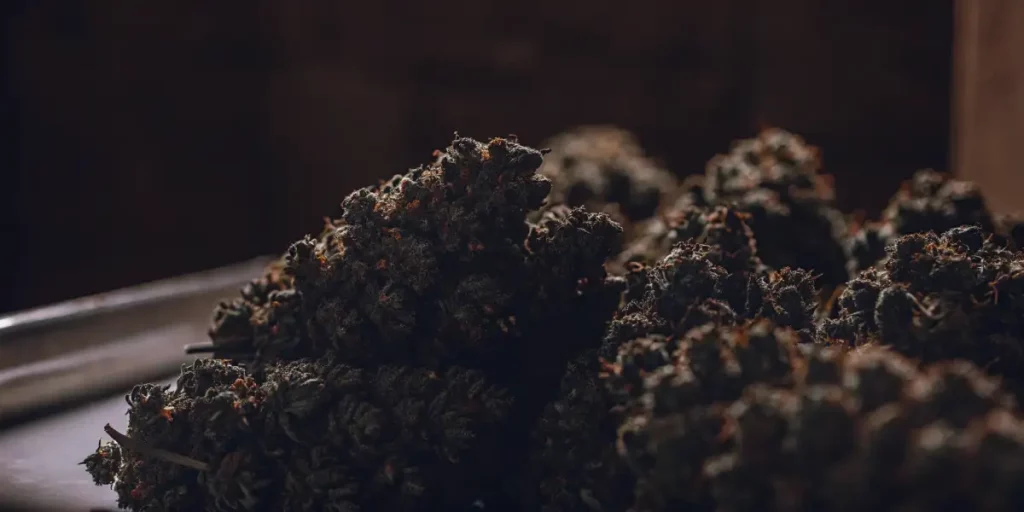
Store Orange Skunk in a cool, dark place at 59-70°F (15-21°C) with 58-62% RH. Use airtight containers to preserve potency and prevent mold. Avoid exposure to light and air, which can degrade cannabinoids and terpenes over time.