How To Grow Moby Dick Strain

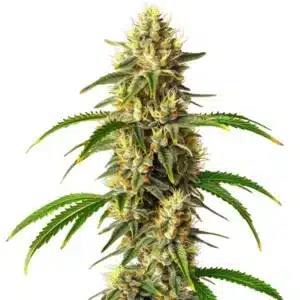
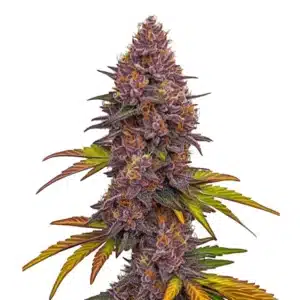
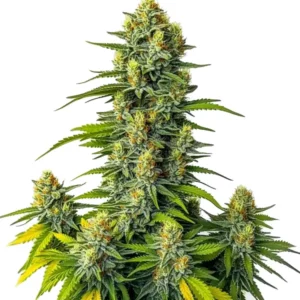
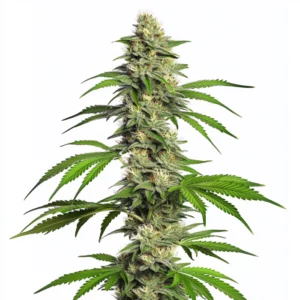
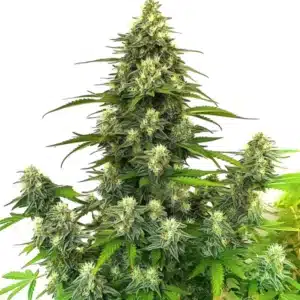
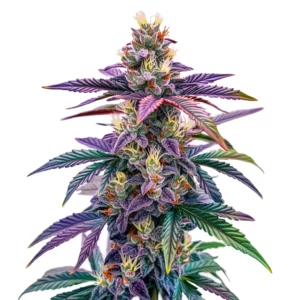
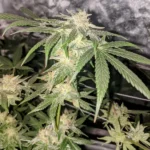
Moby Dick strain is a Sativa-dominant hybrid known for its high THC content and robust growth. With THC levels often exceeding 21%, this strain delivers potent psychoactive effects. It typically flowers in 9-10 weeks, producing large yields. Ideal for both indoor and outdoor cultivation, Moby Dick weed strain is favored for its resilience and unique flavor profile of citrus and vanilla. Cultivators can expect a rewarding experience with proper care.
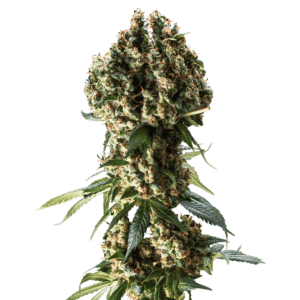
Moby Dick marijuana strain is celebrated for its unique terpene profile, combining citrus and sweet vanilla with earthy undertones. This Sativa-dominant hybrid, a cross between White Widow and Haze, is known for its vigorous growth and resilience. With flowering times of 9-10 weeks, Moby Dick seeds offers a robust cultivation experience, producing high yields of resinous buds.
Recommended Strains

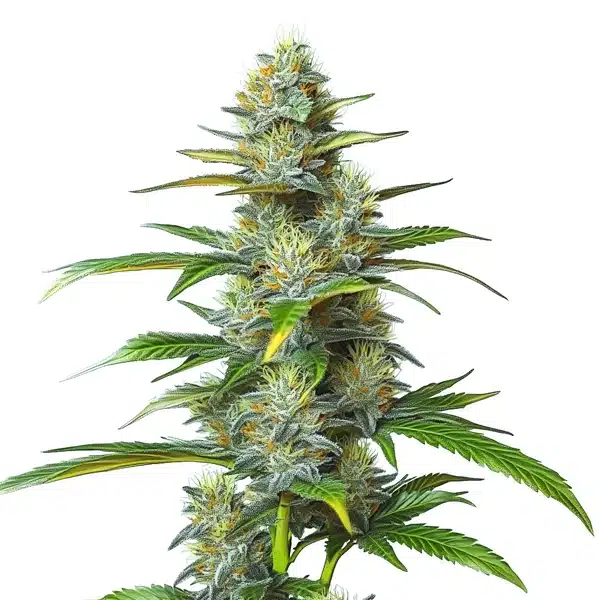
Moby Dick

|
THC | 24% - 27% (High) |

|
Type | Feminized |

|
Yield | High |

|
Phenotype | 40% Indica / 60% Sativa |
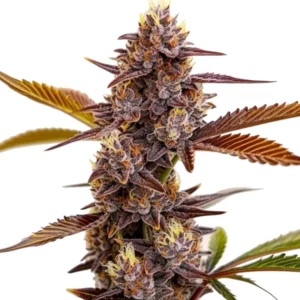
Moby Dick Autoflower
|
|
THC | 16% - 20% (Medium) |
|
|
Type | Autoflowering |
|
|
Yield | High |
|
|
Phenotype | 40% Indica / 60% Sativa |
Overview of Moby Dick Cannabis Strain
Characteristics and Effects
Mobydick strain, a Sativa-dominant hybrid, boasts a THC content of 21-23%, making it a powerhouse in terms of psychoactive effects. Its terpene profile includes Myrcene (0.8-1.2%), which adds earthy notes and enhances THC absorption, and Limonene (0.5-0.7%), contributing to its citrus aroma and mood-lifting effects. Caryophyllene (0.4-0.6%) provides a spicy undertone and interacts with CB2 receptors to offer anti-inflammatory benefits.
The strain’s effects are characterized by a strong cerebral high, promoting creativity and focus. It’s ideal for daytime use, offering an energizing experience without inducing couch-lock. The entourage effect, facilitated by its terpene blend, enhances the overall experience, making Moby Dick cannabis a favorite among both recreational and medicinal users.
During consumption, the metabolic pathway of THC involves its conversion to 11-hydroxy-THC in the liver, which is more potent. This transformation explains the prolonged psychoactive effects. Additionally, the interaction of terpenes with cannabinoid receptors modulates the strain’s impact, providing a balanced and comprehensive experience.
Moby Dick Strain Indica or Sativa?
Moby Dick Strain is predominantly Sativa, with a genetic composition of approximately 75% Sativa and 25% Indica. This genetic makeup results in its tall growth and high yield potential, typical of Sativa strains. The Indica influence, though minimal, contributes to its robust structure and resilience against environmental stressors.
When cultivating Moby Dick, expect plants to reach heights of 5-6 feet (1.5-1.8 meters) indoors and even taller outdoors. Its Sativa dominance means it thrives under long light cycles, requiring 16-24 hours of high-intensity light during the vegetative stage to maximize growth and yield.
The plant’s metabolism during the vegetative stage is driven by photosynthesis, where CO2 and water, under light, are converted into carbohydrates and oxygen. This process fuels growth, necessitating optimal light and CO2 levels to support vigorous development.
Promos & Deals

How to Grow Moby Dick Seeds
Environmental Requirements
Moby Dick marijuana strain thrives in temperatures between 70-80°F (21-27°C) with humidity levels of 40-50%. Maintaining these conditions is crucial during the flowering phase to prevent mold and mildew. The strain’s preference for a Mediterranean climate means it requires ample sunlight, making it ideal for outdoor cultivation in warm, dry regions.
Indoor growers should replicate these conditions using full-spectrum LED lights and efficient ventilation systems. Ensure air circulation is optimal to maintain even temperature and humidity, reducing the risk of pest infestations and promoting healthy plant development.
The plant’s transpiration process, where stomata release water vapor and oxygen while absorbing CO2, is vital for nutrient uptake and cooling. Proper humidity and temperature control enhance this process, ensuring robust growth and preventing stress-related issues.
Indoor vs. Outdoor Cultivation
Indoor cultivation of Moby Dick strain requires a controlled environment with reflective walls to enhance light efficiency. Use a grow tent with a height of at least 6 feet (1.8 meters) to accommodate its tall growth. Hydroponic systems can accelerate growth and increase yield, but require precise nutrient management.
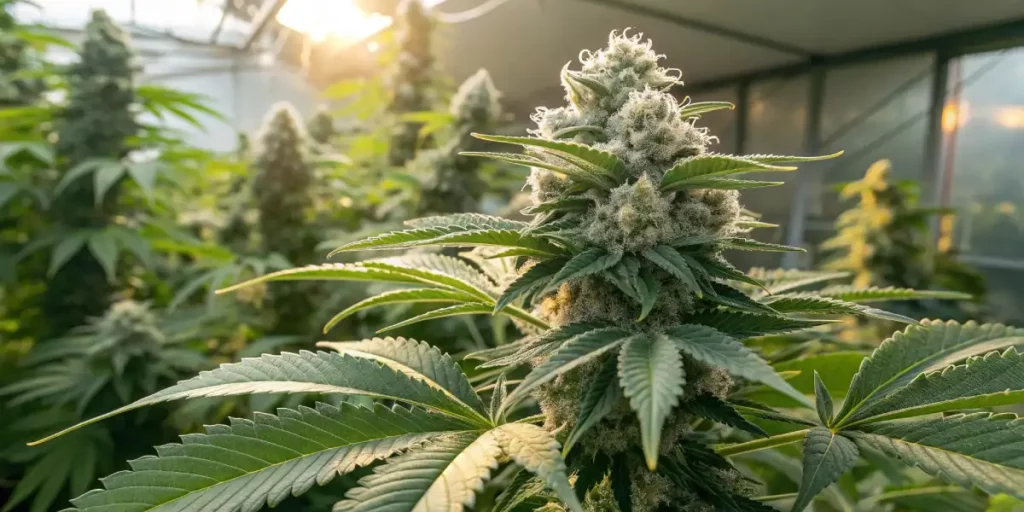
Outdoor growers should plant in nutrient-rich, well-draining soil. Large pots facilitate root expansion and allow for easy relocation if needed. Regular pruning and training methods like SCROG can optimize light exposure and air circulation, essential for maximizing yields.
In hydroponic systems, maintaining a pH of 5.5-6.5 is crucial for nutrient availability. The hydroponic environment allows for direct nutrient uptake, enhancing growth rates and yield potential. However, constant monitoring is essential to prevent nutrient imbalances.
| Feature | Moby Dick | Bruce Banner 3 | Gelato X Purple Punch Autoflower F1 |
|---|---|---|---|
| THC Content | 21-23% | 24-28% | 20-22% |
| Flowering Time | 9-10 weeks | 8-10 weeks | 8-9 weeks |
| Yield (Indoor) | 1.5-1.8 oz/ft² (450-550 g/m²) | 1.6-2 oz/ft² (480-600 g/m²) | 1.4-1.6 oz/ft² (420-500 g/m²) |
| Height (Indoor) | 5-6 ft (1.5-1.8 m) | 4-5 ft (1.2-1.5 m) | 3-4 ft (0.9-1.2 m) |
| Terpene Profile | Myrcene, Limonene, Caryophyllene | Limonene, Myrcene, Pinene | Caryophyllene, Linalool, Humulene |
Professional Tips for Growing Moby Dick
- Maintain 70-80°F (21-27°C) during vegetative growth. This temperature range optimizes enzyme activity for robust growth. Avoid temperatures above 85°F (29°C) to prevent heat stress.
- Ensure 40-50% humidity during flowering. Higher humidity risks mold; lower levels can slow growth. Use a digital hygrometer for precise monitoring.
- Use a N:P:K ratio of 3:1:2 during vegetative stage. This supports leaf and root development. Avoid excess nitrogen, which can lead to nutrient burn.
- Implement SCROG technique to maximize light exposure. This method increases yield by promoting even canopy growth. Start training early to avoid plant stress.
- Monitor pH levels at 6.0-6.5 for soil. Correct pH ensures nutrient availability. Use pH meters for accuracy, as incorrect pH can lock out essential nutrients.
- Flush plants with plain water two weeks before harvest. This removes residual nutrients, enhancing flavor and aroma. Failure to flush can result in harsh-tasting buds.
FAQs About Moby Dick Marijuana Strain
Is Moby Dick’s strain good?
Moby Dick cannabis strain is highly regarded for its potent effects and high THC content, often exceeding 21%. Its unique citrus and vanilla flavor profile, combined with large yields, makes it a favorite among cultivators. This strain is suitable for both recreational and medicinal use, offering stress relief and appetite stimulation.
How does Moby Dick compare to other strains?
Moby Dick strain stands out with its high THC content of 21-23% and robust growth. Compared to strains like Bruce Banner 3, which has THC levels of 24-28%, Moby Dick offers a unique flavor profile and resilience. Its Sativa dominance ensures an energizing effect, ideal for daytime use.
Can Moby Dick be used in edibles?
Yes, Moby Dick weed strain can be used in edibles, offering potent effects due to its high THC content of 21-23%. When making edibles, decarboxylate the cannabis to activate THC. Start with small doses to gauge potency, as effects can be stronger and longer-lasting compared to smoking or vaping.
What makes Moby Dick exotic?
Moby Dick’s exotic appeal lies in its unique genetic lineage, combining White Widow and Haze, resulting in a Sativa-dominant hybrid. Its high THC content of 21-23%, coupled with a distinctive terpene profile of citrus and vanilla, offers a sensory experience that is both potent and aromatic.