Living Soil Weed: A Complete Guide to Organic Cannabis Cultivation

Living soil weed: Living soil weed is an organic cultivation method that uses a thriving ecosystem of microorganisms to boost cannabis growth. It enhances terpene production by 20% and improves plant health. By using living soil, growers can achieve sustainable cultivation practices, leading to richer flavors and higher yields without synthetic fertilizers.
Living soil weed is revolutionizing organic cannabis cultivation by fostering a symbiotic relationship between plants and soil microbes. This method not only enhances soil fertility but also increases cannabinoid profiles, offering a natural alternative to chemical fertilizers. Growers using living soil report a 15% increase in plant resilience against pests and diseases, making it a preferred choice for sustainable cultivation.
Recommended Strains
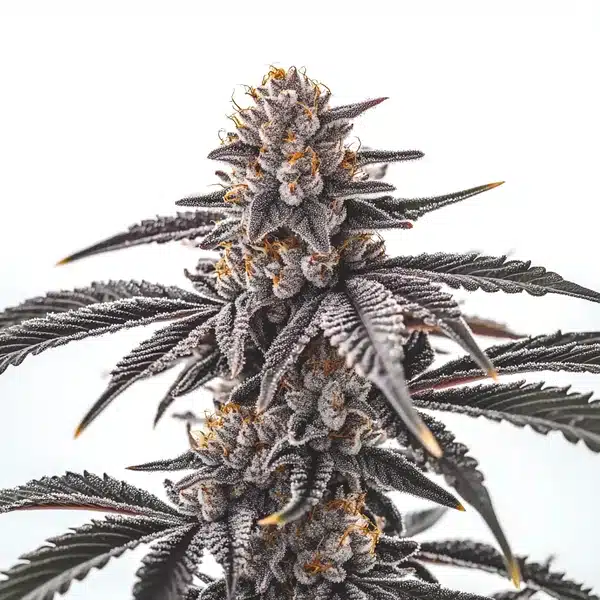
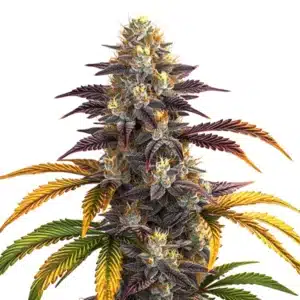
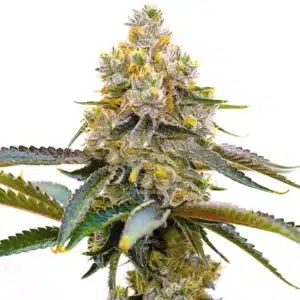
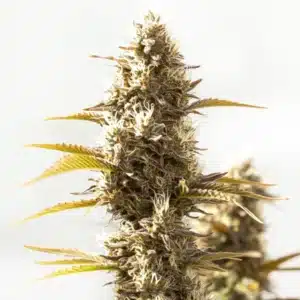
Gas Burzt

|
THC | 25% - 29% (High) |

|
Type | Feminized |

|
Yield | Medium |

|
Phenotype | 45% Indica / 55% Sativa |
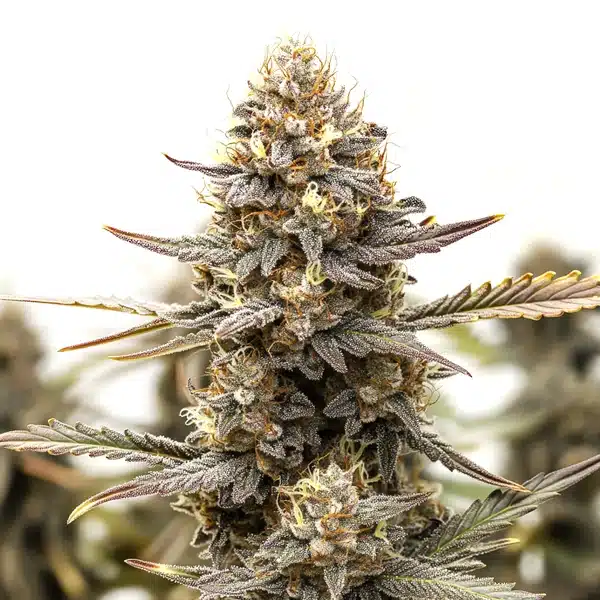
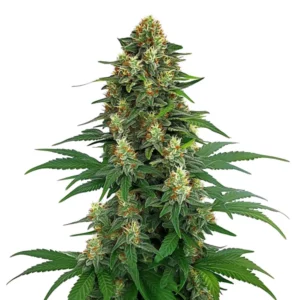
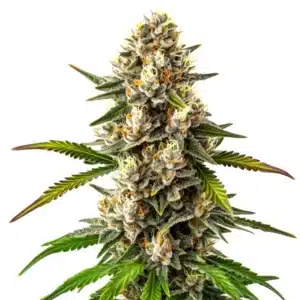
Purple Kush F1
|
|
THC | 17% - 27% (High) |
|
|
Type | Feminized F1 |
|
|
Yield | High |
|
|
Phenotype | 80% Indica / 20% Sativa |
What is Living Soil Weed?
Definition and Key Components
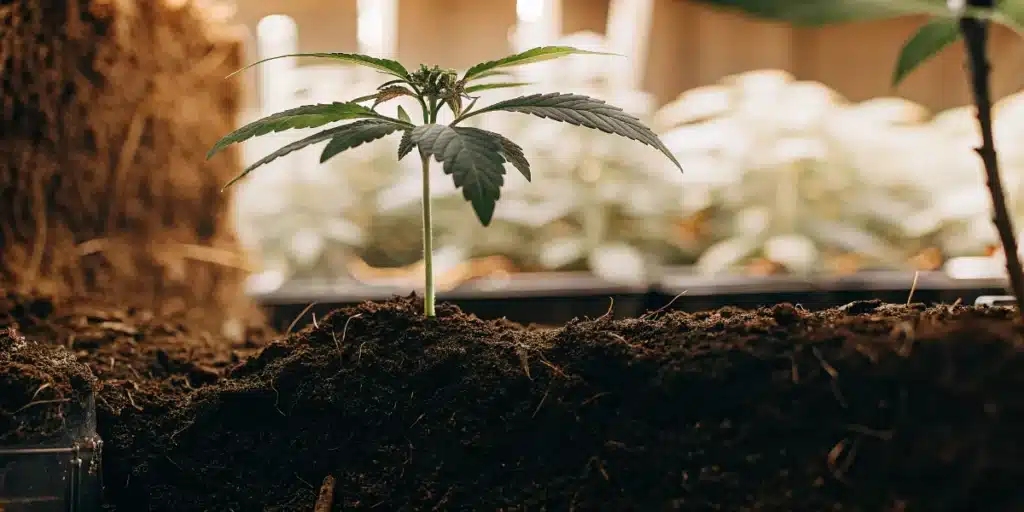
Living soil weed refers to cannabis grown in soil teeming with beneficial microorganisms such as bacteria, fungi, and protozoa. These organisms create a dynamic ecosystem that breaks down organic matter into nutrients readily available for plant uptake. This natural process mimics how plants grow in the wild, leading to healthier and more robust cannabis plants.
Key components of living soil include compost, worm castings, and various organic amendments like kelp meal and fish bone meal. These ingredients provide a balanced nutrient profile, ensuring that cannabis plants receive the necessary elements for optimal growth. The use of living soil eliminates the need for synthetic fertilizers, reducing the risk of nutrient burn and chemical runoff.
Benefits of Using Living Soil for Cannabis
Living soil weed cultivation offers several environmental benefits, including reduced chemical usage and improved soil health. Organic living soil weed is known for producing cannabis with enhanced terpene profiles, resulting in richer flavors and aromas. According to discussions on living soil weed Reddit threads, many growers find that plants grown in living soil exhibit increased resistance to pests and diseases.
Organic vs. Synthetic: A Comparison reveals that living soil supports sustainable practices by promoting biodiversity and reducing environmental impact. While synthetic fertilizers can lead to nutrient imbalances and soil degradation, living soil fosters a self-sustaining ecosystem that enhances plant health and productivity.
Promos & Deals
How to Create Your Own Living Soil Recipe
Step-by-Step Guide
Creating your own living soil recipe involves combining various organic materials to support microbial life. Start with a base of 30% compost, 30% peat moss, and 30% aeration materials like perlite or pumice. Add 10% organic amendments such as kelp meal, fish bone meal, and neem cake to provide essential nutrients.
Follow this living soil recipe to enhance your cannabis cultivation. Ensure that the soil remains moist but not waterlogged, maintaining a balance that supports microbial activity. Regularly test the soil’s pH and nutrient levels to ensure optimal conditions for plant growth.
Super Soil for Weed
Compare super soil for weed with our living soil recipe to see which suits your needs. Super soil is a pre-amended mix that requires minimal additional nutrients during the growth cycle. It is ideal for growers seeking a low-maintenance option, but it may not offer the same level of microbial diversity as a custom living soil mix.
Learn the best living soil recipe for optimal cannabis growth by experimenting with different amendments and ratios. Adjust the mix based on the specific needs of your cannabis strain, ensuring that the soil provides a balanced nutrient profile throughout the plant’s lifecycle.
| Feature | Shiskaberry Punch | Purple Kush F1 | Gas Burzt |
|---|---|---|---|
| THC Content | 21-26% | 17-27% | 25-29% |
| Dominant Terpene | Myrcene | Caryophyllene | Limonene |
| Aroma | Fruity, Incense, Sweet | Spicy, Sweet | Citrus, Pine, Sweet |
| Effect | Aroused, Energetic, Relaxed | Calming | Euphoric, Happy, Tingly |
| Yield Indoor | 1.64 – 1.97 oz/ft² | 1.47 – 1.64 oz/ft² | 0.98 – 1.31 oz/ft² |
Best Living Soil Brands for Weed
Top Picks and Reviews
Explore popular living soil weed brands that offer quality and consistency. Brands like BuildASoil, Coast of Maine, and FoxFarm are renowned for their organic mixes that support robust cannabis growth. These brands provide pre-mixed soils rich in organic matter and beneficial microbes, making them a convenient choice for growers seeking high-quality living soil.
Discover where to find living soil near me and how local options compare. Many garden centers and online retailers offer a range of living soil products, allowing you to choose the best option for your cultivation needs. Consider factors such as nutrient content, microbial diversity, and price when selecting a living soil brand.
Tips for Using Living Soil with Autoflowers
Special Considerations for Autoflowering Strains
Find the best living soil for autoflowers to ensure healthy growth. Autoflowering strains have a shorter lifecycle, requiring a soil mix that provides balanced nutrients throughout their growth stages. Consider using a living soil with a lower nitrogen content to prevent nutrient burn during the flowering phase.
When using living soil with autoflowers, ensure that the soil remains well-aerated to support root development. Overwatering can lead to compaction, reducing oxygen availability and hindering plant growth. Monitor soil moisture levels and adjust your watering schedule accordingly.
Professional Tips for Living Soil Weed Cultivation
- Maintain 60-70% humidity during the vegetative stage. This range supports microbial activity and nutrient uptake, crucial for healthy plant development.
- Ensure soil pH remains between 6.0 and 6.5. This range optimizes nutrient availability and prevents lockout, a common issue in living soil systems.
- Use a 20/4 light schedule for autoflowers. This provides ample light for photosynthesis while allowing plants to rest and recover.
- Incorporate cover crops like clover to enhance soil health. They fix nitrogen and improve soil structure, promoting a thriving microbial ecosystem.
- Rotate crops to prevent soil exhaustion. Continuous cannabis cultivation can deplete soil nutrients, so alternate with other plants to maintain fertility.
- Regularly top-dress with compost to replenish nutrients. This practice supports ongoing microbial activity and ensures a steady nutrient supply.

FAQs about Living Soil Weed
Is living soil good for weed?
Yes, living soil is beneficial for weed as it enhances plant health and terpene production. Cannabis grown in living soil can exhibit a 20% increase in terpene levels, leading to richer flavors and aromas. It also supports sustainable cultivation practices by reducing the need for synthetic fertilizers.
What are the pros and cons of living soil?
Living soil offers benefits like improved plant health, enhanced flavors, and sustainable practices. However, it requires careful management of microbial balance and moisture levels. Growers report a 15% increase in pest resistance but must monitor soil conditions to prevent compaction and nutrient lockout.
How long does living soil last?
Living soil can last indefinitely with proper maintenance. Regularly replenishing organic matter and monitoring microbial activity ensures its longevity. Many growers find that living soil improves over time, enhancing nutrient availability and plant health with each cultivation cycle.
What does living soil grown mean?
Living soil grown refers to cannabis cultivated in soil rich with beneficial microbes. This method mimics natural ecosystems, promoting plant health and resilience. Cannabis grown in living soil often boasts higher cannabinoid and terpene profiles, contributing to superior flavor and aroma.
How to maintain living soil health?
Maintain living soil health by regularly adding organic matter and monitoring moisture levels. Use compost and organic amendments to replenish nutrients. Ensure proper aeration to support microbial activity and prevent compaction, which can hinder plant growth and nutrient uptake.
Keep reading
If this topic is useful for your grow, you will probably also want to read Proven Cannabis Fertilizers Designed to Prevent Antagonism: Expert Tips and Fish Fertilizer for Cannabis: The Natural Way to Boost Your Grow, two closely related guides from our blog that go deeper into the same subject.