How to Grow Humboldt

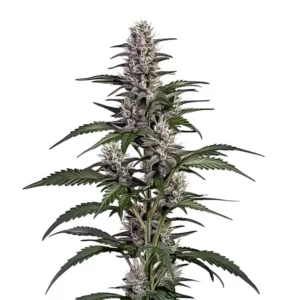
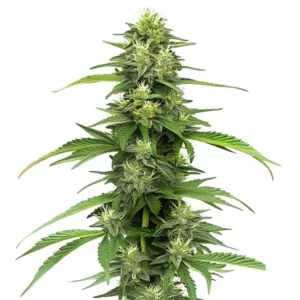
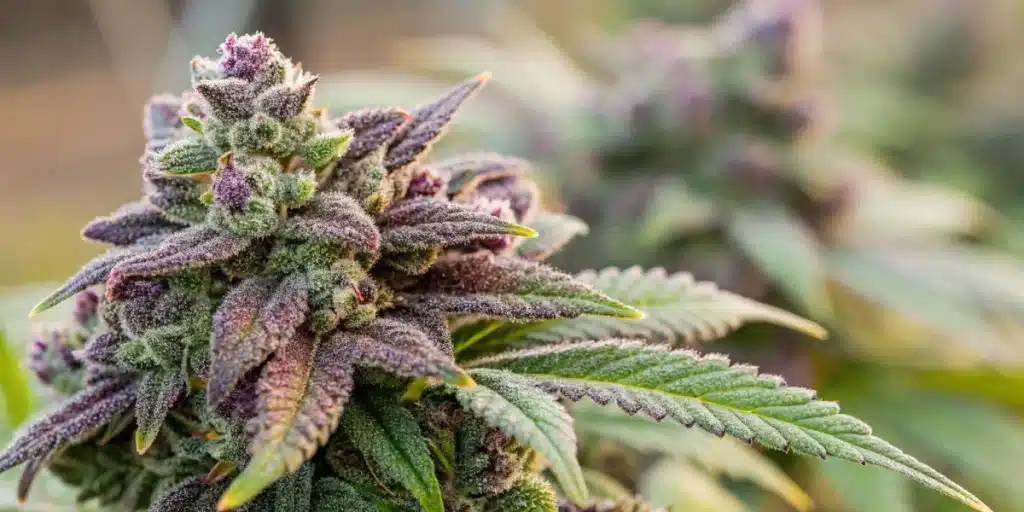
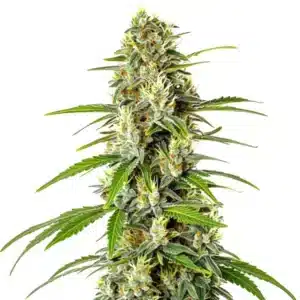
Humboldt is a heavily relaxing, indica-leaning feminized strain named after the legendary Californian growing region. It pairs a smooth 17–21% THC with a notable 2% CBD, an earthy, herbal flavour and a laid-back, soothing effect, on a sturdy, productive plant that is genuinely easy to grow.
Built from Humboldt crossed with Afghan Kush, this is a 60% indica, 40% sativa strain that leans on its Afghani roots for dense resin, a grounded aroma and a soothing body effect. It is a dependable, no-fuss classic rather than a flashy modern hybrid, the kind of reliable indica that rewards growers who value an easy, consistent plant.
Recommended Strains

Humboldt

|
THC | 17% - 21% (Medium) |

|
Type | Feminized |

|
Yield | High |

|
Phenotype | 60% Indica / 40% Sativa |
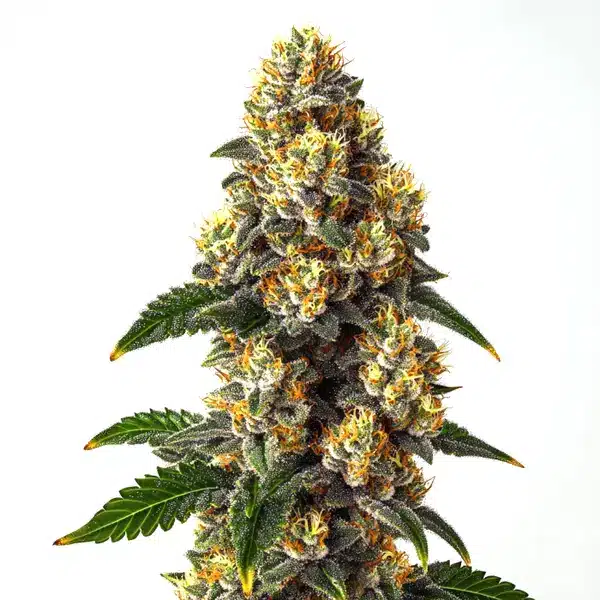
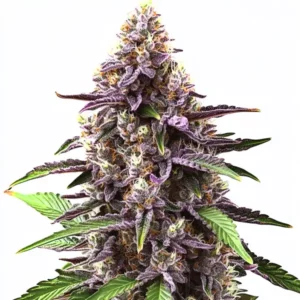
Bubba Kush
|
|
THC | 14% - 19% (Medium) |
|
|
Type | Feminized |
|
|
Yield | High |
|
|
Phenotype | 80% Indica / 20% Sativa |
Because it is forgiving, productive and beginner-friendly, Humboldt is a great first grow. You can see the full genetics and buy Humboldt feminized seeds on the strain page, and browse more of our feminized range alongside it.
Strain Profile at a Glance
| THC | 17–21% (medium) |
|---|---|
| CBD | 2% |
| Lineage | Humboldt x Afghan Kush |
| Type | Feminized |
| Genetics | 60% Indica / 40% Sativa |
| Climate | Temperate |
| Flowering time | 8–10 weeks |
| Harvest | October |
| Height | 4.92 ft / 1.5 m |
| Yield | High |
| Yield indoor | 1.64 oz/ft² (500 g/m²) |
| Yield outdoor | 17.64 oz/plant (500 g/plant) |
| Grow difficulty | Beginner-friendly |
| Flavors | Earthy, Herbal |
| Effects | Laid-back, Night-time relaxing, Deeply soothing |
Promos & Deals
Climate and Where to Grow It
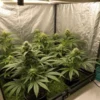
Humboldt does well in a temperate climate with mild, steady conditions and good light. Its hardy Afghani heritage makes it tough and forgiving, so it handles both an outdoor plot and a controlled indoor tent with ease, staying manageable at around 1.5 m.
Outdoors it finishes around October, and a single plant can bring in a solid 500 g in a good spot, with indoor plants producing a similar 500 g/m². Keep humidity in check as the dense, resinous indica buds fill in to protect the grounded aroma and heavy resin.
Indoors, aim for daytime temperatures around 68–80°F (20–27°C) and keep steady airflow through the canopy. A tidy, well-lit space gets the most out of this reliable producer.
Growing Feminized Photoperiod Seeds
As a feminized strain, every seed grows into a flowering female, so there is no need to sex the plants or remove males. That keeps the grow simple and means no wasted time or space on plants you would only cull.
Being a photoperiod plant, Humboldt flowers on a light change rather than on age. Grow it under a long day (around 18 hours of light) through the vegetative stage, then switch to a 12/12 cycle to trigger flowering. A longer veg builds a bigger frame and a bigger harvest, while a shorter veg keeps the plant compact.
Feeding Schedule (EC Guide)
Humboldt is a steady, productive feeder, so you can feed it through bloom to support the resinous buds, but still start low and build up as it asks. Taper off for the final flush so the clean, earthy flavour stays crisp.
| Stage | EC (mS/cm) | Notes |
|---|---|---|
| Seedling | 0.4–0.6 | Very light feed, focus on healthy root growth |
| Vegetative growth | 0.8–1.2 | Build the frame, raise nitrogen gradually |
| Early flower | 1.2–1.4 | Shift toward bloom nutrients (P and K) |
| Full flower | 1.4–1.6 | Peak bloom feed while the buds swell |
| Flush | 0.0–0.4 | Plain water for the final 1–2 weeks |
Flowering and Harvest
Once you flip to 12/12, bloom runs about 8–10 weeks. The indica dominance shows in the structure: compact spacing and dense, resinous buds in classic Afghani style rather than long, stretchy branches, which suits its tidy frame.
Keep the canopy open so light reaches the lower bud sites and the resin builds evenly. Harvest when most trichomes have turned cloudy with a few amber heads for the fullest, most soothing expression, and run a short plain-water flush in the last week or two before you cut.
Drying and Curing
Dry whole plants or branches in a dark room at around 60°F (15–18°C) and 55–60% humidity for 7–14 days, until the thin stems snap rather than bend. A slow, even dry stops the dense buds staying damp in the middle while the outside dries, which protects the clean, earthy-herbal aroma.
Then cure the trimmed buds in sealed jars, burping them daily for the first week and letting them settle for three to four weeks. A proper cure brings the grounded, earthy, herbal character forward and smooths the smoke, which is exactly what this classic Afghani-rooted indica deserves.
What to Do With Your Trim
Don’t bin the sugar leaves you remove while manicuring. Humboldt is a frosty, resinous plant, so the trim is excellent for dry sift, bubble hash or rosin, giving you a bonus run of concentrate from material most growers simply throw away.
Flavor and Terpenes
Humboldt has a clean, grounded flavour of earth and herbs, a classic, no-nonsense indica profile rather than a sweet or fruity one. It is savoury and resinous, exactly what you expect from an Afghani-heavy kush cross.
It carries a deep terpene stack. Six stand out: myrcene anchors the earthy, musky base; humulene adds a woody, earthy depth; caryophyllene brings a peppery warmth; borneol grounds it with an earthy, camphor-like note; eugenol adds a herbal, clove-like touch; and cedrene rounds it out with a dry, woody note. A supporting cast of alpha-pinene, camphene, fenchol and more fills in the fresh, herbal corners.
Effects and Best Use
With its 60% indica base, Humboldt is reported as laid-back, deeply soothing and best suited to night-time relaxing. It is a full-bodied, settling profile, very much an evening or wind-down strain rather than a daytime one.
The smooth 17–21% THC, paired with a notable 2% CBD, keeps it mellow and approachable rather than overpowering, which is part of its easygoing appeal. That soothing effect, the reliable yield and the clean earthy-herbal flavour make it a relaxing, low-fuss grow for anyone who loves a classic indica.
Common Problems and Pro Tips
Humboldt is a tough, forgiving grow, but it is a dense 60% indica built for night-time relaxation, so airflow and cure come first.
- Watch the humidity: its dense indica buds trap moisture, so keep flowering humidity down and run a fan through the canopy to prevent bud rot late in bloom.
- Open up the canopy: as a bushy indica the lower buds can get shaded, so defoliate lightly to get light and air down through the plant.
- Lean on its toughness: it is a hardy, forgiving strain, so it handles minor mistakes well, but steady feeding through bloom still pays off in the final weight.
Expert tip: the clean, grounded earth-and-herb flavour is subtle, so a slow dry and a patient cure matter. Give it a few weeks in jars so that calm, earthy character comes through clearly.
Frequently Asked Questions
Is Humboldt indica or sativa?
It is indica-dominant, at 60% indica and 40% sativa, which gives it a laid-back, soothing, body-leaning effect. That indica lean shapes the plant into a fairly dense, bushy structure, so keep air moving through the canopy and defoliate lightly so light and air reach the lower buds in flower.
How long does it take to flower?
About 8 to 10 weeks once you switch to a 12/12 light cycle, with outdoor plants finishing around October. Its dense buds benefit from good airflow through that window, so keep a fan moving air across the canopy and check trichomes toward the end to catch your preferred ripeness.
Do I need to sex the plants?
No. These are feminized seeds, so every plant grows into a flowering female. There is no need to identify or remove males, which keeps the grow simple and makes better use of your space, since every seed you plant turns into a productive plant rather than a male you would have to cull.
Is Humboldt good for beginners?
Yes. It is tough, forgiving and productive, which makes it one of our more beginner-friendly strains. Keep the canopy open with a light defoliation and manage humidity in bloom, since the indica buds are dense, and it is straightforward. Steady feeding through bloom pays off in the final weight.
What does Humboldt taste like?
Expect a clean, grounded flavour of earth and herbs, driven by its myrcene, humulene, caryophyllene and borneol terpenes rather than any sweet or fruity note. Dry slowly in a cool, dark space and cure in jars so that calm, earthy character comes through clearly in the finished flower.
How much does it yield?
It is a strong producer: 1.64 oz/ft² (500 g/m²) indoors, and around 17.64 oz (500 g) per plant outdoors in a good season. Good airflow around its dense buds and an open canopy help this tough, reliable plant finish that yield clean and heavy at harvest time.