How to Grow Coma Weed Strain

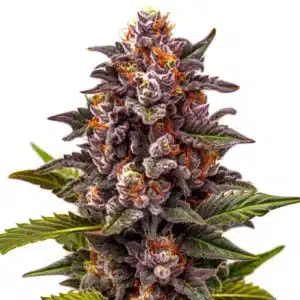
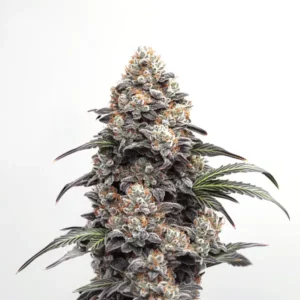
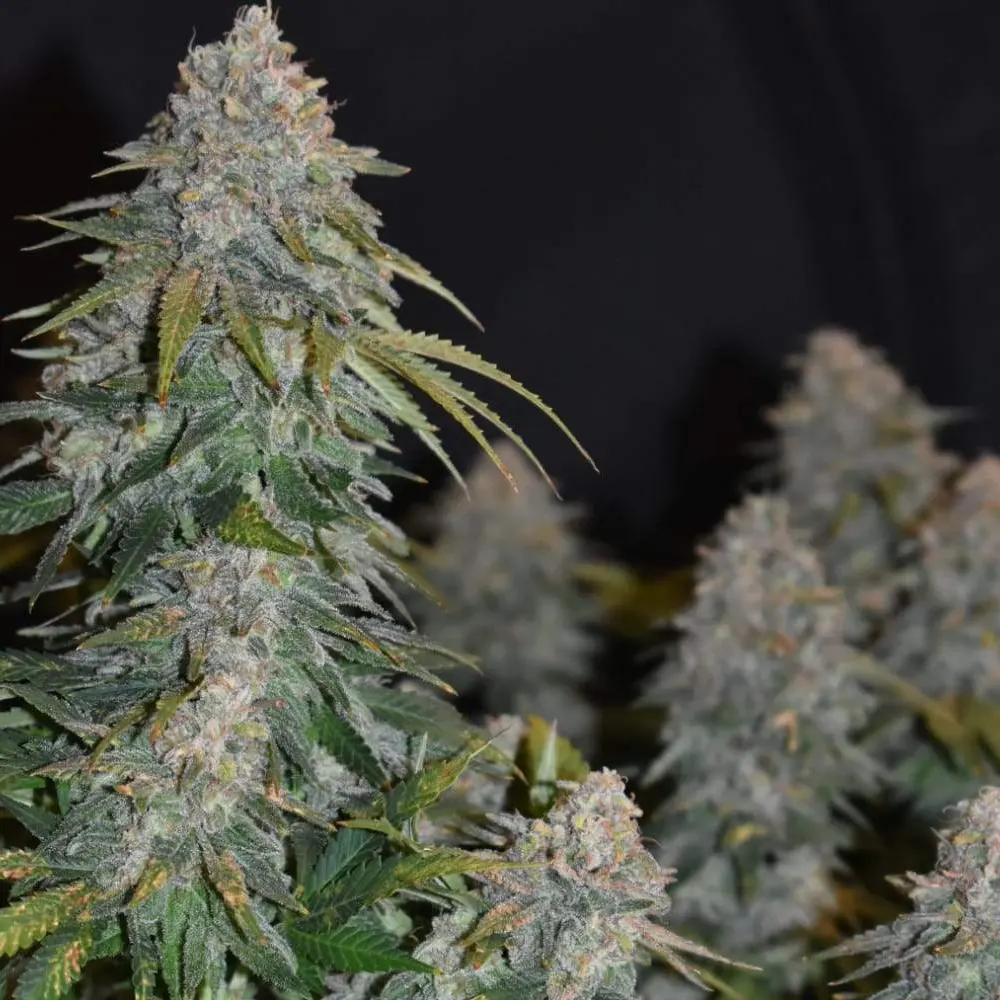
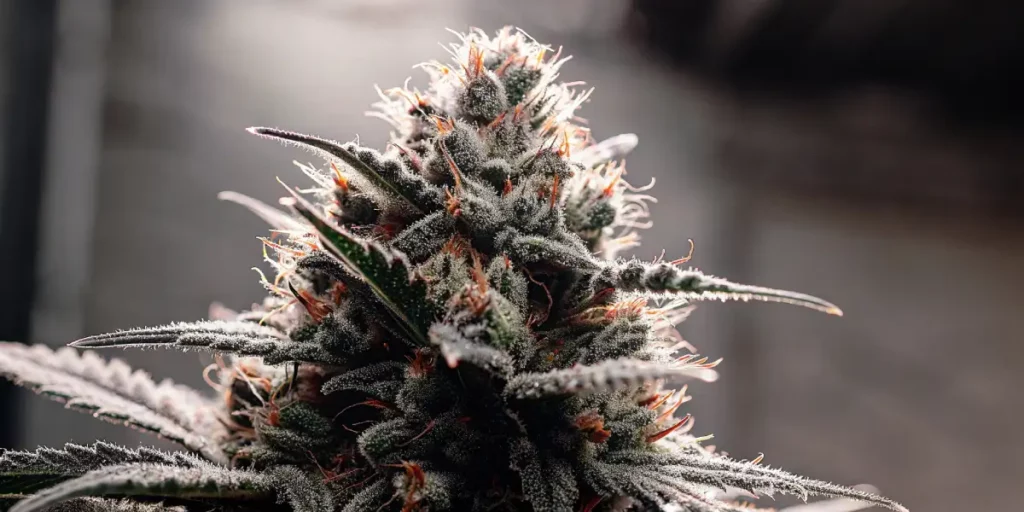
Coma Strain Overview: Coma Strain is a powerful hybrid cannabis strain, predominantly Indica, known for its high THC levels between 24% and 26%. This strain combines Skunk #1 and Cheese, resulting in a deeply relaxing effect ideal for stress relief and pain management. Its dense, trichome-rich buds and unique flavor profile make it a favorite among users.
The Coma strain is celebrated for its rich terpene profile, dominated by Caryophyllene and Myrcene, which contribute to its spicy and earthy aroma. With a flowering time of 8-10 weeks, it thrives in both indoor and outdoor environments. This strain’s robust growth and unique flavor make it a standout choice for cannabis enthusiasts.
Recommended Strains


What is Coma Strain?
Coma Strain Indica or Sativa?
Coma Strain is predominantly an Indica hybrid, resulting from the crossbreeding of Skunk #1 and Cheese. This genetic lineage provides it with a strong Indica dominance, leading to its deeply relaxing effects. Indica strains are typically known for their sedative properties, making them ideal for nighttime use or for those seeking stress relief.
With THC levels ranging from 24% to 26%, Coma Strain offers potent effects that are characteristic of Indica strains. This high THC content contributes to its efficacy in alleviating pain and promoting relaxation. Its dense buds are covered in trichomes, enhancing its potency and appeal.
Coma Weed Strain’s Unique Characteristics
The Coma Weed Strain stands out due to its aromatic profile, which blends the pungent scent of cheese with citrus and sweet undertones. This combination results in a delightful sensory experience that is both flavorful and aromatic. The dominant terpenes, Caryophyllene (0.4-0.7%) and Myrcene (0.8-1.2%), enhance its relaxing effects.
Caryophyllene provides a spicy, peppery aroma and interacts with CB2 receptors, offering anti-inflammatory benefits. Myrcene, known for its earthy and musky scent, enhances THC uptake, contributing to the strain’s potent effects. Together, these terpenes create a unique entourage effect, amplifying the strain’s therapeutic potential.
Promos & Deals


Growing Coma Weed Strain
Indoor vs Outdoor Cultivation
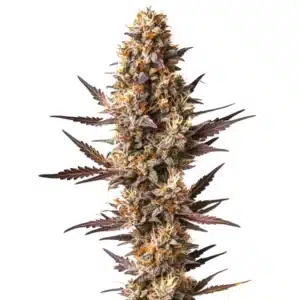
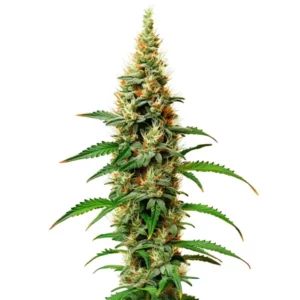
Coma Weed Strain thrives in both indoor and outdoor settings, with each environment offering distinct advantages. Indoor cultivation allows for precise control over environmental factors such as temperature, humidity, and light cycles. Maintaining a temperature range of 70-80°F (21-27°C) and a humidity level of 50-60% is crucial for optimal growth.
Outdoor cultivation benefits from natural sunlight, which can enhance the plant’s terpene profile. Selecting a location with at least 6-8 hours of direct sunlight per day is essential. In regions with shorter summers, using a greenhouse can extend the growing season and protect the plants from adverse weather conditions.
Environmental Requirements
Creating the ideal environment for Coma Weed Strain involves maintaining stable conditions throughout its growth cycle. During the vegetative stage, a light cycle of 18-20 hours per day is recommended, transitioning to a 12/12 cycle during flowering. High-quality LED or HPS lights are ideal for providing the necessary illumination.
Proper ventilation is crucial to prevent mold and mildew, especially during the flowering phase. Using a carbon filter can help manage the strong aroma produced by the strain. Additionally, maintaining a pH level between 6.0 and 6.5 ensures optimal nutrient absorption and healthy plant development.
Advanced Cultivation Techniques
To maximize the yield and potency of Coma Weed Strain, consider implementing advanced cultivation techniques. Low-stress training (LST) can improve light penetration and increase bud sites without causing plant stress. This method involves gently bending and tying down branches, allowing for more even light distribution.
Additionally, maintaining the optimal pH level is crucial for nutrient uptake. In soil, aim for a pH of 6.5, while hydroponic systems should maintain a pH range of 5.5 to 6.5. Regular monitoring and adjustment of pH levels can prevent nutrient lockout and ensure healthy plant growth.
| Feature | Siberian | Bruce Banner 2.0 | Pineapple Kush |
|---|---|---|---|
| THC Content | 24-28% | 25-30% | 18-22% |
| Dominant Terpene | Myrcene | Caryophyllene | Limonene |
| Flowering Time | 8-9 weeks | 9-10 weeks | 7-8 weeks |
| Yield | 18-22 oz/plant (500-620 g/plant) | 21-25 oz/plant (600-700 g/plant) | 14-18 oz/plant (400-500 g/plant) |
| Effect | Relaxing | Euphoric | Uplifting |
Effects and Benefits of Coma Strain
Medical Uses
Coma Strain is particularly effective for medical users seeking relief from chronic pain, stress, and insomnia. Its high THC content, combined with its Indica dominance, makes it a powerful option for alleviating physical discomfort and promoting relaxation. Patients often report significant improvements in sleep quality and reductions in anxiety levels.
In addition to its pain-relieving properties, Coma Strain’s terpene profile enhances its therapeutic potential. Caryophyllene, known for its anti-inflammatory effects, can aid in reducing inflammation-related pain. Myrcene’s sedative properties further contribute to the strain’s effectiveness in treating insomnia and anxiety.
Sensory and Effect Profile
The sensory experience of Coma Strain is characterized by its pungent cheese aroma, complemented by sweet and citrus undertones. This unique flavor profile is a result of its diverse terpene composition. Users often describe the effects as deeply relaxing, providing a full-body high that eases tension and promotes a sense of calm.
Coma Strain’s effects typically onset within minutes, with the high lasting several hours. Its relaxing properties make it ideal for evening use, helping users unwind after a long day. The strain’s ability to induce euphoria and happiness further enhances its appeal for both recreational and medicinal users.
Professional Tips for Growing Coma Strain
- Maintain 70-80°F (21-27°C) during growth. Temperatures outside this range can stunt development. Use a digital thermometer for accuracy.
- Ensure 50-60% humidity in flowering. Above 65% risks mold; below 45% can dry out the buds. Use a hygrometer to monitor.
- Use N:P:K 3:1:2 during vegetative stage. Imbalances can lead to nutrient deficiencies. Adjust based on plant response.
- Switch to N:P:K 1:3:2 in flowering. High nitrogen can delay flowering. Monitor plant health and adjust as needed.
- Employ low-stress training (LST) to improve light penetration. Avoid high-stress techniques that can cause hermaphroditism.
- Harvest when trichomes are milky with some amber. Premature harvesting reduces potency. Use a magnifying glass for inspection.
FAQs About Coma Strain
Is coma a sativa or indica?
Coma Strain is predominantly Indica, resulting from a cross between Skunk #1 and Cheese. Its Indica dominance provides deeply relaxing effects, making it ideal for stress relief and pain management. The strain’s high THC levels, ranging from 24% to 26%, contribute to its potent sedative properties.
What are the parents of Oklahoma coma strain?
The Oklahoma Coma Strain is a hybrid derived from Skunk #1 and Cheese. This genetic combination results in a strain with high THC levels, typically between 24% and 26%, and a robust Indica dominance. Its lineage contributes to its relaxing effects and unique aromatic profile.
How can I optimize Coma Strain’s terpene profile?
To enhance Coma Strain’s terpene profile, maintain temperatures between 70-80°F (21-27°C) and humidity levels at 50-60%. Proper environmental control during the flowering phase can increase terpene production, enhancing the strain’s aroma and flavor. Avoid excessive heat, which can degrade terpenes.
What makes Coma Strain suitable for medical use?
Coma Strain’s high THC content and Indica dominance make it effective for medical use, particularly in treating chronic pain, stress, and insomnia. Its terpene profile, including Caryophyllene and Myrcene, offers additional anti-inflammatory and sedative benefits, enhancing its therapeutic potential.
Can Coma Strain be grown outdoors?
Yes, Coma Strain can be successfully grown outdoors, provided it receives at least 6-8 hours of direct sunlight daily. It thrives in temperate climates with moderate humidity. In regions with shorter summers, using a greenhouse can extend the growing season and protect the plants from adverse weather.