How to grow Northern Lights Auto cannabis seeds in Europe

Key Growth Insight: Northern Lights Auto cannabis develops optimally when managed with a week-by-week approach. This strain typically completes its life cycle in about 9-12 weeks, with flowering occurring between weeks 7 and 10. Its auto-flowering nature allows for adaptability across different climates, making it suitable for both indoor and outdoor cultivation. Consistent monitoring ensures healthy growth and maximized yield.
Embarking on the Northern Lights Auto cultivation journey involves understanding its unique terpene profile and flowering dynamics. Dominated by myrcene, this strain offers earthy aromas with a hint of sweetness. The flowering period spans 9-12 weeks, making it versatile for various growing environments. This guide will delve into the specifics of each growth phase, ensuring you achieve optimal results.
Recommended Strains

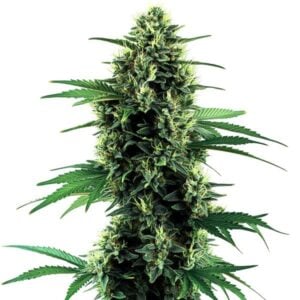
Northern Lights Autoflower

|
THC | 10% - 14% (Low) |

|
Type | Autoflowering |

|
Yield | High |

|
Phenotype | 80% Indica / 20% Sativa |

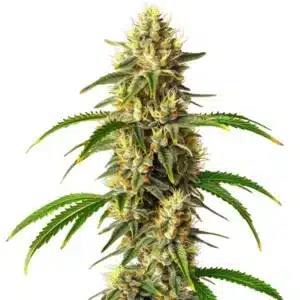
Northern Lights Autoflower F1
|
|
THC | 14% - 20% (Medium) |
|
|
Type | Autoflowering F1 |
|
|
Yield | High |
|
|
Phenotype | 80% Indica / 20% Sativa |
Introduction to Northern Lights Auto
Why Choose Northern Lights Auto?
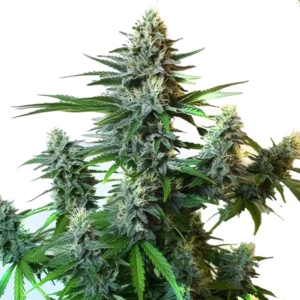
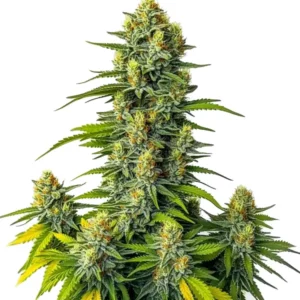
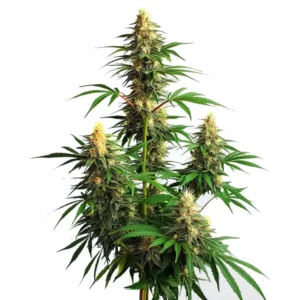
Northern Lights Auto is a predominantly indica strain known for its robust vegetative growth and compact structure. It features thick central stems and lateral branches, ideal for discreet cultivation. This strain, a cross between Northern Light and Lowryder, boasts a shortened flowering time, allowing for multiple harvests within a single growing season.
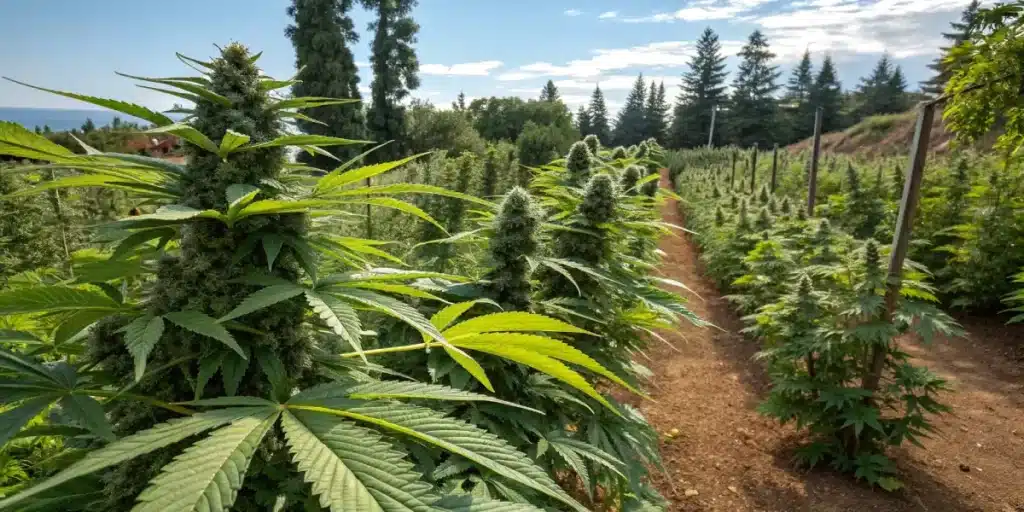
With a compact size due to its short internodal distance, Northern Lights Auto produces dense, resinous flowers. This makes it perfect for growers seeking discretion, as it requires minimal space and can be cultivated safely on balconies or terraces. Indoors, it flowers in 9-12 weeks, while outdoor harvests occur from April to October.
Promos & Deals



Week-by-Week Growth Stages
Weeks 1-2: Germination and Seedling
During the initial weeks, focus on germinating seeds in a controlled environment. Maintain temperatures between 68°F and 77°F (20°C and 25°C) and ensure humidity levels are around 70%. This promotes healthy sprouting and root development. Once germinated, transfer seedlings to small pots with a light, well-draining soil mix.
Keep the soil consistently moist but not waterlogged to prevent root rot. Use a balanced N:P:K ratio of 3:1:2 to support early growth. Avoid overwatering, as this can lead to damping-off, a common seedling disease. Monitor the environment closely to ensure stable conditions for optimal seedling health.
Weeks 3-4: Early Vegetative Stage
As seedlings develop their first set of true leaves, begin the hardening-off process. Gradually expose them to outdoor conditions by increasing sunlight exposure daily. By the end of week 4, they should be ready for transplanting into their permanent outdoor location. Ensure the site receives at least 6-8 hours of direct sunlight daily.
Introduce a nitrogen-rich fertilizer to support vegetative growth, maintaining a N:P:K ratio of 3:1:2. This stage is crucial for establishing a strong plant structure. Use low-stress training (LST) techniques to encourage even canopy development, which enhances light penetration and boosts future yields.
| Feature | Northern Lights Auto | White Widow Auto | Blue Dream Auto |
|---|---|---|---|
| THC Content | 15-20% | 18-22% | 16-20% |
| Flowering Time | 9-12 weeks | 8-10 weeks | 9-11 weeks |
| Dominant Terpene | Myrcene | Caryophyllene | Pinene |
| Yield (Outdoor) | 21-25 oz/plant | 20-24 oz/plant | 23-27 oz/plant |
| Height | 2-3 ft | 2-3 ft | 3-4 ft |
Weeks 5-6: Full Vegetative Growth
During full vegetative growth, Northern Lights Auto will focus on vigorous stem and leaf development. Increase nitrogen feeding to support rapid growth and water deeply but less frequently to encourage root expansion. In warmer regions, soil can dry quickly, so monitor moisture levels closely.
Implement LST techniques to gently bend branches, allowing more light to reach lower parts of the plant. This maximizes yield potential during the flowering phase. Maintain a consistent light schedule of 20/4 to optimize growth, ensuring plants receive adequate rest and energy for development.
Weeks 7-8: Transition to Flowering
As Northern Lights Auto transitions into flowering, adjust the nutrient regimen to include higher phosphorus and potassium levels, essential for bud development. Maintain a relative humidity of 40-50% to prevent mold and mildew. This stage is critical for setting the foundation for healthy bud formation.
Monitor the plant closely for signs of nutrient deficiencies or pest infestations. Ensure adequate airflow around the plant to reduce the risk of bud rot, especially in dense flowering areas. This period is when the plant begins to show its full potential, with buds starting to form and resin production increasing.
Weeks 9-12: Full Flowering and Harvest
During these weeks, the buds will reach their maximum size and density. Trichomes will become more prominent, indicating peak potency. Maintain optimal temperatures and continue to monitor humidity levels closely. Provide a bloom-specific nutrient solution to enhance flavor and potency.
As harvest approaches, flush the plants with pure water to remove any residual nutrients. This ensures a smoother smoke and better flavor. Use a magnifying glass to check trichome color; harvest when they are milky white with some amber for the best results. This is the final stage of the Northern Lights Auto’s life cycle, culminating in a bountiful harvest.
Professional Tips for Northern Lights Auto Cultivation
- Maintain 70% humidity during germination. High humidity promotes root development, but levels above 75% can cause mold. Use a digital hygrometer for accuracy.
- Use a 20/4 light schedule for autoflowers. This balance maximizes photosynthesis while allowing rest. Avoid 24-hour light, which can stress plants.
- Apply LST during weeks 5-6. This technique increases light exposure and yield. Avoid high-stress training, which can stunt growth.
- Monitor soil pH at 6.0-7.0. This range optimizes nutrient uptake. pH outside this range can lead to deficiencies. Test regularly with a pH meter.
- Flush plants with water two weeks before harvest. This removes excess nutrients, improving flavor. Neglecting this step can result in harsh smoke.
- Check trichomes for harvest readiness. Milky white with some amber indicates peak potency. Harvesting too early or late affects quality.
FAQs on Northern Lights Auto Growing
How many weeks for Northern Lights auto?
Northern Lights Auto typically takes 9-12 weeks from seed to harvest. This includes a flowering phase that generally starts around week 7. Its auto-flowering genetics allow for flexibility in various climates, making it suitable for both indoor and outdoor cultivation. Regular monitoring ensures optimal growth and timely harvest.
What is the light cycle for Northern Lights autoflower?
The ideal light cycle for Northern Lights Auto is 20 hours of light followed by 4 hours of darkness. This schedule maximizes photosynthesis while providing necessary rest. Unlike photoperiod strains, autoflowers do not rely on light cycles to trigger flowering, making them versatile for different growing conditions.
What should my autoflower look like at 4 weeks?
By week 4, your Northern Lights Auto should exhibit a robust vegetative structure with multiple sets of true leaves. The plant should be approximately 6-12 inches tall. Ensure it receives adequate light and nutrients to support continued growth. Any signs of yellowing or stunted growth may indicate nutrient deficiencies.
What week do buds fatten the most?
Buds on Northern Lights Auto typically fatten the most during weeks 9-10. This is when the plant is in full flowering mode, and resin production peaks. Ensure a bloom-specific nutrient regimen is followed to support this critical phase, enhancing both yield and potency.
Can I grow Northern Lights Auto outdoors in cold climates?
Yes, Northern Lights Auto can be grown in cold climates due to its auto-flowering nature. Start in early spring to maximize sunlight, and consider using greenhouses or protective covers to shield against unexpected cold snaps. This adaptability makes it a great choice for various European regions.