Best Strains for Hash and Concentrates

Quick answer: The best strains for hash and concentrates are high-resin, trichome-heavy cultivars. Top picks like Critical Daddy Purple, GG4 and Z OG pack dense trichomes, which means a bigger, more flavorful yield of rosin, bubble hash or dry sift.
What these strains share is a rich terpene profile and heavy resin, which is exactly what you want for extracts, plus a manageable 8-10 week flowering time. Below we cover what makes a strain good for concentrates, the top picks, and how to grow for maximum resin.
Recommended Strains
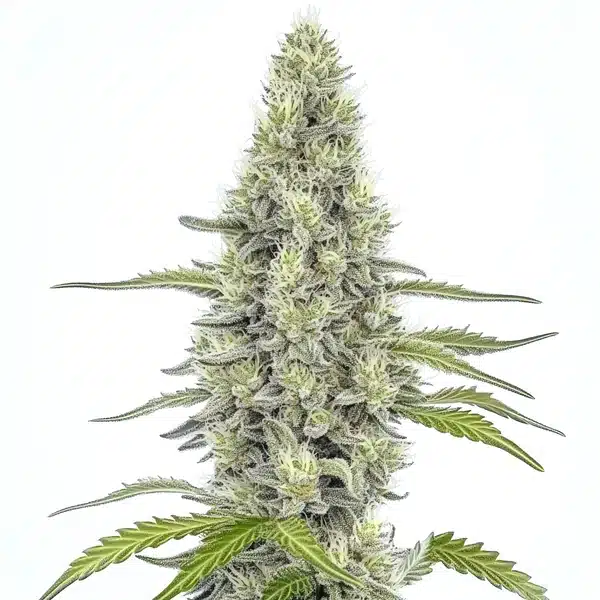
Mazar

|
THC | 20% (Medium) |

|
Type | Feminized |

|
Yield | Medium |

|
Phenotype | 90% Indica / 10% Sativa |
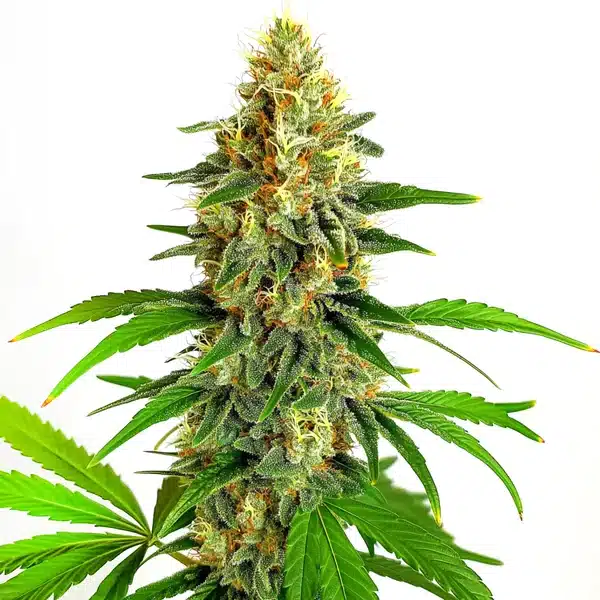
Mazar Auto
|
|
THC | 8% - 10% (Low) |
|
|
Type | Autoflowering |
|
|
Yield | High |
|
|
Phenotype | 65% Indica / 35% Sativa |
What Makes a Strain Good for Concentrates?
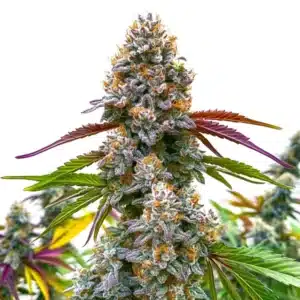
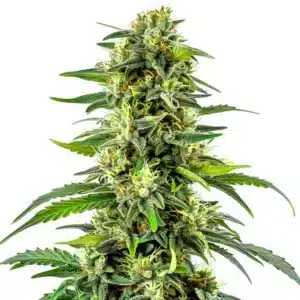
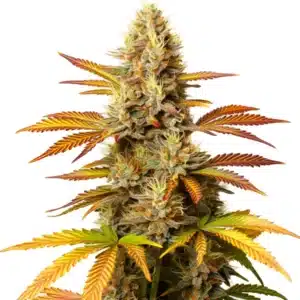
The single most important trait is trichome production. Trichomes are the resinous glands that hold the cannabinoids and terpenes, so a strain caked in them simply yields more, and more potent, concentrate. That is why extractors chase frosty, resin-heavy genetics above all else.
High-THC, trichome-rich strains (often 25-30% THC) are the usual favorites, since they boost both potency and aroma in the final extract. Terpenes like myrcene and caryophyllene add the earthy, peppery depth that makes a concentrate taste as good as it hits.
Promos & Deals
Top Strains for Hash and Concentrates
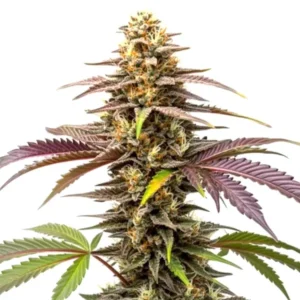
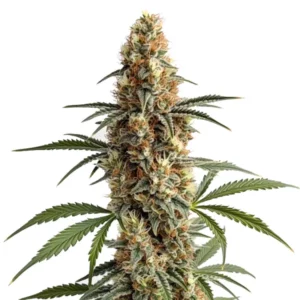
Critical Daddy Purple (sweet, fruity), GG4 (earthy, piney) and Z OG (candy-like) are standout choices, each resin-heavy and genetically built for extraction. Here is how they compare:
| Strain | THC | Dominant terpene | Flavor | Best for |
|---|---|---|---|---|
| Critical Daddy Purple | 22-26% | Myrcene | Sweet, fruity | Hash making |
| GG4 | 25-30% | Caryophyllene | Earthy, piney | Rosin |
| Z OG | 20-24% | Limonene | Candy-like | Bubble hash |
For more potent, frosty options to extract from, browse our high-THC seeds.
Growing for Maximum Resin
Resin loves a stable environment: 68-77F (20-25C) and 50-60% humidity encourage trichome development while keeping mold away. In flower, a bloom-focused N:P:K around 1:3:2 supports dense buds and trichome density, as long as you avoid overfeeding, which burns the plant and cuts yield.
Handling matters as much as growing: trichomes are fragile, so avoid touching the buds, harvest at peak trichome maturity, and keep everything cool and dark to preserve the resin heads intact. Many hash makers also work with fresh-frozen material to capture terpenes before they degrade, which is the foundation of live rosin and live resin.
Expert Tips for More Resin
Training helps too: topping and LST open up the canopy so more bud sites get light, which means more flower and more resin. Keep an eye out for stress signs like wilting or discoloration and fix them fast, since a stressed plant puts its energy into survival rather than resin.
Professional Tips for Concentrate Production
- Cure at 58-62% humidity to protect the terpenes that make a flavorful extract.
- Run a strict 12/12 photoperiod in flower for dense, resinous buds.
- Feed a bloom-focused N:P:K (around 1:3:2) to build trichome density; avoid overfeeding.
- Check trichomes with a loupe and harvest when they are mostly milky for peak resin.
- Store finished concentrate in airtight glass at 59-70F (15-21C), away from light.
- Start from genetics bred for resin, like the strains above.
Best Strains by Type of Hash
The same high-resin strains shine across every hash type, with small nuances. For bubble hash and dry sift, trichome density and a sticky resin profile matter most, so the heads separate cleanly. For hash rosin, you also want a rich terpene profile for flavor, which is where GG4 excels. Whichever method you choose, start with a genuinely frosty strain and the rest follows. If you are new to the terms, see our guide on extracts vs concentrates.
In short, match the material to the method: dense, sticky, trichome-heavy strains suit bubble hash and dry sift, while fresh-frozen, terpene-rich flower is ideal for live rosin where flavor is the priority. Pressing rosin rewards strains with large, intact trichome heads, so resin quality, not just quantity, is what separates a good hash strain from a great one.
Hash vs Rosin vs Bubble Hash: Quick Guide
The same frosty strains shine across every concentrate, but the method changes what you make. Dry sift and bubble hash are solventless: dry sift separates trichome heads with fine screens, while bubble hash uses ice water and mesh bags to wash them off. Both reward strains with large, sticky trichome heads that detach cleanly. Rosin is also solventless, pressing flower or hash with heat and pressure to squeeze out resin; it favors fresh, terpene-rich genetics for flavor. Solvent extracts like shatter and wax use butane or CO2 and can pull more total resin, but they need proper purging. For a beginner, bubble hash is the most accessible entry point and needs nothing more than ice, water and bags.

FAQs on Cannabis Concentrates
Are solventless concentrates better than solvent ones?
Neither is simply better; they are different. Solventless concentrates like rosin and bubble hash use no chemicals, which many people prefer for a cleaner, full-flavored product. Solvent extracts like shatter can reach higher yields and specific textures. The quality of the starting flower matters more than the category, so start with a resin-heavy strain either way.
Which concentrate gives the best high?
Many people rate rosin highest because it is solventless and keeps the full spectrum of cannabinoids and terpenes, for a rich, full-flavored effect. It often tests above 70% THC. “Best” is subjective, though; live resin and well-made bubble hash are close rivals on flavor and potency.
Which terpenes are associated with pain relief?
Myrcene and linalool are the two most often discussed, studied for possible anti-inflammatory and calming effects. People exploring cannabis for conditions like fibromyalgia sometimes look for them, but the human evidence is limited. This is background information, not medical advice; talk to a doctor about any health condition.
Is cannabis used for seizures?
CBD has been studied for certain seizure disorders, and a prescription CBD medicine (Epidiolex) is approved for specific epilepsies. High-CBD, low-THC strains are of interest for that reason. Epilepsy is a serious medical condition, though, so this is not medical advice: anyone considering cannabis for seizures must speak with a doctor first.
What strain yields the most rosin?
GG4 is a go-to for high rosin yield thanks to its dense, sticky trichomes and THC that can reach 30%. Its resin-heavy genetics press into potent, flavorful rosin. Other frosty, trichome-rich strains like Critical Daddy Purple also perform well for solventless extraction.
How should I store cannabis concentrates?
Keep them in airtight glass (silicone for daily handling) in a cool, dark place at 59-70F (15-21C). Air, light and heat are what degrade cannabinoids and terpenes. Stored properly, most concentrates hold their potency and flavor for several months.
Is hash stronger than flower?
Yes, usually much stronger. Because hash and other concentrates isolate the resin where the cannabinoids live, they test far higher than raw flower, often 40-60%+ for quality hash versus 15-30% for buds. That means a little goes a long way, so if you are used to flower, start with a very small amount of any concentrate.