White Powder on Weed: Trichomes, THCA or Mold?

Quick answer: White powder on weed is usually one of three things: frosty trichomes or kief (good, a sign of potency), THCA powder (a lab-made product, fine if tested), or powdery mildew, a mold that is harmful. Trichomes are sparkly and sticky; mold is dusty, musty and wipes off. If it looks powdery and smells off, do not smoke it.
Spotting white powder on your weed is understandably alarming, because it can mean two very different things: a sign of quality, or a health risk. The good versions are trichomes and kief, the frosty resin that holds the cannabinoids, or lab-made THCA powder. The bad versions are powdery mildew (a mold) or contaminant residue.
Recommended Strains

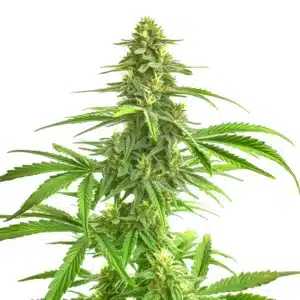
Mamba Negra

|
THC | 18% (Medium) |

|
Type | Feminized |

|
Yield | High |

|
Phenotype | 55% Indica / 45% Sativa |
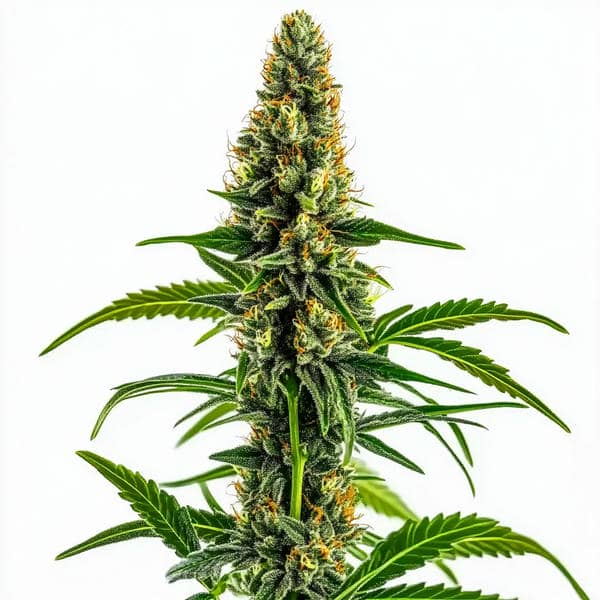
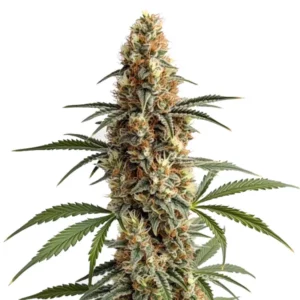
Mamba Negra CBD

|
CBD | 10% – 20% (Medium) |
|
|
Type | CBD Feminized |
|
|
Yield | High |
|
|
Phenotype | 70% Indica / 30% Sativa |
Telling them apart is the whole point, and it is usually straightforward once you know what to look and smell for. The table below sums it up, and the sections after explain how to confirm what you are dealing with and stay safe.
| White powder | What it is | Safe? |
|---|---|---|
| Frosty, crystal-like, sticky, sparkly | Trichomes / kief (resin) | Yes – a sign of potency |
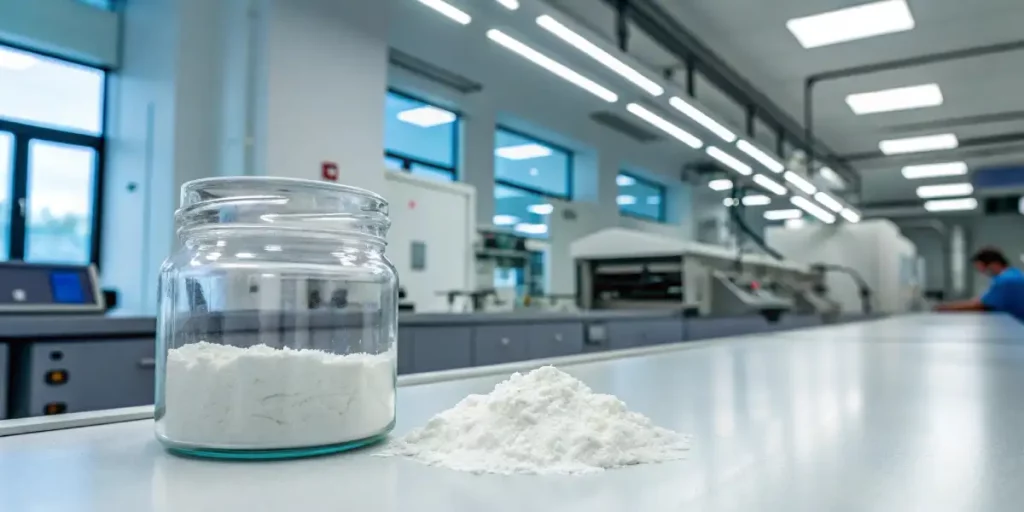
| Fine crystalline powder, sold as product | THCA powder/isolate (from reputable, lab-tested source) | Yes, if lab-tested |
| Dusty, powdery, fuzzy coating; wipes off | Powdery mildew (mold) | No – discard |
| Uneven, non-crystalline, no aroma | Possible contaminants/residue | No – avoid; buy lab-tested |
What the White Powder Could Be
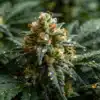
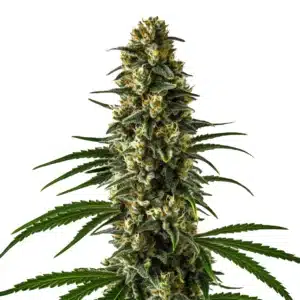
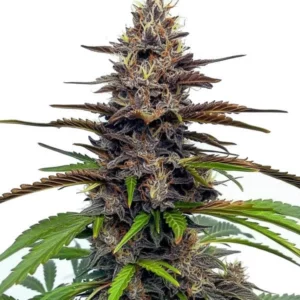
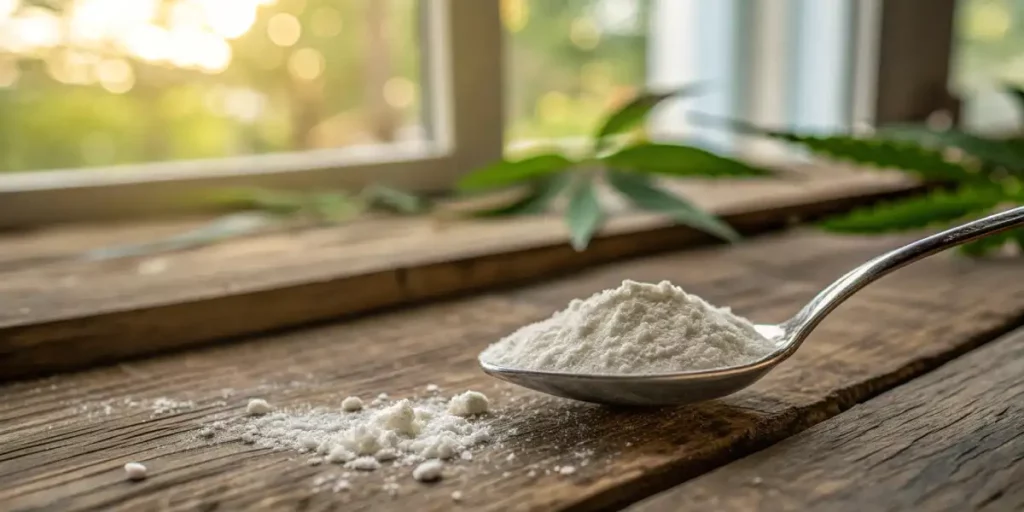
The most common harmless cause is simply resin: dense trichomes make buds look frosty, and loose trichomes collected as kief look like a pale, sticky powder. Both are desirable. Separately, THCA powder (or isolate) is a lab-refined crystalline product, near-pure and legitimate when it comes from a reputable, lab-tested source.
The causes to worry about are powdery mildew and contaminants. Powdery mildew is a fungus that thrives in humid, poorly ventilated grows and coats buds in a dusty white film. Contaminant residue, from pesticides or poor handling, can also show as an odd powder. These are health risks, which is why identifying the powder correctly matters so much.
Promos & Deals
How to Tell Trichomes from Mold
Use look, smell and touch. Trichomes are crystal-like and evenly spread, feel sticky and resinous, and smell strongly of the strain; under a loupe they look like tiny mushroom-shaped glands. Mold is different: a flat, dusty or fuzzy coating, often in dense or shaded spots, that wipes off and smells musty, damp or like hay rather than fragrant.
When in doubt, do not smoke it. Inhaling mold or contaminants can cause respiratory problems and is especially risky for anyone with asthma, allergies or a weakened immune system. For any product like THCA powder, insist on third-party lab results confirming purity and the absence of contaminants. If you cannot confirm the powder is trichomes or tested THCA, discard the bud.
Preventing Mold and Related Guides
For growers, powdery mildew is preventable with good airflow, humidity control (keep flowering humidity around 40-50%) and clean, uncrowded plants. Regular inspection catches it early, when it is a few spots rather than a coating. Proper drying and storage then keep harvested buds mold-free.
This guide focuses on identifying white powder; for related topics, see our guide on white weed and frost vs mold, our marijuana mold safety guide, and, if you specifically mean the product, our THCA isolate powder explainer.
It also pays to buy and store smart. Purchase flower and any THCA products from sources that provide third-party lab results, so you know what you are inhaling, and keep your own buds in airtight glass at the right humidity to stop mold developing after purchase. Good sourcing plus good storage is the simplest way to make sure any white you see is resin, not a problem.
Is White Powdered Weed Good or Bad?
It depends entirely on what the powder is, which is why it causes so much confusion. ‘White powdered weed’ that is coated in sticky, sparkly, aromatic trichomes (or dusted with kief) is a good thing: it signals a resinous, potent bud. Likewise, a legitimate, lab-tested THCA powder product is fine. In both cases the white is cannabinoid-rich resin, exactly what you want.
What is bad is white that turns out to be powdery mildew or contaminant residue. These look dusty or fuzzy rather than crystalline, wipe away easily, and smell musty or off instead of fragrant. So ‘white powdered weed’ is only good when the white is resin; when it is mold or residue, discard it. Judging by stickiness, sparkle and smell tells you which you have.
FAQs about White Powder on Weed
What is the white powder on my weed?
Usually trichomes or kief, the frosty resin that signals potency, which is good. It can also be lab-made THCA powder (fine if tested). The concern is powdery mildew, a mold, or contaminant residue. Trichomes are sparkly and sticky; mold is dusty, musty and wipes off. If it smells off, do not smoke it.
Is white powder on weed safe to smoke?
Only if it is trichomes/kief or lab-tested THCA. Those are safe and even desirable. If the powder is powdery mildew (mold) or an unidentified contaminant, it is not safe, inhaling mold can cause respiratory issues. When you cannot confirm it is resin or tested THCA, discard the bud rather than risk it.
How do I know if it is kief or mold?
Kief is crystalline, sticky, sparkly and strongly aromatic, and it clings to the bud. Mold (powdery mildew) is a flat, dusty or fuzzy film that wipes off easily, smells musty rather than fragrant, and often sits in dense, shaded spots. A magnifier helps: kief looks like resin glands, mold looks like powder or web-like strands.
Why does my weed look dusty or powdery?
Often it is kief, loose trichomes that rub off and gather as a pale, sticky dust, which is good and potent. But a dry, flat, non-sticky dust that wipes off and smells musty can be powdery mildew, which is unsafe. Check stickiness and smell: resin is sticky and aromatic, mold is dry and musty.