How Allelopathy Works in Cannabis Plants

Allelopathy is a fascinating natural phenomenon where plants release chemicals into their environment, affecting the growth and development of nearby plants. In cannabis cultivation, knowing how allelopathy works in cannabis plants can be a game-changer for growers aiming to maximize their crop yields. This might sound complex, but the core idea is simple: plants influence each other, for better or worse, through chemical interactions.
For first-time growers, grasping the concept of allelopathy can help in choosing the right companion plants or knowing why some cannabis strains thrive while others struggle. Experienced growers can refine their strategies for interplanting and crop rotation, enhancing the health and productivity of their cannabis plants. Let’s dive into the details of how allelopathy works in cannabis plants and how you can leverage it for better growth.
Recommended Strains

GG4

|
THC | 27% (High) |

|
Type | Feminized |

|
Yield | High |

|
Phenotype | 40% Indica / 60% Sativa |

Purple Lemonade Autoflower
|
|
THC | 20% - 22% (Medium) |
|
|
Type | Autoflowering |
|
|
Yield | Medium |
|
|
Phenotype | 70% Indica / 30% Sativa |
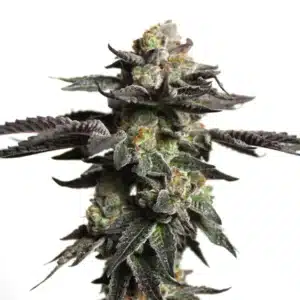
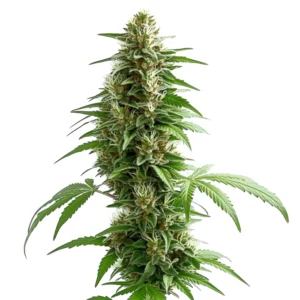
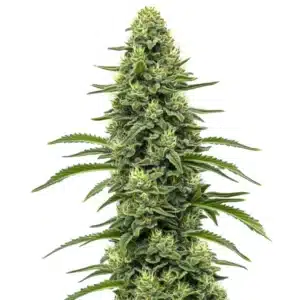
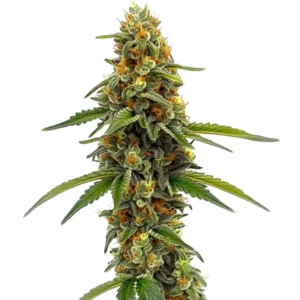
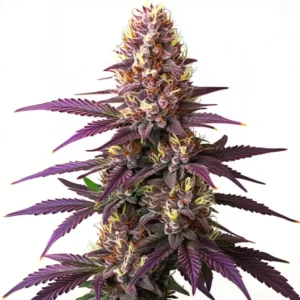
Some strains, like GG4 or Purple Lemonade Autoflower, are known for their strong growth patterns, which might be attributed to their allelopathic properties. These strains can potentially release chemicals that suppress the growth of weeds, giving themselves a competitive edge. On the other hand, knowing the allelopathy of strains like Gorilla Sherbet can help you position them in your grow room for optimal success.
Knowing Allelopathy in Cannabis Cultivation
Allelopathy in cannabis is all about how these plants interact with others in their environment. The chemicals released by cannabis roots, leaves, and even decaying plant matter can either inhibit or stimulate the growth of surrounding plants. This natural mechanism can be a double-edged sword, either benefiting your cannabis plants or causing unwanted competition.
Chemicals Involved in Allelopathy
The primary agents of allelopathy are chemicals known as allelochemicals. These can be found in various parts of the cannabis plant, including the roots, stems, and leaves. When released into the soil, these chemicals can affect the germination and growth of other plants nearby.
Common allelochemicals include terpenes, flavonoids, and phenolic compounds. Each of these plays a unique role in the plant’s ability to influence its environment. For instance, terpenes not only give cannabis its distinctive aroma but also act as natural herbicides, deterring competing plant species.
Allelopathy Effects on Other Plants
The effects of allelopathy can be seen in how cannabis plants either suppress or support the growth of neighboring flora. This can be particularly useful in organic farming, where synthetic herbicides are not an option. By selecting strains with strong allelopathic properties, growers can naturally control weeds.
However, it’s important to note that allelopathy is not always beneficial. If not managed properly, the chemicals released by cannabis can also inhibit the growth of beneficial companion plants. This is why knowing which strains exhibit strong allelopathic properties is crucial for successful cannabis cultivation.
Promos & Deals

Practical Applications of Allelopathy in Growing Cannabis
Applying the knowledge of allelopathy in your cannabis garden can lead to improved plant health and yields. By selecting the right strains and knowing their chemical interactions, growers can create more harmonious and productive growing environments.
Choosing the Right Strains
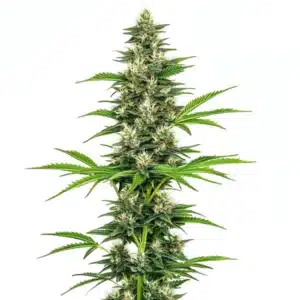
When selecting strains for your garden, consider those known for their allelopathic properties. For instance, strains like Bruce Banner Fast Version and Green Crack Auto are popular for their robust growth and resistance to pests, potentially due to their allelopathic interactions.
These strains can be strategically placed in your grow room to suppress unwanted weeds and enhance the overall health of your cannabis plants. By doing so, you not only reduce competition but also create a more balanced ecosystem for your plants to thrive.
Companion Planting
Companion planting is a technique where growers plant different species together to promote beneficial interactions. In cannabis cultivation, knowing allelopathy can help you choose the right companions that won’t be adversely affected by the cannabis allelochemicals.
For example, planting cannabis alongside herbs that are resistant to allelochemicals, such as basil or marigold, can enhance pest control and improve soil health. This symbiotic relationship can lead to healthier plants and higher yields.
Allelopathy in Common Cannabis Strains
Different cannabis strains exhibit varying levels of allelopathic activity. By knowing these differences, growers can make informed decisions about which strains to cultivate together. Knowing how allelopathy works in cannabis plants also helps identify compatible species, prevent growth inhibition, and promote a healthier, more balanced cultivation environment.
Gorilla Sherbet
Gorilla Sherbet is known for its potent effects and high yields. Its allelopathic properties can help suppress weeds, making it an ideal choice for growers looking to minimize competition in their gardens. This strain can be a great addition to any grow room, especially when paired with other robust strains.
Its ability to thrive in competitive environments highlights the benefits of knowing and leveraging allelopathy. With proper management, Gorilla Sherbet can lead to a more productive and efficient cultivation process.
Bruce Banner Fast Version
Bruce Banner Fast Version is another strain known for its vigorous growth and resistance to pests. Its fast growth cycle and strong allelopathic effects make it a favorite among growers who want quick results without compromising on quality.
This strain is perfect for those who want to maximize their yields in a short amount of time. By utilizing its allelopathic properties, growers can create an environment that supports rapid growth and high productivity.
Zombie Death Fuck
Zombie Death Fuck is a strain that stands out for its unique name and powerful effects. Its allelopathic properties can significantly impact the surrounding plant life, making it a formidable opponent to weeds and other competing plants.
Growers who choose Zombie Death Fuck can expect a robust and resilient plant that thrives in various conditions. Its allelopathy not only enhances its growth but also contributes to a more efficient and sustainable cultivation process.
FAQs about how allelopathy works in cannabis plants
What is allelopathy in cannabis plants?
Allelopathy in cannabis plants refers to the process by which these plants release chemicals into their environment that can influence the growth and development of nearby plants. This natural phenomenon allows cannabis to either inhibit or stimulate the growth of surrounding flora, depending on the types of chemicals released.
Knowing allelopathy is crucial for growers who want to optimize their cultivation practices. By recognizing which strains possess strong allelopathic properties, growers can strategically plant them to suppress weeds or enhance the growth of companion plants, leading to a more productive garden.
How do allelopathic chemicals affect cannabis cultivation?
Allelopathic chemicals can have both positive and negative effects on cannabis cultivation. On the positive side, these chemicals can suppress weed growth, reducing competition for resources such as light, water, and nutrients. This can lead to healthier and more vigorous cannabis plants.
However, if not managed properly, allelopathic chemicals can also inhibit the growth of beneficial companion plants. This is why it’s essential for growers to understand the specific allelopathic properties of the strains they are cultivating, allowing them to create a balanced and harmonious growing environment.
Can allelopathy be used to control pests in cannabis gardens?
Yes, allelopathy can be an effective tool for controlling pests in cannabis gardens. Some allelochemicals released by cannabis plants can deter pests and pathogens, reducing the need for synthetic pesticides. By selecting strains with strong allelopathic properties, growers can create a more pest-resistant garden.
Besides to deterring pests, allelopathy can also enhance the overall health of the cannabis plants, making them more resilient to environmental stresses. This natural form of pest control not only supports sustainable cultivation practices but also promotes the production of high-quality cannabis.
Which cannabis strains are known for their allelopathic properties?
Several cannabis strains are known for their strong allelopathic properties, making them popular choices among growers. Strains like GG4 Feminized, Purple Lemonade Autoflower, and Gorilla Sherbet are renowned for their ability to suppress weeds and enhance the growth of companion plants.
These strains release allelochemicals that can significantly impact the surrounding plant life, creating a more favorable environment for cannabis cultivation. By choosing the right strains, growers can leverage allelopathy to improve their yields and optimize their growing practices.
How can I incorporate allelopathy into my cannabis growing strategy?
Incorporating allelopathy into your cannabis growing strategy involves selecting the right strains and knowing their chemical interactions with the surrounding environment. Start by choosing strains known for their strong allelopathic properties, such as Bruce Banner Fast Version or Green Crack Auto.
Next, consider companion planting techniques to enhance the benefits of allelopathy. By pairing cannabis with plants that are resistant to allelochemicals, you can create a more balanced and productive growing environment. This approach not only supports sustainable cultivation practices but also maximizes your cannabis yields.