Brittle Buds vs Spongy Buds: AW Diagnosis Guide

Water activity (AW) levels: Brittle buds and spongy buds in cannabis are often linked to water activity (AW) levels. In fact, knowing brittle buds vs spongy buds aw diagnosis can help growers identify moisture-related issues early. Brittle buds typically result from low AW, leading to dehydration, while spongy buds are associated with high AW, promoting moisture retention. Maintaining optimal AW levels between 0.55 and 0.65 can significantly reduce these issues, ensuring healthier harvests and preventing conditions like bud rot.
In cannabis cultivation, the texture of buds can indicate underlying issues. Brittle buds often signal dehydration, while spongy buds suggest excessive moisture. Terpenes like Myrcene and Limonene can influence bud texture. Experienced growers report that recognizing these factors is crucial for maintaining optimal conditions, ensuring your harvest remains potent and aromatic without succumbing to common issues like bud rot.
Recommended Strains


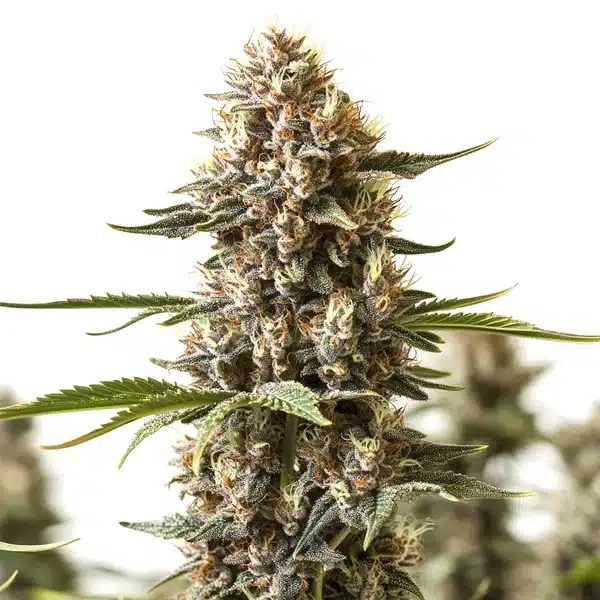
Knowing Brittle Buds
Causes of Brittle Buds
Brittle buds often arise from low water activity (AW) levels, typically below 0.55. This dehydration can be exacerbated by environmental factors such as low humidity levels, often below 40% RH, and excessive heat, surpassing 80°F (27°C). Master growers have communicated that knowing how bud rot starts is crucial for prevention, as it can lead to brittle buds if not managed. Knowing brittle buds vs spongy buds AW diagnosis can also help cultivators identify moisture-related issues before they affect overall flower quality.
Dehydration not only affects the texture but also the potency of the buds, as it can lead to the degradation of cannabinoids and terpenes. For instance, Myrcene levels, which contribute to the earthy aroma, can drop significantly when buds become too dry, impacting the overall sensory profile of the strain.
Diagnosing Brittle Buds
Diagnosing brittle buds involves assessing the environmental conditions and the physical characteristics of the buds. Bud rot is a common issue that can cause brittle buds if not addressed. Inspect buds for signs of dryness, such as a lack of pliability and a tendency to crumble when handled. Use a hygrometer to monitor the humidity levels in your grow space, ensuring they remain within the optimal range of 58-62% RH.
Visual inspection is crucial. Look for signs of discoloration or a dull appearance, which can indicate dehydration. Bud rot pictures can be a helpful reference for identifying early signs of damage. If you suspect bud rot, act quickly to remove affected areas and adjust environmental controls to increase humidity.
Promos & Deals
Knowing Spongy Buds
Causes of Spongy Buds
Spongy buds are often a result of high water activity (AW) levels, typically above 0.65. This condition is frequently caused by excessive humidity, often above 70% RH, and inadequate airflow within the grow space. These factors create an environment conducive to moisture retention, leading to the development of spongy buds. Knowing brittle buds vs spongy buds aw diagnosis can help growers identify moisture-related issues and maintain optimal bud quality.
High AW levels can also promote the growth of mold and mildew, which can further exacerbate the sponginess of the buds. The presence of mold can be identified by a musty odor and visible growths on the buds. Many cultivators have signaled that maintaining proper ventilation and airflow can prevent these issues.
Diagnosing Spongy Buds
Diagnosing spongy buds involves a thorough examination of the grow environment and the buds themselves. Visual identification is key; refer to bud rot pictures for comparison. Spongy buds may feel damp to the touch and lack the density typically associated with healthy cannabis flowers.
Bud mold pictures can aid in differentiating between issues. If mold is present, it is critical to address the problem immediately by reducing humidity levels and increasing airflow. Consider using dehumidifiers and fans to maintain an optimal environment for your plants.
Brittle Buds vs Spongy Buds AW Diagnosis
Comparing AW Levels
Recognizing the differences in AW levels between brittle and spongy buds is crucial for accurate diagnosis. Brittle buds typically have AW levels below 0.55, while spongy buds exceed 0.65. Recognizing these differences helps in determining the appropriate corrective measures to take.
Knowing bud rot vs mold helps in accurate diagnosis. While both conditions can affect bud texture, their causes and solutions differ. Bud rot often results from poor airflow and high humidity, while mold can develop from prolonged moisture exposure. Addressing these issues involves adjusting environmental controls to maintain optimal AW levels.
Solutions and Treatments
Bud Rot Treatment Options
Effective bud rot treatment is crucial for maintaining healthy buds. Start by removing affected areas immediately to prevent further spread. Use fungicides specifically designed for cannabis, ensuring they are safe and approved for use on consumable plants. These practices are especially important when protecting high-value cultivars such as Mimosa.
Smoking bud rot is hazardous; it’s essential to treat affected buds promptly. Ensure proper airflow and humidity control to prevent recurrence. Regularly inspect your plants for signs of bud rot and act swiftly to address any issues.
Preventing Bud Issues
Early Signs of Bud Rot
Recognizing the early signs of bud rot can prevent further damage. Look for symptoms such as discoloration, a musty odor, and a soft, slimy texture on the buds. Early intervention is key to preventing widespread damage, especially when protecting valuable cultivars such as Kabrales.
Maintain optimal environmental conditions to reduce the risk of bud rot. Regularly monitor humidity levels and ensure adequate airflow. Removing excess foliage can also help improve air circulation and reduce the likelihood of bud rot developing.
Professional Tips for Healthy Buds
- Maintain 58-62% RH during curing to preserve terpenes and prevent mold. Use a digital hygrometer for accuracy.
- Ensure airflow with oscillating fans to prevent mold growth. Stagnant air can lead to bud rot within 48 hours.
- Monitor AW levels between 0.55 and 0.65 to maintain bud firmness and prevent dehydration or excess moisture.
- Inspect plants daily for early signs of bud rot, such as discoloration or a musty smell, to act promptly.
- Use dehumidifiers in high humidity environments to prevent spongy buds and potential mold issues.
- Calibrate your hygrometer monthly to ensure accurate readings and maintain optimal growing conditions.
FAQs about brittle buds vs spongy buds aw diagnosis
Why are my buds spongy?
Spongy buds typically result from high humidity levels, often above 70% RH, leading to excess moisture retention. This condition can promote mold growth and affect the quality of the buds. Ensure proper airflow and use dehumidifiers to maintain optimal humidity levels between 58-62% RH to prevent spongy buds.
How to diagnose bud rot?
Diagnose bud rot by looking for early signs such as discoloration, a musty odor, and a soft, slimy texture on the buds. Regular inspection and maintaining optimal environmental conditions are crucial. Use fungicides designed for cannabis to treat affected areas and prevent further spread.
Why are my buds airy and fluffy?
Airy and fluffy buds often result from inadequate lighting and nutrient deficiencies during the flowering stage. Ensure your plants receive sufficient light, ideally 800-1000 µmol/m²/s, and provide balanced nutrients, particularly phosphorus and potassium, to promote dense bud development.
What fertilizer makes bigger buds?
Fertilizers with a high phosphorus and potassium ratio, such as N:P:K 1:3:2, are ideal for promoting larger buds. These nutrients support flower development and increase bud density. Ensure proper application during the flowering stage to maximize bud growth and potency.
What are the best practices for preventing mold?
Prevent mold by maintaining humidity levels between 58-62% RH and ensuring adequate airflow with oscillating fans. Regularly inspect plants for signs of mold and remove any affected areas immediately. Use dehumidifiers in high humidity environments to keep conditions optimal.