Humic Acid for Cannabis: Benefits and Best Practices

Humic acid’s role in cannabis: Humic acid acts as a potent organic biostimulant and soil enhancer in cannabis cultivation. It enhances soil composition, boosts microbial life, and functions as a chelator, facilitating easier absorption of essential micronutrients like calcium and iron by plant roots. This organic compound is indispensable for improving plant health and maximizing yield potential.
Humic acid is a vital organic compound used in cannabis cultivation to enhance plant health and yield. It improves soil structure, nutrient uptake, and water retention, creating a robust growing environment. According to recent studies, humic acid can increase nutrient absorption by up to 40%, making it an essential addition for any cannabis grower.
Recommended Strains

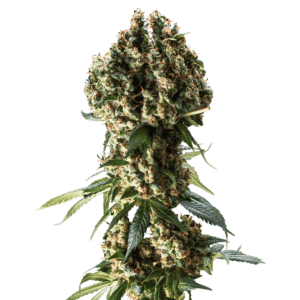
Super Lemon Haze

|
THC | 19% (Medium) |

|
Type | Feminized |

|
Yield | High |

|
Phenotype | 20% Indica / 80% Sativa |

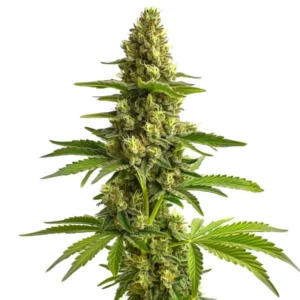
Super Silver Haze
|
|
THC | 22% - 24% (High) |
|
|
Type | Feminized |
|
|
Yield | High |
|
|
Phenotype | 10% Indica / 90% Sativa |
What is Humic Acid?
Formation and Composition
Humic acid forms as organic matter decomposes in the soil, rich in nutrients that enhance soil structure and nutrient absorption. It originates from decomposed plant material and soil organic matter, providing a natural boost to the ecosystem. This compound is crucial in creating a balanced environment for cannabis cultivation.
Typically, humic acid is derived from sources like lignite, peat, and leonardite. Each source offers unique properties that affect its effectiveness in promoting cannabis growth. The decomposition process enriches the soil with essential micronutrients, improving the overall health of the plants.
Impact on Soil and Plant Health
Humic acid significantly enhances soil texture and aeration, which fosters better root development. It also increases the soil’s capacity to retain water, a critical factor during dry spells. By stabilizing soil pH levels, humic acid ensures optimal nutrient availability, making it a crucial component for healthy cannabis growth.
Additionally, humic acid encourages the proliferation of beneficial microbes in the soil. These microorganisms create a thriving ecosystem that supports robust root systems and vigorous plant growth. Regular use of humic acid leads to healthier plants and more abundant harvests.
Promos & Deals


Benefits of Humic Acid in Cannabis Cultivation
Nutrient Uptake
Humic acid enhances the plant’s ability to absorb essential nutrients by chelating minerals in the soil. This process makes nutrients like calcium and iron more accessible to cannabis plants. Studies show that humic acid can increase nutrient uptake by up to 40%, significantly improving plant health and yield.
By improving nutrient absorption, humic acid ensures that cannabis plants receive the necessary elements for optimal growth. This results in stronger, more resilient plants that are better equipped to handle environmental stressors.
Soil Structure Improvement
Humic acid improves soil texture and aeration, which fosters better root development. This enhancement allows roots to penetrate deeper into the soil, accessing more nutrients and water. The improved soil structure also supports beneficial microbial activity, further boosting plant health.
Additionally, humic acid helps retain moisture in the soil, which is especially beneficial during dry spells. By maintaining a stable soil environment, humic acid reduces plant stress and promotes consistent growth.
| Feature | Gelato X Kosher Kush | Peachez | Stardawg Auto |
|---|---|---|---|
| THC Content | 22-26% | 20-24% | 18-22% |
| Dominant Terpene | Myrcene | Limonene | Caryophyllene |
| Flavor Profile | Earthy, Sweet | Fruity, Citrus | Diesel, Pine |
| Effect | Relaxing | Uplifting | Energizing |
| Yield | 1.5-2 oz/ft² (450-600 g/m²) | 1.2-1.6 oz/ft² (350-500 g/m²) | 1-1.4 oz/ft² (300-400 g/m²) |
Choosing the Best Humic Acid Products
Top Brands for Humic Acid
When selecting humic acid for your cannabis plants, it’s essential to assess the source and quality of the product. Look for products with a high percentage of humic substances, as this indicates superior quality. Some top brands to consider include General Hydroponics, Down To Earth, and BioAg.
These brands offer high-quality humic acid formulations that are effective across various cultivation setups. They provide products that are rich in humic substances and often include added nutrients or biologically active components for enhanced effectiveness.
Product Evaluation and Selection
When evaluating humic acid products, consider the source material and the concentration of humic substances. Products derived from leonardite are often preferred due to their high humic acid content. Additionally, check for user reviews or testimonials to gain insights from real experiences.
Choosing the right humic acid product can significantly impact the health and yield of your cannabis plants. By selecting a high-quality product, you ensure that your plants receive the best possible support for growth and productivity.
How to Apply Humic Acid to Cannabis
Application Methods and Frequency
Humic acid can be applied directly to the soil, mixed with water for foliar sprays, or introduced into hydroponic systems. When applying to soil, mix humic acid into the top layer to boost microbial activity in the root zone. Foliar feeding involves diluting humic acid in water for a nutrient-rich solution that leaves absorb easily.
In hydroponic systems, adding humic acid results in healthier roots and robust overall growth. Typically, humic acid can be applied every few weeks during the growth phase. However, the specific frequency depends on your plants’ needs and the soil type in use.
When to Apply Humic Acid
The ideal timing for applying humic acid is during the vegetative stage when developing a strong root system is crucial for supporting flowering later on. This stage is when plants benefit most from enhanced nutrient uptake and soil structure improvement.
Applying humic acid during the vegetative stage ensures that your plants have the necessary support for optimal growth and productivity. By following the manufacturer’s instructions, you can avoid over-application and maintain the best growth conditions for your cannabis plants.
Potential Drawbacks of Humic Acid
Over-Application Risks
While humic acid offers numerous benefits, over-application can lead to nutrient imbalances. Excessive use may result in nutrient lockout, where plants cannot absorb essential nutrients. This can cause deficiencies and negatively impact plant health.
To prevent over-application, follow the manufacturer’s instructions and monitor your plants closely. By paying attention to their growth stages and adjusting your application schedule accordingly, you can avoid potential drawbacks and ensure healthy plant development.
Compatibility with Other Fertilizers
Humic acid works well with most fertilizers, enhancing nutrient uptake and making fertilizers more effective. However, it’s wise to avoid mixing it with concentrated nutrient solutions unless compatibility is confirmed to prevent undesirable reactions.
By ensuring compatibility, you can maximize the benefits of humic acid and other fertilizers, promoting healthy growth and abundant yields. Always test new combinations on a small scale before applying them to your entire crop.

FAQs About Humic Acid and Cannabis
What does humic acid do for cannabis?
Humic acid improves soil structure, enhances nutrient uptake, and boosts microbial activity in cannabis cultivation. It acts as a chelator, making essential micronutrients like calcium and iron more accessible to plant roots. By improving these factors, humic acid promotes healthier plants and can increase nutrient absorption by up to 40%.
Does humic acid increase yield?
Yes, humic acid can increase yield by improving nutrient uptake and soil health. Studies indicate that humic acid can enhance nutrient absorption by up to 40%, leading to more robust plant growth and higher yields. Its ability to improve soil structure and water retention further supports increased productivity.
What are the negative effects of humic acid?
Over-application of humic acid can lead to nutrient imbalances and nutrient lockout, where plants cannot absorb essential nutrients. This can cause deficiencies and negatively impact plant health. To avoid these issues, follow the manufacturer’s instructions and monitor your plants closely for signs of stress.
When should you apply humic acid?
The best time to apply humic acid is during the vegetative stage of cannabis growth. This stage is when plants benefit most from enhanced nutrient uptake and soil structure improvement. Applying humic acid during this period supports strong root development and prepares plants for successful flowering.
Can I use humic acid with other fertilizers?
Absolutely! Humic acid works well with most fertilizers, enhancing nutrient uptake and making fertilizers more effective. However, avoid mixing it with concentrated nutrient solutions unless compatibility is confirmed. Testing new combinations on a small scale before applying them to your entire crop ensures optimal results.