White Weed: Characteristics and Safety Insights

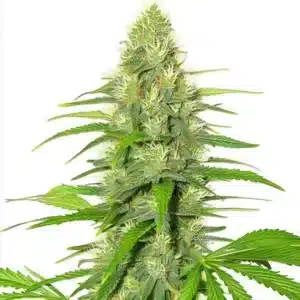
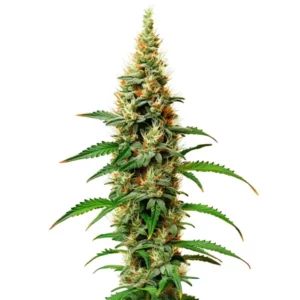
White weed characteristics: “White weed” often refers to cannabis strains with a frosty appearance due to dense trichomes, not mold. This white coating indicates high cannabinoid levels, enhancing potency. It’s crucial to distinguish between beneficial trichomes and harmful mold, which also appears white but poses health risks. Popular strains like White Widow exemplify this feature, offering intense effects and high THC content.
White weed is renowned for its striking trichome-rich appearance. These trichomes are not just for show; they house a wealth of cannabinoids and terpenes, contributing to the plant’s potency. Strains like White Widow offer a unique terpene profile with caryophyllene and myrcene, enhancing both aroma and effect. Understanding the difference between trichomes and mold is essential for safe consumption.
Recommended Strains

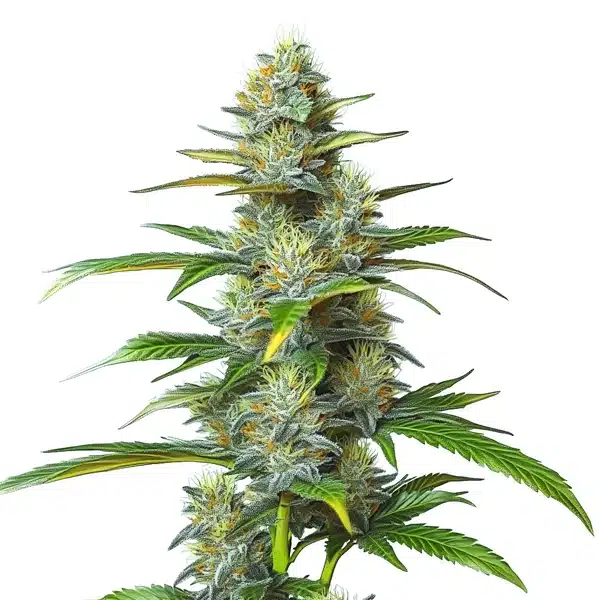
Moby Dick

|
THC | 24% - 27% (High) |

|
Type | Feminized |

|
Yield | High |

|
Phenotype | 40% Indica / 60% Sativa |
Moby Dick Autoflower
|
|
THC | 16% - 20% (Medium) |
|
|
Type | Autoflowering |
|
|
Yield | High |
|
|
Phenotype | 40% Indica / 60% Sativa |
What is White Weed?
White Weed vs. Mold: How to Tell the Difference
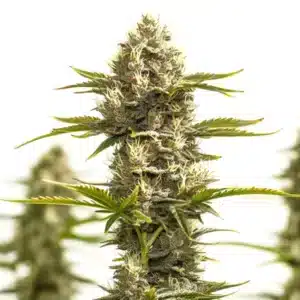
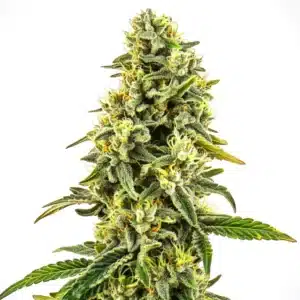
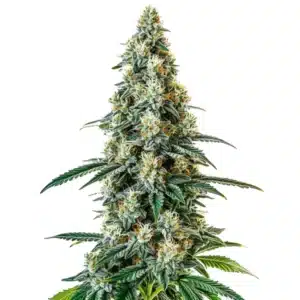
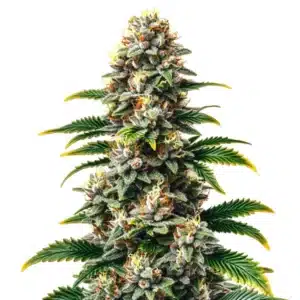
White weed is primarily characterized by its frosty appearance, a result of abundant trichomes. These trichomes are the resin glands of the cannabis plant, packed with cannabinoids like THC and terpenes. The trichomes’ density gives the plant its signature white look, often associated with high potency. In contrast, mold, such as powdery mildew, can also appear white but is harmful. Mold typically has a musty odor and can be wiped off easily, unlike sticky trichomes.
Trichomes are crucial for the plant’s defense mechanism, protecting against pests and UV rays. They also enhance the plant’s medicinal properties by concentrating compounds like THC, which can reach up to 25% in strains like White Widow. Mold, however, compromises the plant’s integrity and can lead to health issues if consumed. Recognizing the difference is vital for any grower or consumer.
Popular White Weed Strains
White weed strains are celebrated for their high cannabinoid content and unique effects. White Widow, for example, is a staple in the cannabis community, known for its balanced effects and robust THC levels. Other notable strains include White Rhino and Moby Dick, each offering distinct terpene profiles and effects. These strains are not only potent but also provide a rich sensory experience.
White Widow, with its 22-26% THC, is particularly famous for its euphoric and relaxing effects. Its dominant terpene, caryophyllene, contributes to its spicy aroma and anti-inflammatory properties. White Rhino, on the other hand, offers a more sedative experience, making it ideal for nighttime use. Moby Dick combines high THC with a citrusy terpene profile, enhancing its uplifting effects.
Promos & Deals
Safety Concerns with White Weed
Is White Weed Safe to Smoke?
White weed is generally safe to smoke if the white appearance is due to trichomes. These trichomes are rich in cannabinoids and terpenes, contributing to the plant’s effects. However, if the white coating is mold, it can pose health risks. Moldy cannabis can lead to respiratory issues and should be avoided.
To ensure safety, always inspect your cannabis for signs of mold. Mold typically has a musty odor and can be wiped off easily. In contrast, trichomes are sticky and aromatic. If in doubt, it’s best to err on the side of caution and avoid smoking potentially moldy cannabis.
| Feature | White Widow | White Rhino | Moby Dick |
|---|---|---|---|
| THC Content | 22-26% | 20-24% | 21-27% |
| Dominant Terpene | Caryophyllene | Myrcene | Limonene |
| Effect Profile | Euphoric, Relaxing | Sedative, Calming | Uplifting, Energizing |
| Aroma | Spicy, Earthy | Earthy, Sweet | Citrus, Sweet |
| Ideal Use | Daytime | Nighttime | Daytime |
Growing White Weed
Environmental Factors for Optimal Growth
Growing white weed strains like White Widow requires specific environmental conditions to maximize trichome production. These plants thrive in temperatures between 68°F – 77°F (20°C – 25°C) with humidity levels of 40-50% during flowering. Proper lighting, around 800-1000 µmol/m²/s, is essential for optimal photosynthesis and trichome development.
Maintaining these conditions helps enhance the plant’s potency and yield. Deviations can lead to reduced trichome production and lower cannabinoid content. Regular monitoring of environmental parameters using digital tools is crucial for successful cultivation. Additionally, ensuring a CO2-rich environment can significantly boost photosynthesis, leading to more robust growth and increased trichome density.
Common Challenges and Solutions
White weed strains can be sensitive to environmental changes. High humidity can promote mold growth, while low humidity can stress the plant. To prevent issues, ensure good airflow with oscillating fans and maintain consistent environmental conditions. Regular pruning helps improve light penetration and air circulation.
Another challenge is nutrient management. White weed strains require a balanced nutrient regimen, avoiding overfeeding, which can lead to nutrient burn. Start with a light feeding schedule and adjust based on plant response. Monitoring pH levels, ideally between 6.0 and 6.5, ensures nutrient availability and uptake. Furthermore, during the flowering phase, a shift to a “super-bloom” nutrient mix with high phosphorus and potassium content can optimize bud development and resin production.
Expert Tips for Growing White Weed
- Maintain 58-62% RH during curing to preserve terpenes and prevent mold. Use a digital hygrometer for accurate readings.
- Provide 800-1000 µmol/m²/s of light during flowering to maximize trichome production and cannabinoid content.
- Keep temperatures between 68°F – 77°F (20°C – 25°C) to optimize plant metabolism and growth.
- Use a balanced N:P:K ratio of 1:3:2 during flowering to support bud development and resin production.
- Prune lower branches to improve airflow and light penetration, reducing the risk of mold and pests.
- Monitor pH levels between 6.0 and 6.5 for optimal nutrient uptake and plant health.
- Ensure a CO2-rich environment to enhance photosynthesis and boost overall plant vigor.

FAQs About White Weed
What type of weed is white?
White weed refers to cannabis strains with a frosty appearance due to dense trichomes, such as White Widow. These trichomes are resin glands rich in cannabinoids and terpenes, contributing to the plant’s potency. The white look is a sign of high THC content, often ranging from 20-26% in these strains.
What does it mean if your weed is white?
If your weed appears white, it’s likely due to a high concentration of trichomes, indicating potency. However, if the white is powdery and has a musty odor, it could be mold, which is harmful. Trichomes are sticky and aromatic, while mold is dusty and can be wiped off.
Is white weed stronger?
White weed is often stronger due to its high trichome density, which houses THC and other cannabinoids. Strains like White Widow can have THC levels between 22-26%, offering potent effects. The presence of terpenes like caryophyllene enhances the entourage effect, amplifying the strain’s impact.
Can white weed be used for medicinal purposes?
Yes, white weed strains like White Widow are used medicinally due to their high THC and terpene content. They offer therapeutic benefits, including pain relief and anti-inflammatory effects. Always consult a healthcare professional before using cannabis for medical purposes, especially if you have underlying health conditions.
How to store white weed properly?
Store white weed in an airtight container at 58-62% RH and 59-70°F (15-21°C) to preserve potency and prevent mold. Use amber glass jars to protect against light degradation. Proper storage maintains the integrity of trichomes, ensuring the weed remains potent and flavorful over time.