What Is THCV? A Complete Guide to This Rare Cannabinoid

THCV, short for tetrahydrocannabivarin is one of the most scientifically compelling cannabinoids to emerge from cannabis research in recent years. Once considered a minor phytochemical curiosity, it has earned serious attention from researchers studying appetite regulation, metabolic health, and cognitive function. Some even call it “diet weed” for its potential appetite-suppressing properties, a striking contrast to THC’s well-known munchie-inducing effects.
Unlike THC and CBD, THCV appears in very low concentrations in most commercial cannabis strains. Its presence is more pronounced in specific chemotypes, particularly equatorial sativa landraces and long-flowering genetic lines. This guide breaks down the science, the effects, and what growers and consumers need to know.
Recommended Strains

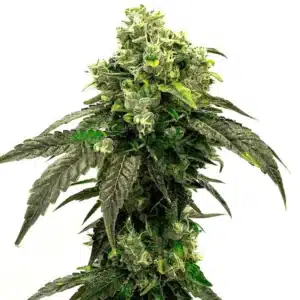
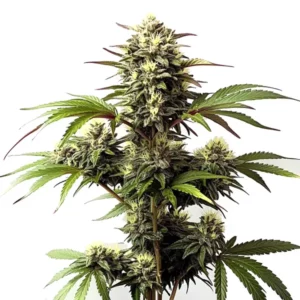
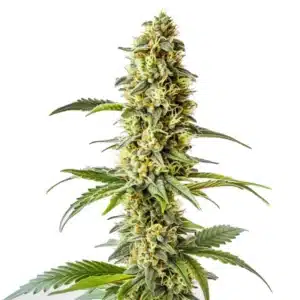
Gush Mints

|
THC | 31% - 34% (High) |

|
Type | Feminized |

|
Yield | High |

|
Phenotype | 50% Indica / 50% Sativa |
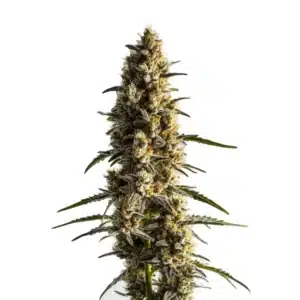
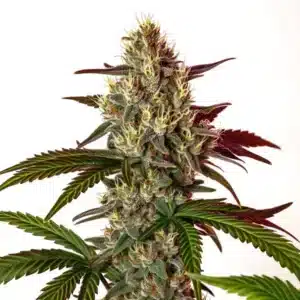
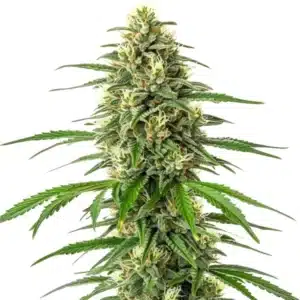
Afghan Hawaiian x Laos x Jamaican
|
|
THC | 20% - 23% (Medium) |
|
|
Type | Feminized |
|
|
Yield | High |
|
|
Phenotype | 30% Indica / 70% Sativa |
Chemical Structure and Classification of THCV
From a chemical standpoint, THCV is a propyl analog of THC. The key structural difference lies in its alkyl side chain:
- THC has a pentyl side chain (5 carbon atoms)
- THCV has a propyl side chain (3 carbon atoms)
This seemingly small variation significantly alters how THCV binds to receptors within the endocannabinoid system, producing effects that are pharmacologically distinct from THC despite their structural similarity.
THCV is classified as a minor phytocannabinoid, alongside compounds such as CBC (cannabichromene) and CBG (cannabigerol). Despite low natural abundance, minor cannabinoids often play disproportionate roles in the entourage effect, modulating the overall pharmacological response of a cannabis extract in ways that isolated compounds cannot replicate.
Promos & Deals
How THCV Interacts with the Endocannabinoid System
The endocannabinoid system (ECS) is composed of CB1 and CB2 receptors, endogenous ligands (anandamide and 2-AG), and metabolic enzymes. THCV interacts with this system in a dose-dependent and biphasic manner, which makes it pharmacologically unique.
CB1 receptor interaction:
- At low doses: THCV behaves as a CB1 receptor antagonist or neutral antagonist
- At higher doses: it may act as a partial agonist
CB1 receptors are primarily located in the central nervous system and govern the psychoactive effects of THC. By modulating CB1 activity, THCV can influence appetite, cognition, and neurochemical signaling in ways that differ significantly from standard cannabinoids.
CB2 receptor interaction: THCV shows weaker but relevant interaction with CB2 receptors, which are associated with immune regulation and peripheral inflammation pathways. Ongoing research suggests potential involvement in systemic homeostasis and inflammatory response, though findings remain preliminary.
Pharmacological Effects of THCV
Scientific and preclinical research has identified several key effects. It is important to note that most findings come from animal studies, robust human clinical data remains limited, though a 2025 clinical trial reported promising results around metabolic outcomes in obese adults.
1. Appetite suppression and metabolic regulation
One of THCV’s most studied properties is its potential role in appetite modulation. Unlike THC, which activates appetite pathways via CB1 stimulation, THCV may suppress these signals at low doses, hence the “diet weed” nickname.
This has led to significant research interest in:
- Metabolic disorders and obesity-related pathways
- Glucose regulation and insulin sensitivity
- Glycemic control in early-stage metabolic syndrome
Animal studies have consistently suggested improvements in insulin sensitivity. A 2025 clinical trial involving THCV and CBD-infused strips in obese adults reported weight loss alongside reductions in abdominal girth and cholesterol markers an encouraging early signal for human applications.
2. Neurological stimulation and cognitive effects
THCV is frequently described as producing a more alert and clear-headed state compared to THC. This is likely attributable to:
- Partial CB1 antagonism
- Reduced dopaminergic overstimulation compared to THC
- Distinct modulation of cortical signaling pathways
These mechanisms may explain why THCV is associated with focus, mental clarity, and reduced cognitive fog in both anecdotal reports and early neurological studies.
3. Psychoactivity profile
THCV is considered low-intoxication or conditionally psychoactive:
- Low doses: typically non-intoxicating
- Moderate doses: mild stimulation, increased alertness
- High doses: subtle psychoactive effects, still considerably weaker than THC
This dose-response curve places THCV in a genuinely unique pharmacological category, neither purely psychoactive nor strictly non-intoxicating.
How THCV Is Produced in the Cannabis Plant
THCV is biosynthesized through the cannabigerovarinic acid (CBGVA) pathway, analogous but distinct from the THC pathway:
CBGVA → THCVA → THCV (via decarboxylation)
It is worth noting that there is no known biosynthesis pathway in the cannabis plant that converts THC to THCV or vice versa, they originate from different precursor acids (varinolic acid for THCV, olivetolic acid for THC). This distinction matters for both regulatory and cultivation contexts.
THCV expression depends on the activity of specific enzymes involved in propyl-side-chain cannabinoid synthesis, and is modulated by several environmental factors:
- UV-B light exposure: stress can increase cannabinoid production as a plant defense mechanism
- Temperature stress: moderate environmental stress may shift metabolic priorities
- Limited nitrogen during late flowering: can redirect metabolism toward secondary metabolites
- Photoperiod length: extended flowering cycles allow more complex cannabinoid profile development
THCV in Sativa Genetics and Long-Flowering Strains
One of the most consistent patterns in cannabinoid science is the association between THCV and sativa-dominant strains with extended flowering cycles, typically exceeding 10 weeks. These plants often originate from equatorial regions where long vegetative and reproductive phases are the norm.
Extended flowering allows for:
- Greater secondary metabolite development
- More complex terpene synthesis
- Increased expression of minor cannabinoid diversity
These strains are also associated with strong cerebral stimulation, enhanced creativity, and energetic euphoric experiences a profile that aligns with THCV’s neurochemical fingerprint.
Examples of long-flowering sativa genetics from Blimburn Seeds:
- Amnesia Haze: extended flowering with intense cerebral stimulation
- Sour Diesel: energetic profile with strong euphoric effects
- Jack Herer: balanced cognitive stimulation and mental clarity
- Super Silver Haze: long cycle with powerful sativa-driven effects
- Haze-type genetics (Neville’s lineage): extremely long flowering and complex psychoactivity
While THCV content varies across phenotypes, these strains represent the structural and genetic conditions under which minor cannabinoids are most likely to express.
THCV vs THC vs CBD: Pharmacological Comparison
| Compound | Psychoactivity | Primary receptor activity | Key effects |
|---|---|---|---|
| THC | High | CB1 agonist | Euphoria, appetite increase |
| CBD | None | Indirect modulation | Relaxation, anti-inflammatory signaling |
| THCV | Low–moderate | CB1 antagonist / partial agonist | Energy, focus, appetite suppression |
Research Applications and Future Potential
THCV is currently under investigation across several scientific domains:
Metabolic research: insulin sensitivity, energy homeostasis, obesity and type 2 diabetes management
Neurological studies: cognitive modulation, dopamine signaling, attention and focus regulation, neuroprotective properties (early preclinical data for Parkinson’s and Alzheimer’s models)
Pharmacological development: targeted cannabinoid therapies, non-sedative cannabis formulations, precision-dose functional products
It is important to emphasize: human clinical evidence remains limited. Most findings are still preclinical or in early trial stages, and no regulatory body has approved THCV as a treatment for any condition.
Challenges in THCV Research and Commercialization
Despite growing interest, significant barriers remain:
- Extremely low natural abundance in most commercial cultivars
- Difficulty in reliable isolation and extraction
- Genetic instability in THCV-rich breeding programs
- Lack of standardized, large-scale clinical trials
These factors make THCV one of the more complex cannabinoids to study, stabilize, and bring to market at scale.
The Future of THCV in Cannabis Breeding
Modern cannabis breeding is increasingly focused on chemotype specialization, selectively enhancing cannabinoids beyond THC and CBD. THCV is well-positioned to become more prominent in:
- Functional cannabis products targeting focus, energy, and metabolic health
- Precision cannabinoid formulations for specific use cases
- High-terpene sativa hybrids appealing to educated consumers
- Research strains supporting clinical trial development
Genetic stabilization of THCV-rich cultivars remains one of the most active areas of innovation in contemporary cannabis breeding. As cultivation techniques and understanding of minor cannabinoid expression improve, THCV’s accessibility for both researchers and consumers is expected to grow substantially.

Frequently Asked Questions About THCV
What is THCV and how does it differ from THC?
THCV (tetrahydrocannabivarin) is a minor cannabinoid found in Cannabis sativa with a shorter propyl side chain than THC. Unlike THC, which activates CB1 receptors to produce euphoria and appetite stimulation, THCV acts as a CB1 antagonist at low doses, suppressing appetite and producing a clearer, more energetic effect. At higher doses it may produce mild psychoactivity, but still considerably weaker than THC.
Why is THCV sometimes called “diet weed”?
The nickname comes from THCV’s potential appetite-suppressing properties, which are the opposite of THC’s well-known munchie effect. Preclinical studies have shown THCV may improve insulin sensitivity and glycemic control, and a 2025 clinical trial reported weight loss and metabolic improvements in obese adults using THCV-infused strips, though larger-scale human studies are still needed before firm conclusions can be drawn.
Which cannabis strains are most likely to contain THCV?
THCV is most commonly found in sativa-dominant strains with long flowering cycles, particularly those with equatorial landrace origins. Among Blimburn Seeds genetics, strains like Amnesia Haze, Jack Herer, Sour Diesel, and Super Silver Haze represent the structural genetic conditions where minor cannabinoid expression, including THCV, is more probable.
Is THCV safe and is it legally approved for medical use?
THCV has not been approved by any regulatory authority as a medical treatment. Current evidence comes primarily from preclinical (animal) studies and a small number of early human trials. Its legal status varies by jurisdiction and typically depends on its cannabinoid classification under local law. Consumers should always verify local regulations and consult a healthcare professional before using any cannabinoid product for health purposes.