What is THC-P?

THC-P’s Unique Potency: THC-P (tetrahydrocannabiphorol) is a naturally occurring cannabinoid found in cannabis, identified in 2019. It closely resembles Delta-9 THC but has a seven-carbon side chain, allowing it to bind up to 33 times more effectively to CB1 receptors. This results in significantly stronger and longer-lasting psychoactive effects, making THC-P a subject of interest for its potential therapeutic applications.
THC-P, or Tetrahydrocannabiphorol, stands out due to its unique seven-carbon side chain, potentially making it 30 times more effective at binding to CB1 receptors than THC. This cannabinoid, discovered in 2019, is found in trace amounts in cannabis and is known for its high potency. As research progresses, THC-P could unveil new therapeutic benefits and insights into cannabinoid science.
Recommended Strains
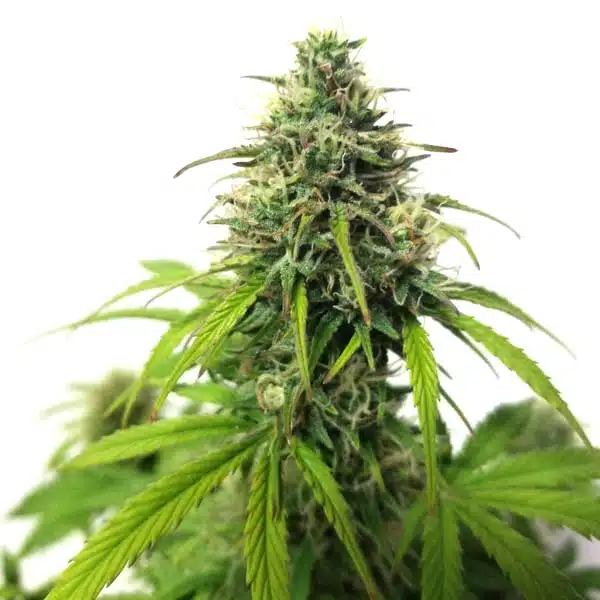
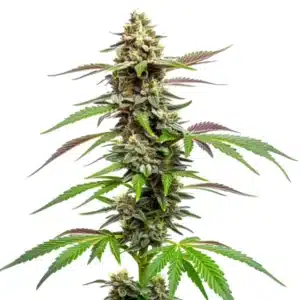
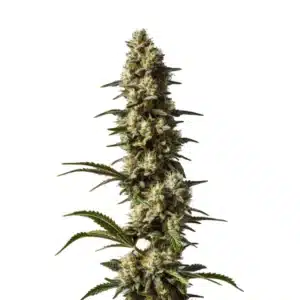
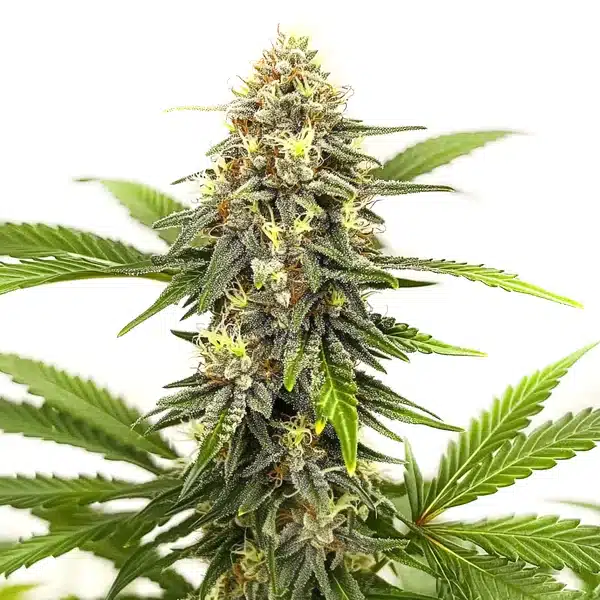
AK Auto

|
THC | 16% - 18% (Medium) |

|
Type | Autoflowering |

|
Yield | Medium |

|
Phenotype | 35% Indica / 65% Sativa |
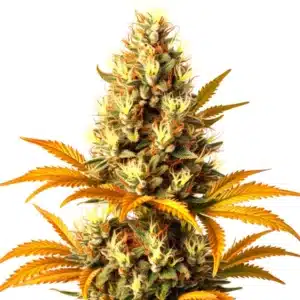
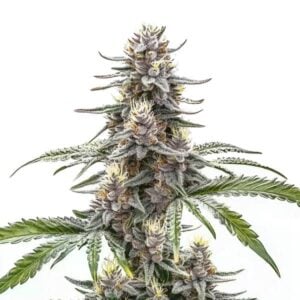
Afghan Hash Plant Regular
|
|
THC | 18% - 22% (Medium) |
|
|
Type | Regular |
|
|
Yield | High |
|
|
Phenotype | 90% Indica / 10% Sativa |
THC-P: Meaning and Discovery
What Does THC-P Mean?
THC-P, short for Tetrahydrocannabiphorol, is a cannabinoid that has garnered attention since its discovery in 2019. Unlike THC, which has a five-carbon side chain, THC-P features a seven-carbon chain. This structural difference enhances its binding affinity to CB1 receptors, potentially making it up to 30 times more potent than THC. This discovery has opened new avenues in cannabinoid research, focusing on its unique properties and potential effects.
THC-P’s discovery has expanded our understanding of cannabinoids, which include THC, CBD, and CBN as the primary compounds. While THC-P is found in trace amounts, its potency and structural uniqueness make it a significant focus for researchers exploring its potential therapeutic applications. The ongoing study of THC-P aims to uncover its full range of effects and benefits.
THC-P Effects and Potency
THC-P is known for its intense psychoactive effects, which are attributed to its strong binding affinity to CB1 receptors in the brain. This heightened potency could lead to more pronounced experiences, including intensified euphoria and altered perception. Preliminary studies suggest that THC-P might be up to 30 times more potent than THC, making dosage and consumption methods critical for safe use.
Beyond its psychoactive properties, THC-P’s potential therapeutic applications are a subject of growing interest. Early research indicates that it may offer benefits similar to THC, such as pain relief and appetite stimulation, but with potentially greater efficacy. However, more comprehensive studies are needed to substantiate these claims and ensure safe usage.
Promos & Deals
THC-P vs. Other Cannabinoids
THC-P & THC-V: Key Differences
THC-P and THC-V are both cannabinoids, but they differ significantly in their effects and applications. THC-P is known for its potent psychoactive properties, while THC-V is often associated with appetite suppression and potential therapeutic benefits without a strong psychoactive effect. Understanding these differences is crucial for selecting the right cannabinoid for specific needs.
While THC-P’s potency makes it appealing for those seeking intense effects, THC-V’s unique properties may offer advantages for individuals looking for therapeutic benefits without the high. As research continues, the distinct characteristics of these cannabinoids will become clearer, offering new possibilities for cannabis-based treatments.
| Feature | THC-P | THC | THC-V |
|---|---|---|---|
| Psychoactive Potency | Up to 30x stronger | Standard | Mild |
| Carbon Side Chain | Seven | Five | Five |
| Therapeutic Potential | High | Moderate | High |
| Discovery Year | 2019 | 1964 | 1973 |
| Common Use | Recreational & Therapeutic | Recreational & Therapeutic | Therapeutic |
Legal Status of THC-P
Regional Variations in THC-P Legality
The legal status of THC-P varies across regions, reflecting the complex nature of cannabis legislation. In some areas where cannabis is legal, THC-P may fall under similar regulations as THC. However, many jurisdictions have yet to address THC-P specifically due to its recent discovery and limited availability. Understanding local laws is crucial for compliance.
In regions where cannabis remains illegal, THC-P is likely considered a controlled substance, making possession and use subject to legal penalties. As the cannabis industry continues to evolve, legislative bodies may revisit THC-P regulations. Staying informed about the legal landscape is essential to avoid potential legal issues.
Common Consumption Methods for THC-P
Safe Usage and Dosage Recommendations
THC-P can be consumed through various methods, including smoking, vaporizing, edibles, tinctures, and oils. Each method offers distinct advantages, such as onset time and duration of effects. For those new to THC-P, starting with a low dose and choosing a method that allows for gradual titration is advisable to avoid adverse effects.
Smoking or vaporizing may provide more immediate effects, while edibles and tinctures offer longer-lasting experiences. Individual responses to THC-P can vary, making experimentation and careful monitoring of reactions key to finding the most suitable consumption method.
Professional Tips for THC-P Consumption
- Start with a low dose of THC-P, around 1-2 mg, to gauge your body’s response. Higher doses can lead to intense psychoactive effects due to THC-P’s potency.
- When vaporizing, maintain temperatures between 356°F – 374°F (180°C – 190°C) to preserve cannabinoid integrity and avoid combustion.
- Monitor your environment for THC-P legality. Possession in illegal regions can result in severe penalties, including fines or imprisonment.
- Store THC-P products at 59-70°F (15-21°C) in a dark, dry place to maintain potency and prevent degradation.
- Use a calibrated digital scale to measure THC-P doses accurately, avoiding the risk of overconsumption.
- Consult with a healthcare professional before using THC-P for therapeutic purposes, especially if you are on medication or have underlying health conditions.
FAQs about THC-P
Is THCP better than THCA?
THCP is not necessarily better than THCA; they serve different purposes. THCP is known for its potent psychoactive effects, potentially 30 times stronger than THC, while THCA is non-psychoactive and converts to THC when heated. Both have unique benefits depending on user needs and preferences.
Is THCP synthetic or natural?
THCP is a naturally occurring cannabinoid found in cannabis plants, discovered in 2019. It is not synthetic, although it can be synthesized in laboratories for research purposes. Its natural occurrence is in trace amounts, making it a subject of interest for further study.
Does THCP hit hard?
Yes, THCP is known for its intense psychoactive effects, binding up to 33 times more effectively to CB1 receptors than THC. This can result in stronger and longer-lasting experiences. Users should start with low doses to assess tolerance and avoid overwhelming effects.
Does THCP show up on a drug test?
THCP may show up on a drug test, as most tests are designed to detect THC and its metabolites. Since THCP is structurally similar to THC, it could potentially trigger a positive result. Users should be cautious if subject to drug testing.
Can I use THCP in edibles?
Yes, THCP can be used in edibles, offering a longer-lasting effect compared to smoking or vaporizing. Start with a low dose, around 1-2 mg, to avoid intense effects. The onset time for edibles is typically 30-60 minutes, with effects lasting up to 6-8 hours.