What is sap testing in cannabis?

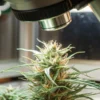
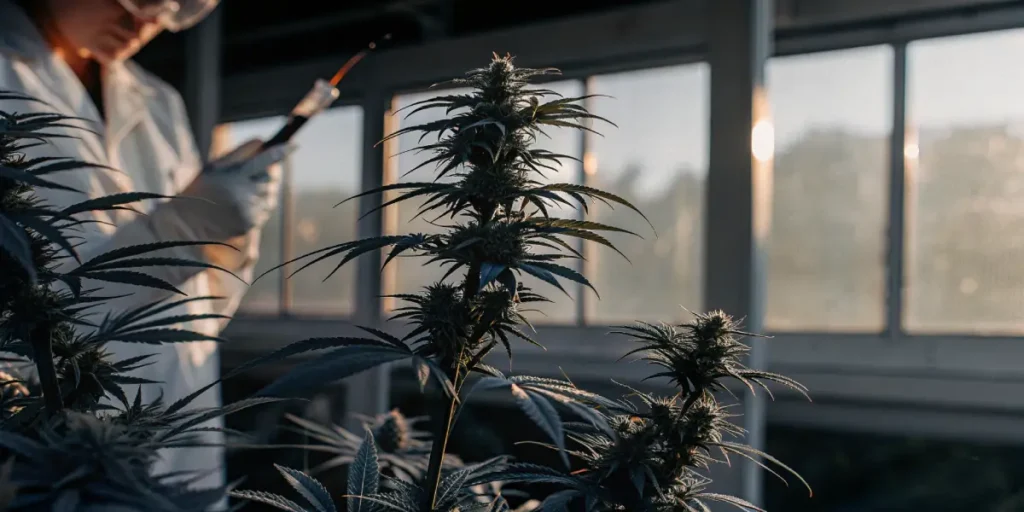
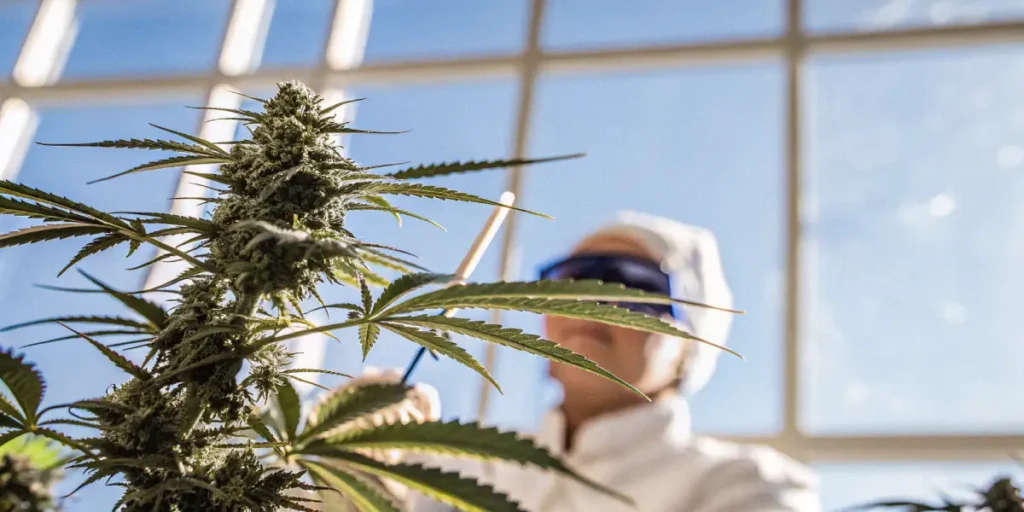
Sap testing in cannabis is an innovative technique used by growers to assess the nutrient content and health of their plants. This process involves analyzing the sap extracted from the plant to gain insights into its nutritional status. Knowing what is sap testing in cannabis? is crucial for both novice and experienced growers, as it provides valuable data for fine-tuning nutrient management and can significantly impact the quality and yield of the crop.
For first-time cannabis seed buyers, sap testing might seem like a complex scientific procedure. However, it is a practical tool that provides real-time data about plant health. By regularly performing sap testing, growers can identify nutrient deficiencies or toxicities early and adjust their feeding strategies accordingly. This proactive approach helps in maintaining optimal plant health and maximizing yield.
Recommended Strains
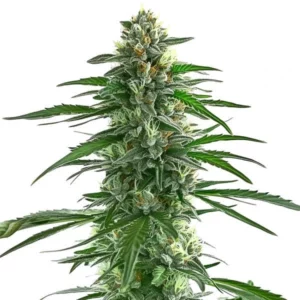
Trainwreck

|
THC | 15% - 20% (Medium) |

|
Type | Feminized |

|
Yield | Medium |

|
Phenotype | 20% Indica / 80% Sativa |
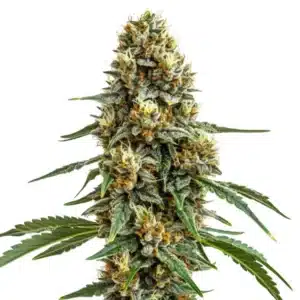
Durban Poison
|
|
THC | 15% - 25% (Medium) |
|
|
Type | Feminized |
|
|
Yield | Medium |
|
|
Phenotype | 10% Indica / 90% Sativa |
Experienced growers have been turning to sap testing as it offers a detailed snapshot of the plant’s current state. Unlike traditional tissue testing, sap testing provides immediate results, allowing for quick interventions. As the cannabis industry continues to evolve, knowing and utilizing sap testing can be a game-changer for enhancing crop quality.
Knowing the Impact of Sap Testing on Cannabis Cultivation
The benefits of sap testing in the cannabis industry are numerous. By offering a deeper knowing of plant health, it helps growers make informed decisions about nutrient management. For those wondering what is sap testing in cannabis?, it’s a diagnostic method that analyzes the nutrients within the plant’s sap to assess its real-time nutritional status. This is particularly important in cannabis cultivation, where nutrient balance is crucial for cannabinoid and terpene production.
Regular cannabis sap analysis benefits growers by ensuring that the plants receive the appropriate nutrients at the right time. This not only improves the quality of the cannabis but also boosts overall yield. Growers can quickly identify if their plants are lacking essential nutrients or are exposed to excess levels of certain elements, which can harm plant growth.
Promos & Deals
Choosing Strains for Sap Testing
When it comes to sap testing, the choice of cannabis strain can influence the insights you gather. Some strains are more resilient and better suited for nutrient experimentation. Here are a few strains that are ideal for sap testing:
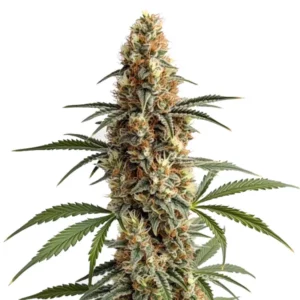
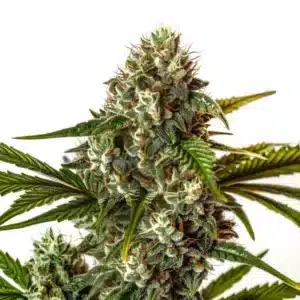
Trainwreck
Trainwreck is a potent sativa-dominant hybrid known for its high THC levels and energizing effects. This strain is excellent for sap testing due to its robust growth and adaptability. It thrives in various environments, making it a versatile choice for growers looking to experiment with nutrient management.
- Yield: Medium
- Flowering Time: 8-10 weeks
- THC: 15-20%
- Terpene Hints: Pine, lemon, earth
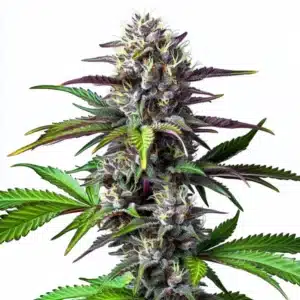
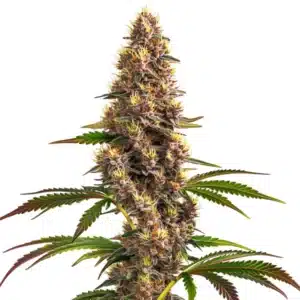
Durban Poison
As a pure sativa, Durban Poison offers an uplifting and clear-headed high. It’s a great candidate for sap testing because of its resilience and fast flowering time. This strain benefits from precise nutrient management, which can be optimized through sap analysis.
- Yield: Medium
- Flowering Time: 8-10 weeks
- THC: 15-25%
- Terpene Hints: Sweet, earthy, citrus
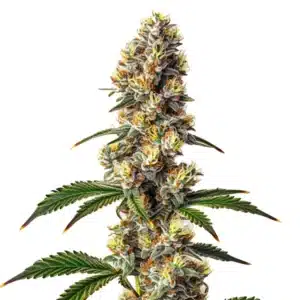
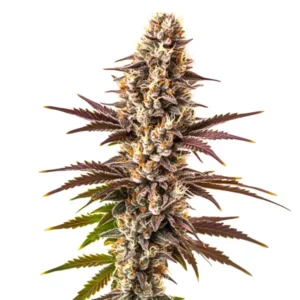
Granddaddy Purple
Known for its deep purple hues and relaxing effects, Granddaddy Purple is a classic indica strain. It responds well to sap testing, allowing growers to enhance its unique flavor profile and potent effects through careful nutrient management.
- Yield: Medium
- Flowering Time: 8-10 weeks
- THC: 25%
- Terpene Hints: Berry, grape, sweet
FAQs About Sap Testing in Cannabis
How does sap testing work in cannabis plants?
Sap testing involves extracting a small amount of fluid from the plant’s stem or leaves. This fluid is then analyzed using specialized equipment to determine the concentration of various nutrients. The results provide a snapshot of the plant’s nutrient status at that moment in time.
Growers use sap testing to monitor the levels of essential elements like nitrogen, phosphorus, and potassium, among others. By knowing these levels, they can adjust their fertilization practices to ensure optimal plant health and growth.
Why is sap testing important in marijuana cultivation?
The importance of sap testing in marijuana cultivation lies in its ability to provide real-time data about plant health. This data helps growers make precise adjustments to their nutrient management strategies, preventing deficiencies and toxicities.
By using sap testing, growers can avoid the pitfalls of over-fertilization or under-nourishment, both of which can lead to reduced yields and inferior cannabis quality. It allows for a more tailored approach to cultivation, resulting in healthier plants and better harvests.
How can sap testing improve cannabis quality?
Sap testing improves cannabis quality by ensuring that plants receive the right balance of nutrients throughout their growth cycle. This balance is crucial for the development of cannabinoids and terpenes, which determine the potency and flavor of the final product.
With regular sap testing, growers can fine-tune their nutrient regimens, leading to cannabis with improved aroma, taste, and overall effects. It also helps in achieving consistent quality across different harvests.
Is sap testing suitable for all cannabis strains?
Sap testing is suitable for most cannabis strains, though the degree of benefit may vary. Some strains are more sensitive to nutrient levels and may respond more noticeably to adjustments based on sap analysis.
For strains with specific nutrient requirements, sap testing can be particularly beneficial. It allows growers to tailor their feeding strategies to match the unique needs of each strain, promoting optimal growth and yield.
What equipment is needed for sap testing?
Sap testing requires certain specialized equipment, including a sap extractor and nutrient analysis tools. These tools are designed to measure the concentration of various nutrients within the sap.
While the initial investment in sap testing equipment can be significant, many growers find that the benefits outweigh the costs. The ability to accurately monitor and adjust nutrient levels can lead to healthier plants and higher-quality cannabis.
To learn more about cannabis strains that are ideal for sap testing, visit Blimburn Seeds, where you can explore a diverse range of options tailored to different growing needs.