What Is Indoor Weed? A Beginner’s Guide

Quick Summary: Indoor weed refers to cannabis cultivated in a 100% controlled environment. Using artificial lights (LED/HID) and climate systems, growers manage PAR levels, NPK ratios, and VPD to produce denser, more potent buds with superior terpene profiles compared to outdoor crops.
What Is Indoor Weed? A Professional Perspective
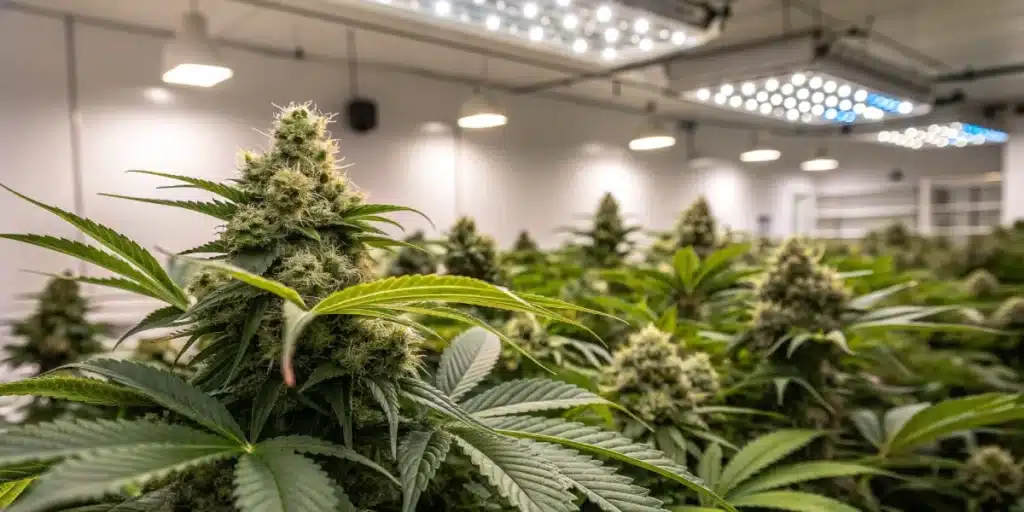
Indoor weed describes cannabis plants cultivated within a strictly managed, artificial ecosystem. Unlike outdoor farming, where nature dictates the outcome, indoor cannabis thrives in a space where every biological necessity, from CO2 concentration to the specific light spectrum, is provided by the grower. This level of precision is the gold standard for producing “top-shelf” flower, as it allows the plant to reach its full genetic potential without environmental stress.
Recommended Strains
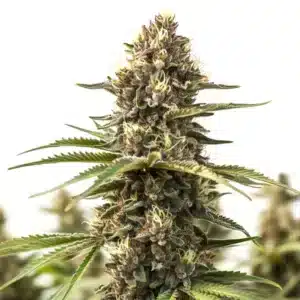
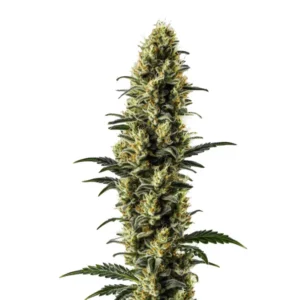
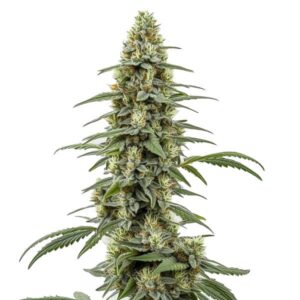
Animal Cookies

|
THC | 22% - 27% (High) |

|
Type | Feminized |

|
Yield | High |

|
Phenotype | 50% Indica / 50% Sativa |
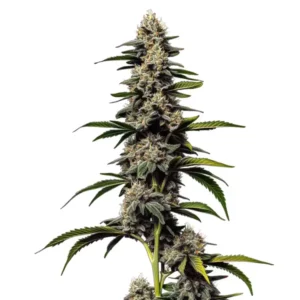
Alien Cookies x Kush Mints
|
|
THC | 33% - 34% (High) |
|
|
Type | Feminized |
|
|
Yield | High |
|
|
Phenotype | 80% Indica / 20% Sativa |
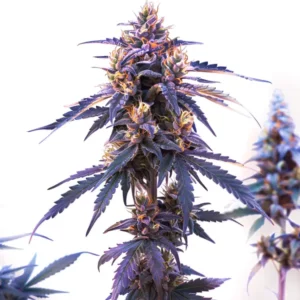
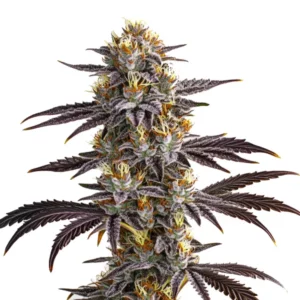
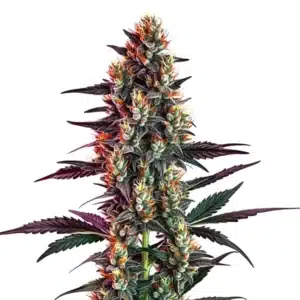
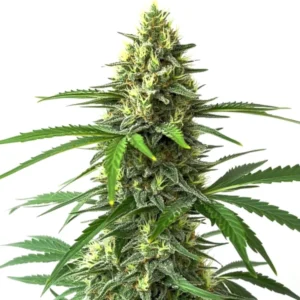
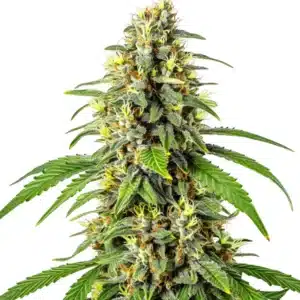
By learning what does indoor flower mean weed enthusiasts often discover it is a synonym for quality. Inside a grow room or tent, the absence of wind, dust, and unpredictable UV fluctuations prevents the degradation of delicate trichomes. This results in an indoor bud that is typically “frostier” and more aromatic. The stability of the environment also allows for a “perpetual harvest” cycle, meaning you can harvest fresh flower every few weeks regardless of the winter or summer seasons outside.
Promos & Deals
The Technical Difference Between Indoor and Outdoor Weed
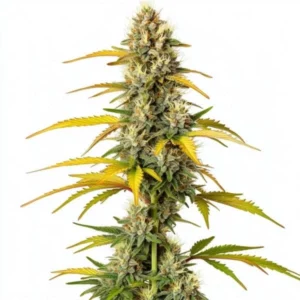
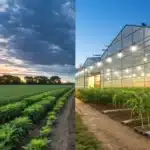
When asking is indoor or outdoor weed better, the answer lies in the density of cannabinoids and terpenes. Cannabis indoors usually boasts higher THC percentages because the light intensity is consistent. Outdoors, a few cloudy days can slow down resin production. Furthermore, the difference between indoor and outdoor weed is often visible to the eye: indoor buds are typically tighter and brighter in color, while outdoor buds may be larger but “airier” due to varying light penetration.
From a biological standpoint, the indoor flower weed experience is defined by the grower’s ability to manipulate the Vapor Pressure Deficit (VPD). By balancing temperature and relative humidity, growers ensure the plant’s stomata remain open, maximizing the intake of CO2. This creates a metabolic “fast lane” that outdoor plants rarely access. This efficiency leads to the exotic, pungent aromas associated with high-end indoor cannabis.
Technical Comparison: Cultivation Environments
| Feature | Indoor (Grow Room) | Greenhouse | Outdoor (Field) |
|---|---|---|---|
| Light Source | Full Spectrum LED / HPS | Sun + Supplemental Light | Natural Sunlight |
| Climate Control | Total (AC, Dehumidifier) | Partial (Fans, Shading) | None (Natural) |
| Pest Risk | Low (Filtered Intake) | Moderate | High |
| Terpene Profile | High Preservation | Variable | Natural but Exposed |
| Bud Density | Maximum (Tight Buds) | Medium-High | Medium-Low |
| Harvest Frequency | 4-6 times per year | 2-3 times per year | Once per year |
Managing the Cycle: From Vegetative to Flower
The success of indoor bud depends on distinct light cycles. During the vegetative stage, plants need 18-24 hours of light. This encourages “blue” spectrum absorption, which builds strong stems and broad leaves. For photoperiod strains, switching to 12 hours of uninterrupted darkness triggers the flowering stage. This shift mimics the shorter days of autumn, signaling the plant to stop growing leaves and start producing indoor flower weed.
Nutrient management is equally vital. In the vegetative phase, plants require a high nitrogen (N) ratio. Once they transition to flower, the focus shifts to phosphorus (P) and potassium (K) to support large, resin-heavy buds. Professional growers often use a “flushing” technique in the final two weeks, using only pH-balanced water to remove excess salts. This step ensures that the final indoor cannabis product burns cleanly and tastes pure, free from chemical crackling.
Expert Tips for Master Cultivators
- Control your VPD: Use a chart to ensure your humidity matches your temperature. For example, at 25°C, aim for 55-60% humidity in late veg.
- Monitor Trichomes, not Pistils: Use a 30x-60x microscope. Harvest when 10-20% of the resin heads are amber for a physical “couch-lock” or when all are milky for a cerebral high.
- Implement “LST” (Low Stress Training): Gently bend branches to create a flat canopy. This ensures every indoor bud receives the same amount of PAR (Photosynthetically Active Radiation).
- The 48-Hour Dark Trick: Some experts leave plants in total darkness for 48 hours before harvest to boost final resin production.
- Air Exchange is Key: Replace the entire volume of air in your grow room every 3-5 minutes to prevent CO2 depletion.
What’s the real difference between indoor and outdoor weed?
The primary difference is control. Indoor weed is grown in a lab-like environment, resulting in higher potency and better flavor preservation. Outdoor weed relies on the sun, which can create larger yields but exposes the indoor flower weed to degradation from wind, UV rays, and dust, often making the buds less dense and slightly harsher to smoke.
What does indoor flower mean weed quality?
In the cannabis industry, “indoor flower” is a mark of premium quality. It means the plant was never stressed by heatwaves or rain, allowing it to produce maximum terpenes like Limonene (citrus) and Myrcene (earthy). This meticulous care creates the “entourage effect,” where cannabinoids and terpenes work together for a more powerful and nuanced experience.
Is indoor cannabis more potent than outdoor?
Generally, yes. Cannabis indoors can be pushed to its absolute THC limit because growers provide a constant, high-intensity light source. While outdoor plants can grow massive, they often have lower THC concentrations per gram of indoor bud because the sun’s intensity changes throughout the day and year, unlike high-output LED systems.
Can I grow indoor flower weed in a closet?
Yes, you can. Modern grow tents are designed to fit into small spaces like closets. The most important factor is ventilation; even in a small closet, you must have an exhaust fan with a carbon filter to manage humidity and the strong scent of the ripening indoor cannabis. Using compact LED lights also prevents heat buildup in small spaces.