What Happens If My Cannabis Plants Stop Transpiring?

Transpiration is a vital process for cannabis plants, helping them to breathe and stay cool. When this process halts, it can spell trouble for your grow room. Whether you’re a first-time grower or a seasoned green thumb, knowing what happens if my cannabis plants stop transpiring? is crucial for maintaining healthy growth and achieving a successful harvest. This knowledge allows you to identify issues early and restore proper plant function before yields are affected.
Transpiration allows your plants to take up water and nutrients from the soil. If this process stops, it could be due to environmental stress, pests, or diseases. Recognizing the signs early can help you save your crop.
Recommended Strains
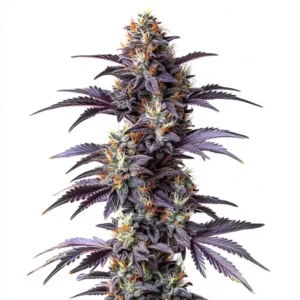
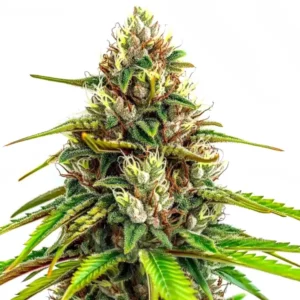
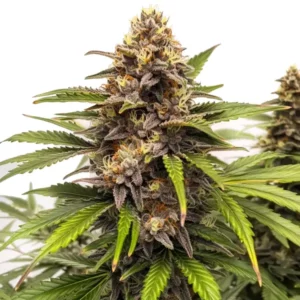
Mimosa Cake Auto

|
THC | 22% - 24% (Medium) |

|
Type | Autoflowering |

|
Yield | High |

|
Phenotype | 40% Indica / 60% Sativa |
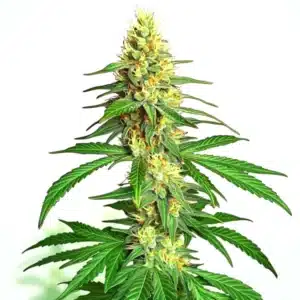
Runtz Autoflower
|
|
THC | 18% - 22% (Medium) |
|
|
Type | Autoflowering |
|
|
Yield | High |
|
|
Phenotype | 55% Indica / 45% Sativa |
Let’s delve into what causes these issues, how to diagnose them, and what you can do to get your plants back on track. We’ll also highlight how specific strains like Runtz Auto, Mimosa Cake Auto, and Banana Kush Auto might react differently to transpiration problems.
Causes of transpiration problems
Knowing the causes of transpiration issues can help you prevent them. Several factors can lead to your cannabis plants stopping their transpiration process. Knowing what happens if my cannabis plants stop transpiring? is crucial, as it can affect nutrient uptake, growth rate, and overall plant health, ultimately reducing yield and vitality.
Environmental stress
Environmental factors like temperature, humidity, and light play a crucial role in transpiration. If the grow room is too hot, your plants might close their stomata to conserve moisture. This reduces transpiration, affecting nutrient uptake.
On the flip side, if the humidity is too high, your plants might stop transpiring because they cannot release moisture efficiently. Maintaining a balance is key. For strains like Mimosa Cake Auto, which respond quickly to shifts in temperature and light intensity, monitoring environmental changes closely can prevent issues.
- Ensure temperatures stay between 70–85°F.
- Keep humidity around 40–60% during the vegetative stage.
- Avoid sudden changes in light intensity.
Pests and diseases
Pests and diseases can also halt transpiration by damaging the leaves. When pests like spider mites attack, they puncture the leaf surface, interfering with the plant’s ability to transpire.
Diseases such as powdery mildew can coat leaves, blocking the stomata. If you notice a white, powdery residue on your Banana Kush Auto plants, it might be time to act quickly.
Promos & Deals
Diagnosing transpiration issues
Identifying that your cannabis plants have stopped transpiring isn’t always straightforward. However, there are clear signs to watch for.
Leaf symptoms
When cannabis plants stop transpiring, their leaves might wilt or show signs of nutrient deficiencies. This is because the plants are unable to take up nutrients effectively.
For instance, with the Runtz Auto strain, you might notice slight leaf curling or edges turning crispy brown due to limited water movement. These symptoms can easily be mistaken for nutrient burn, so careful observation is needed.
Growth slowdown
If your plants suddenly stop growing or if bud development stalls, it might indicate transpiration issues. This is because the lack of nutrient uptake hampers growth.
Check the roots and soil. Overly dry or waterlogged soil can contribute to problems. Adjusting your watering schedule might be necessary to revive your plants.
- Inspect leaves for wilting or curling.
- Monitor growth rates closely.
- Check soil moisture levels regularly.
Solutions for transpiration problems
Once you’ve identified the cause, implementing solutions quickly can save your crop. Different strains may require tailored approaches.
Adjusting environmental factors
Recalibrating the environment is often the first step. Make sure your grow room has adequate air circulation. Fans can help maintain the right temperature and humidity levels.
Strains like Mimosa Cake Auto may require extra care with light exposure and air quality, as they are sensitive to excessive heat. Regularly monitor these factors to ensure optimal growing conditions.
- Use air conditioners or heaters to regulate temperature.
- Install humidifiers or dehumidifiers as needed.
- Ensure proper ventilation with oscillating fans.
Managing pests and diseases
If pests are the culprit, introduce natural predators like ladybugs or use organic pesticides. Be sure to apply treatments in the early morning or late evening to avoid leaf burn.
Disease management might involve removing affected leaves and improving air flow. Keeping your grow room clean and free of debris is crucial, especially for pest-prone strains like Runtz Auto.
FAQs about What happens if my cannabis plants stop transpiring?
Why is transpiration important for cannabis plants?
Transpiration is critical because it helps regulate plant temperature, facilitates nutrient uptake, and maintains plant structure. When cannabis plants transpire, they pull water and nutrients from the roots, which are essential for growth and development.
If this process is disrupted, the plants can suffer from nutrient deficiencies and stress. This can lead to poor growth and reduced yields, making it crucial to maintain proper conditions for transpiration.
How can I tell if my cannabis plants have stopped transpiring?
Signs that your cannabis plants have stopped transpiring include wilting leaves, slowed growth, and nutrient deficiencies. The leaves may appear dull, and the plant might look lifeless.
Observing these symptoms early can help you take corrective action before the plants suffer irreparable damage. Regular monitoring of plant health is essential in maintaining a thriving grow room.
What can cause cannabis plant transpiration problems?
Cannabis plant transpiration problems can be caused by environmental stress such as high temperatures, low humidity, or inadequate air circulation. Pests and diseases can also damage leaves, hindering the plant’s ability to transpire.
Identifying the root cause of the problem is key to implementing effective solutions and ensuring your plants return to their full potential.
Can certain strains handle transpiration issues better?
Yes, some strains are more resilient to environmental stress and can handle transpiration issues better. For example, Purple Lemonade Autoflower is known for its adaptability to different growing conditions.
Knowing the specific needs and resilience of your chosen strains can help you tailor your growing environment to prevent transpiration problems from occurring.
What steps can I take to prevent transpiration problems in the future?
To prevent transpiration problems, maintain consistent environmental conditions in your grow room. This includes temperature, humidity, and light levels. Regularly check your plants for signs of pests or diseases.
Utilizing proper equipment such as fans, dehumidifiers, and air conditioners can help manage these factors. Consistent monitoring and adjustments will create a stable environment for your cannabis plants to thrive.