What Does TAC Do?

Quick Summary: TAC (Total Active Cannabinoids) represents the full chemical profile of a cannabis plant, including THC, CBD, CBG, and others. Unlike THC alone, TAC determines the overall strength and Entourage Effect, guiding you toward the specific medical or recreational experience you desire.
What Does TAC Do in Cannabis?
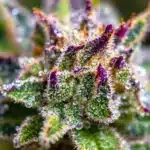
The term TAC in weed stands for Total Active Cannabinoids. While many people focus only on THC, TAC tells a much bigger story. It is the sum of every active compound found in the plant’s resin glands. These glands, called trichomes, are like tiny chemical factories. They produce not just THC, but also CBD, CBC, CBG, and even CBN as the plant ages. Understanding what TAC does is like looking at the whole orchestra instead of just the lead singer.
Recommended Strains

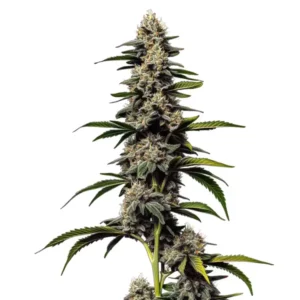
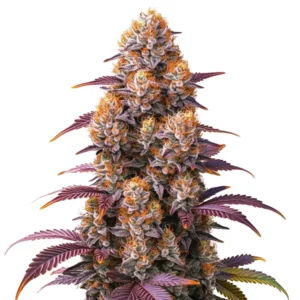
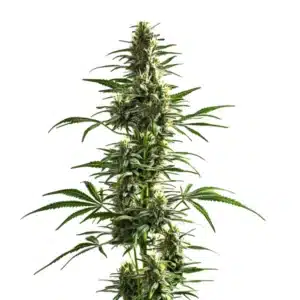
Fat Bastard

|
THC | 30% - 38% (High) |

|
Type | Feminized |

|
Yield | High |

|
Phenotype | 50% Indica / 50% Sativa |

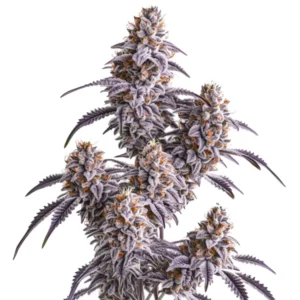
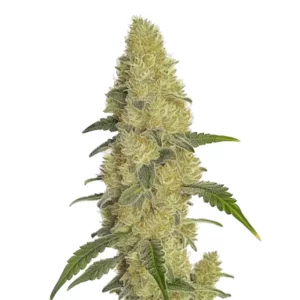
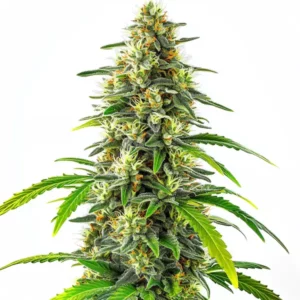
Fat Bastard Auto
|
|
THC | 30% - 38% (High) |
|
|
Type | Autoflowering |
|
|
Yield | High |
|
|
Phenotype | 50% Indica / 50% Sativa |
Biologically, total active cannabinoids work together to create what scientists call the “Entourage Effect.” This means that 1% of CBD mixed with 20% THC feels very different from 21% pure THC. The presence of minor cannabinoids can “tame” the high or boost the physical relaxation. For a grower, maximizing TAC requires perfect environmental control. You must provide a full light spectrum (PAR) and specific nutrients like Phosphorus and Potassium during the flowering stage to ensure the resin glands are fully packed with these vital molecules.
Promos & Deals
TAC vs THC: the Difference
When comparing TAC vs THC, think of THC as the primary driver and TAC as the complete fuel mixture. THC is mainly responsible for the psychoactive “high.” However, a high THC percentage doesn’t always mean a better product. A strain with 25% THC and 0% other cannabinoids might feel “flat” or cause more anxiety. In contrast, a strain with 20% THC but a high TAC (including 2% CBD and 1% CBG) often provides a more balanced and pleasant experience.
Furthermore, we must look at THCA vs TAC. THCA is the “raw” form of THC found in the living plant. It only becomes psychoactive THC when heated (decarboxylation). TAC includes both the acidic forms (like THCA and CBDA) and the neutral forms. This is why lab reports are so important. They show you exactly what is “active” and ready to interact with your body’s endocannabinoid system. If you want a deep “couch-lock” feeling, you look for a TAC profile rich in Myrcene and CBD. If you want energy, you look for Limonene and high THC.
Technical Comparison: Cannabinoid Profiles
| Feature | High TAC Strain | Pure THC Distillate | Standard “Mids” |
|---|---|---|---|
| Composition | Full spectrum (THC, CBD, CBG, CBC) | 90%+ Isolated THC | Mostly THC with little variety |
| Biological Effect | Complex Entourage Effect | One-dimensional high | Standard psychoactivity |
| Medical Value | Highest (multi-symptom relief) | Moderate (specific use) | Low to Moderate |
| Grow Complexity | Requires optimized PPFD/VPD | N/A (Extraction focused) | Basic environmental needs |
| Aroma/Terpenes | Rich and varied (Pungent) | Odors often removed | Mild “hay” or grassy scent |
| User Experience | Full-bodied, lingering effects | Intense but short-lived | Generic and functional |
What is TAC in Marijuana Cultivation?
For growers, tac in marijuana is the ultimate score of success. It represents how well you managed the plant’s metabolism. To hit high TAC numbers, you must push the plant during the final weeks of bloom. This involves increasing light intensity (measured in PPFD) and ensuring the temperature stays below 75°F (24°C). If it gets too hot, the delicate “heads” of the resin glands will burst or evaporate, causing the TAC to drop significantly.
The total active cannabinoids also depend on the harvest window. If you harvest too early when the trichomes are clear, the TAC is low. If you wait until they are milky and some are amber, you reach the peak. After this point, THC starts to degrade into CBN. While CBN is part of the TAC, it makes the weed feel very sleepy. Professional growers use a 30X microscope to watch the resin glands turn from clear to “creamy white,” which signifies the highest level of active compounds.
Professional Cultivator Tips for Maximizing TAC
- Leach Before Harvest: Stop all fertilizers 10–14 days before cutting. Use distilled or RO water to flush out nutrient salts. This clears the “chemical” taste and lets the plant focus on ripening its resin.
- Monitor Trichome Color: Never harvest based on the white hairs (pistils) alone. Use a jeweler’s loupe. Peak TAC is usually reached when 50% of the trichome heads are milky and 50% are clear or amber.
- Control Drying Vapors: Keep drying rooms below 70°F (21°C). High heat causes the essential oils (terpenes) to volatize. Terpenes are crucial for the effectiveness of the TAC.
- The 91-Day Rule: For perpetual harvests, follow a strict schedule. Spend 3 weeks for rooting clones, 2 weeks in vegetative growth, and 8 weeks in flowering to ensure maximum chemical maturity.
- Avoid Friction: Handle buds only by the stems. Every time you touch a bud, you rupture resin glands, lowering the TAC and potency instantly.
What is tac in weed vs. total THC?
Total THC only measures one specific compound. TAC measures everything. For example, a strain might have 18% THC but a TAC of 22%. That extra 4% comes from CBD, CBG, and other active compounds. This makes the “weed” much more complex and usually higher in quality than a product that only tests for THC.
Is high tac good for medical users?
Yes, high TAC is generally excellent for medical patients. Because TAC includes minor cannabinoids like CBG (for inflammation) and CBD (for anxiety), it offers a broader range of healing. A high TAC product is more likely to provide consistent relief through the synergy of different cannabinoids working together on the body’s receptors.
How does curing affect total active cannabinoids?
Proper curing for 2–4 weeks doesn’t necessarily create more cannabinoids, but it makes them more “active” and bioavailable. Curing breaks down chlorophyll (which tastes bad and causes throat burn) and allows the cannabinoid profile to stabilize. This results in a much smoother smoke and a more effective high from the existing TAC levels.
Can I increase TAC with specific lighting?
Absolutely. Using a Wide-Spectrum HID or High-Quality LED with added UV-B light can trigger a defense mechanism in the plant. The plant produces more resin (TAC) to protect itself from the light stress. However, you must keep the room cool, or the heat will destroy the very resin the plant is trying to build.