What Do Cannabis Seeds Look Like? Discover it here

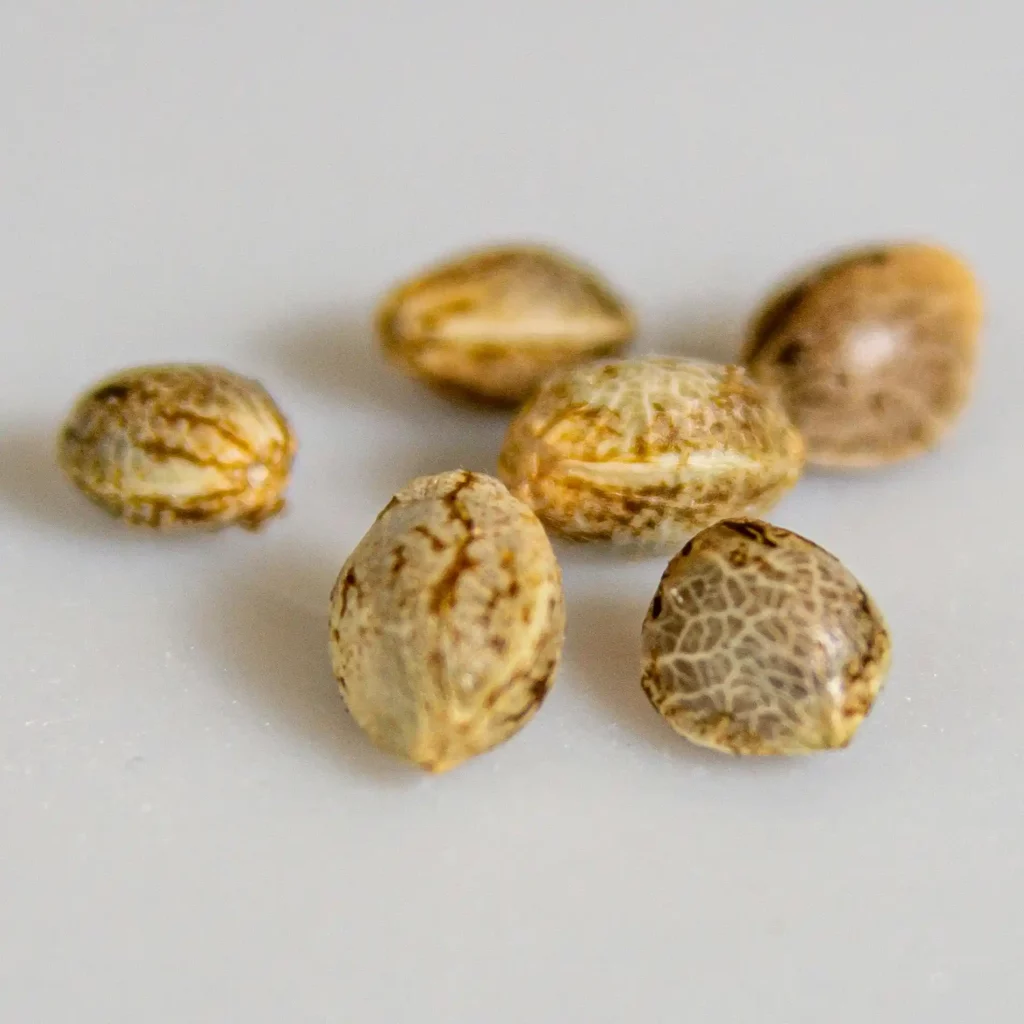
Quick Summary: Healthy cannabis seeds feature a hard, teardrop-shaped shell with colors ranging from beige to dark brown, often displaying mottled “tiger stripes.” Viability is marked by shell integrity and waxiness, while immature seeds appear green or white and lack the structural strength for successful germination.
What Do Marijuana Seeds Look Like? A Technical Identification Guide
Understanding what marijuana seeds look like is the foundational skill of any professional horticulturist. A cannabis seed is a sophisticated biological package containing an embryo, a food supply (endosperm), and a protective outer coating known as the testa. For a seed to be considered high-quality, the testa must be fully developed and sealed to protect the internal hormone concentrations, specifically abscisic acid (ABA), cytokinins, and gibberellins, from premature oxidation.
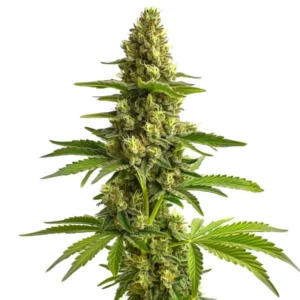
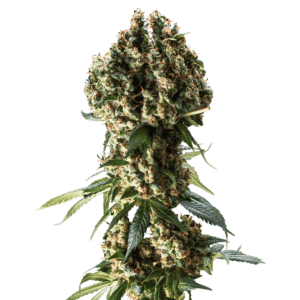
Recommended Strains

Blue Cheese

|
THC | 16% - 20% (Medium) |

|
Type | Feminized |

|
Yield | High |

|
Phenotype | 80% Indica / 20% Sativa |
Blue Cheese Autoflower
|
|
THC | 14% - 16% (Medium) |
|
|
Type | Autoflowering |
|
|
Yield | High |
|
|
Phenotype | 80% Indica / 20% Sativa |
When observing what weed seeds look like, you should look for a distinct waxy sheen. This cuticle layer serves as a moisture barrier. Healthy, mature specimens typically exhibit “marbling” or “tiger stripes,” which are actually remnants of the perianth or calyx that adhered to the seed during its development within the female flower. These markings are not just aesthetic; they are indicators of advanced maturity and structural integrity. A seed lacking these markings may still be viable, but the presence of dark, well-defined patterns is a hallmark of a robust genetic profile ready for the high metabolic demands of the germination phase.
Promos & Deals
Physical Characteristics of Healthy and Immature Cannabis Seeds
If you are asking what does a weed seed look like when it is ready for soil, the answer lies in the color and resistance. Viable seeds are never soft. They should withstand moderate pressure between the thumb and forefinger without cracking. The color spectrum of a mature seed is typically “earthy”, shades of brown, tan, or even grey-black. If the seed is white, pale green, or shriveled, it is an immature cannabis seed. These seeds have not yet accumulated sufficient starches and oils to power the radicle (the first root) through the shell.
Biologically, the marijuana seed is a dicotyledon. This means that inside that hard shell, there are two embryonic leaves (cotyledons) waiting to emerge. The size of the seed can vary based on the subspecies. For instance, Cannabis afghanica seeds are often large and broad, reflecting their mountainous origin and need for significant energy reserves. Conversely, certain Cannabis sativa landraces produce smaller, more spherical seeds. Regardless of size, the key visual marker is the hilum, the small scar where the seed was attached to the mother plant’s ovary, which acts as the entry point for water during the imbibition process.
| Technical Feature | Indica Dominant | Sativa Dominant | Autoflowering (Ruderalis) |
|---|---|---|---|
| Visual Size | Large, plump, broad shape. | Smaller, more elongated or oval. | Very small, often “grain-like.” |
| Shell Pigmentation | Dark brown to blackish marbling. | Lighter tans, fewer stripes. | Consistent tan or grey hues. |
| Germination Temperature | 75°F – 80°F (24°C – 27°C) | 78°F – 85°F (25°C – 29°C) | 70°F – 78°F (21°C – 25°C) |
| Seedling N-P-K Ratio | 1-1-1 (Low concentration) | 1-0.5-0.5 (Higher N affinity) | 0.5-1-0.5 (Focus on roots) |
| Terpene Potential | High Myrcene & Linalool. | High Limonene & Pinene. | High Caryophyllene. |
| Average Plant Height | 3 – 6 feet (Squat/Bushy) | 6 – 15 feet (Tall/Leggy) | 1 – 3 feet (Compact) |
Types of Weed Seeds: Regular, Feminized, and Autoflowering
While most types of weed seeds look identical to the naked eye, their genetic potential is vastly different. Regular cannabis seeds are produced through traditional pollination and result in a roughly 50/50 male-to-female ratio. Conversely, feminized seeds are created by inducing a female plant to produce pollen (often using colloidal silver), ensuring 99% female offspring. There is zero visual difference between a female weed seed and a male seed; the only way to know is through genetic testing or growing the plant to its pre-flowering stage.
Autoflowering seeds contain Cannabis ruderalis genetics. These seeds are programmed to trigger flowering based on the plant’s biological clock (usually 3-4 weeks) rather than a shift in the light cycle. For these strains, you must never use a 12/12 light regimen; instead, maintain a 18/6 or 20/4 photoperiod throughout the entire lifecycle to maximize the metabolic rate and harvest weight. High-quality autoflowers often look slightly smaller and more “grainy” than photoperiod seeds but pack the same cannabinoid density if the terpene profiles like Humulene or Terpinolene are properly developed through organic living soil.
Professional Tips for Seed Selection and Storage
- The Float Test: Place your seeds in a glass of distilled water. Viable seeds will sink after 1-2 hours because they have a high density of internal oils. Floating seeds often indicate air pockets within the testa, suggesting a lack of embryonic development.
- Mechanical Scarification: If you have pot seeds with a very hard shell (common in old landrace Indicas), line a matchbox with sandpaper and shake the seeds for 30 seconds. This creates micro-abrasions that allow water to penetrate the shell faster, triggering the gibberellin response.
- Cryogenic Storage: For long-term viability (5+ years), seeds should be stored in airtight glass containers at 35°F – 40°F (2°C – 5°C) with a relative humidity (RH) below 5%. Use silica gel packs to prevent any moisture accumulation, which can cause a “false start” and kill the embryo.
- Seedling Lighting: Once sprouted, seedlings should not be under intense HIDs. Use cool-white fluorescent lamps or LEDs with a PPFD of 100-300 μmol/m²/s to avoid phototoxicity and stem stretching.

What does a good weed seed look like?
A good, high-quality seed is characterized by a dark, hard exterior with a waxy coating. You should see mottled patterns like “tiger stripes” or spotting. If you press it gently between your fingers, it should feel like a small stone. Avoid any seeds that are pale, soft, or have visible cracks, as these are unlikely to survive the hydration process.
What does seeded weed look like?
Seeded weed, often called “mids” or “reggie,” features swollen calyxes that are hard to the touch. Instead of a soft, resinous bud, you will see green or brown pods protruding from the flower. When broken apart, the cannabis seeds will fall out. Seeded weed generally has lower THC levels because the plant redirects energy from resin production to seed maturation.
What do female weed seeds look like?
Visually, female weed seeds look exactly like male seeds. There is no physical trait (size, color, or shape) that can distinguish the sex. To guarantee female plants, you must purchase “Feminized Seeds” from a reputable seed bank. These are genetically bred to eliminate the Y-chromosome, ensuring every seed produces a bud-bearing female plant.
What do immature cannabis seeds look like?
Immature seeds are easy to spot because they are typically white or pale green. Their shell is soft and easily crushed. These seeds have not finished their development cycle on the mother plant and lack the necessary hormone and nutrient reserves to germinate. If you find these in your bud, they are essentially “dead weight” and will not grow.
How do weed seeds look like when they start germinating?
The first sign of germination is the “cracking” of the shell at the pointed end. A tiny, white, fuzzy “tail” will emerge, this is the radicle. This root is covered in microscopic hairs that are extremely sensitive to light and air. Once the radicle is 0.5 to 1 inch long, it must be planted immediately with the tip pointing down to begin establishing the root system.
For more advanced cultivation techniques, including how to maximize the entourage effect by boosting terpene concentrations like Myrcene and Caryophyllene during the final flowering phase, consult our technical guides on harvest and curing.