What Cannabis Teaches Us About Plant Interactions

Cannabis is more than just a plant for recreation or medicine. It’s a model organism that showcases the intricate dance of plant interactions. From its roots to its leaves, cannabis engages in various relationships with its environment, teaching us valuable lessons about coexistence and survival. By studying these dynamics, we can better understand what cannabis teaches us about plant interactions, including how plants communicate, compete, and collaborate within ecosystems to maintain balance and resilience.
Whether you’re a first-time seed buyer or an experienced grower, knowing these interactions can enhance your cultivation practices. By learning from the cannabis plant, you can optimize growth, increase yields, and produce healthier plants.
Recommended Strains
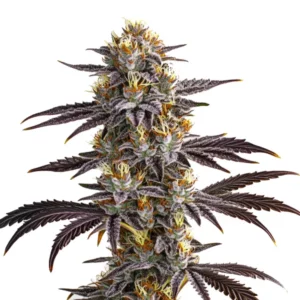
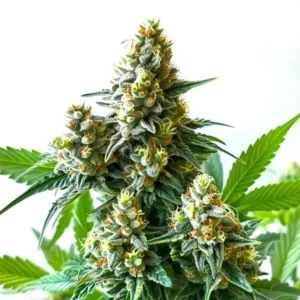
Gelato Auto

|
THC | 19% - 21% (Medium) |

|
Type | Autoflowering |

|
Yield | Medium |

|
Phenotype | 40% Indica / 60% Sativa |
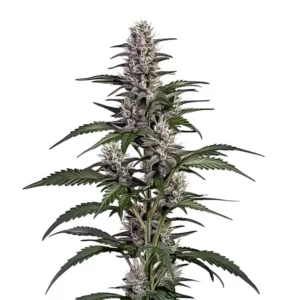
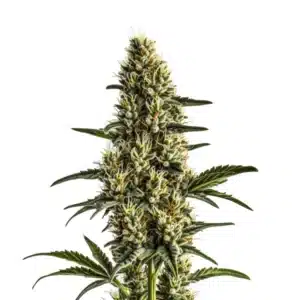
Afghan Autoflower
|
|
THC | 15% - 17% (Medium) |
|
|
Type | Autoflowering |
|
|
Yield | Medium |
|
|
Phenotype | 90% Indica / 10% Sativa |
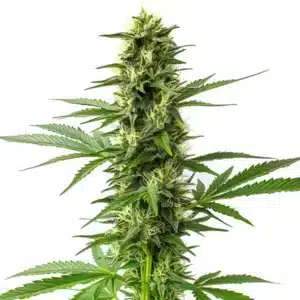
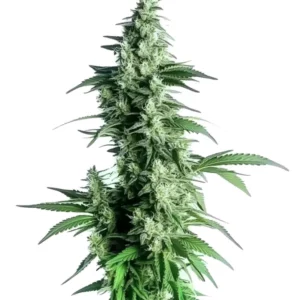
Let’s delve into the world of cannabis and discover how it interacts with its surroundings. We’ll explore how different strains like GG4 Auto, Gelato Auto, and Afghan Autoflower demonstrate these interactions in their unique ways.
Root Interactions and Soil Health
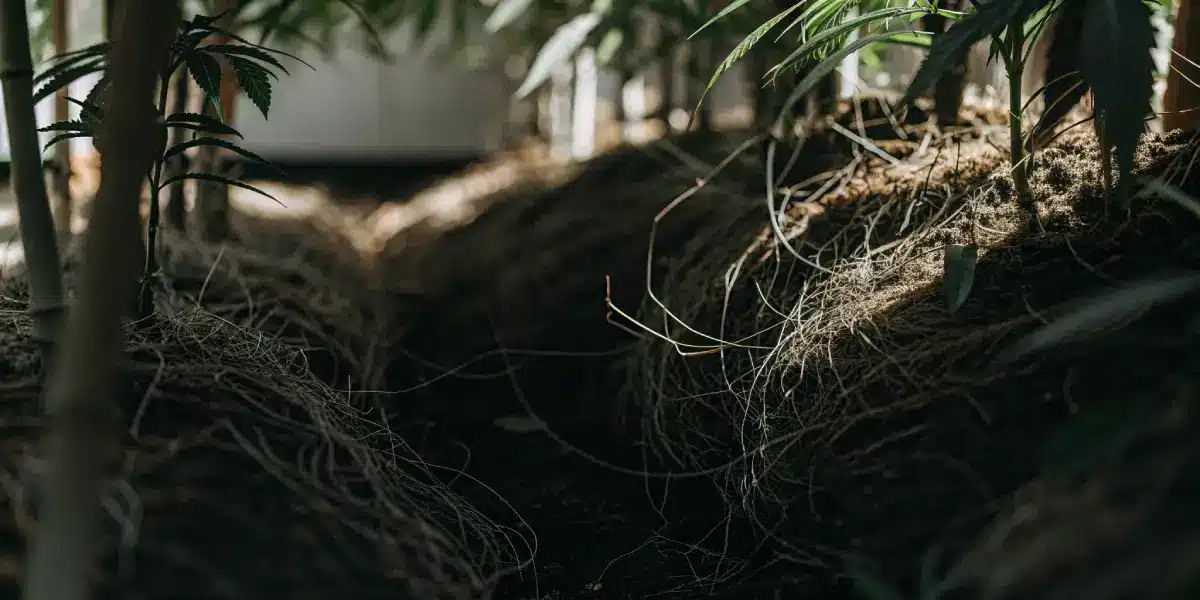
The roots of the cannabis plant are its lifeline, absorbing water and nutrients from the soil. But roots do more than just feed the plant. They form symbiotic relationships with microorganisms, creating a thriving ecosystem beneath the surface.
In cannabis plant interaction studies, researchers have found that healthy soil teeming with microorganisms can significantly boost plant growth. These microorganisms help break down organic matter, making nutrients more accessible to the cannabis plant.
Mycorrhizal Fungi and Cannabis
Mycorrhizal fungi are a type of beneficial fungi that form a partnership with cannabis roots. They extend the root system, enhancing water and nutrient uptake. This interaction can lead to more robust growth and higher yields.
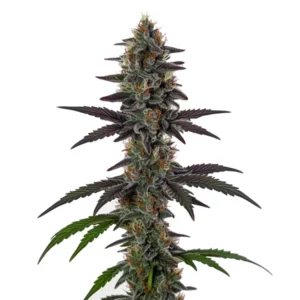
By using mycorrhizal inoculants, growers can mimic nature’s way of enhancing plant health. For example, Gorilla G4 Auto is known for vigor and yield, and benefits from enhanced nutrient uptake with these fungi.
Promos & Deals

Leaf Interactions and Light Absorption
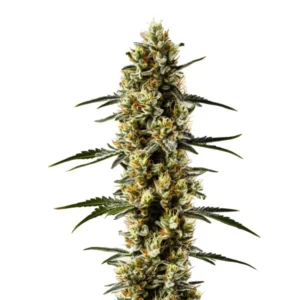
Leaves play a critical role in photosynthesis, converting sunlight into energy. But cannabis leaves also interact with their environment in other ways, such as through transpiration and gas exchange.
Transpiration helps cool the plant and facilitates nutrient uptake, while gas exchange allows the plant to release oxygen and absorb carbon dioxide. These processes are crucial for the cannabis plant’s survival and productivity.
Light Management for Optimal Growth
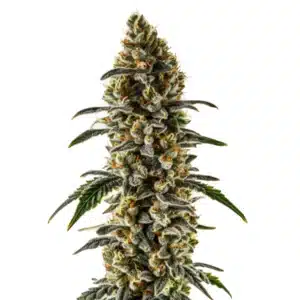
Managing the light environment is essential for maximizing cannabis growth. Strains like Gelato Auto are particularly responsive to light, adapting well to various lighting conditions.
By adjusting light intensity and duration, growers can control flowering times and enhance cannabinoid production. This is especially useful for autoflowering strains that have a set lifecycle.
Cannabis and Companion Planting
Companion planting is a practice where different plants are grown together to benefit each other. Cannabis can be paired with various plants to improve growth, deter pests, and enhance flavors.
Some companion plants can attract beneficial insects or repel harmful ones, reducing the need for chemical pesticides. This creates a more natural and sustainable growing environment.
Best Companion Plants for Cannabis
- Basil: Repels insects and enhances flavor.
- Marigold: Deters nematodes and attracts pollinators.
- Lemon Balm: Attracts bees and improves soil health.
Afghan Autoflower, with its earthy and resinous characteristics, pairs well with basil, enhancing its terpene profile and providing natural pest control.
Knowing Strain-Specific Interactions
Each cannabis strain has unique characteristics and interacts differently with its environment. This can influence everything from nutrient requirements to pest resistance.
For instance, Gorilla G4 Auto is famous for its adaptability and strong performance, making it a favorite among growers. Meanwhile, Gelato Auto’s balanced growth cycle benefits from careful light management for optimal results.
Choosing the Right Strain for Your Environment
When selecting a strain, consider your local climate and growing conditions. Some strains are better suited for indoor cultivation, while others thrive outdoors.
By knowing what cannabis teaches us about plant interactions, you can choose strains like Afghan Autoflower that complement your growing environment, leading to a more successful harvest.
FAQs about What cannabis teaches us about plant interactions
How do cannabis roots interact with soil microorganisms?
Cannabis roots form symbiotic relationships with soil microorganisms, such as mycorrhizal fungi. These fungi extend the root system and improve nutrient uptake, leading to healthier plants. This interaction is an essential aspect of what cannabis teaches us about plant interactions.
By encouraging these natural partnerships, growers can enhance soil health and plant productivity. Using organic soil amendments and reducing chemical inputs can help sustain these beneficial relationships.
What role does light play in cannabis plant interactions?
Light is crucial for photosynthesis, allowing cannabis leaves to convert sunlight into energy. It also influences flowering times and cannabinoid production, making it a key factor in cannabis cultivation.
Strains like Gelato Auto demonstrate how light management can affect growth cycles. Adjusting light conditions can lead to higher yields and better quality buds.
Can companion planting benefit cannabis growth?
Yes, companion planting can significantly benefit cannabis growth. By pairing cannabis with compatible plants, growers can enhance soil health, deter pests, and improve plant resilience.
Companion plants such as basil and marigold provide natural pest control and attract beneficial insects, creating a balanced ecosystem around the cannabis plant.
How do different cannabis strains interact with their environment?
Different cannabis strains have unique interaction patterns with their surroundings. Factors like nutrient uptake, light sensitivity, and pest resistance can vary significantly between strains.
Knowing these interactions helps growers select the right strains for their specific conditions, leading to more successful cultivation outcomes. Strains like GG4 Auto are known for their strong adaptability.
What are some common cannabis plant interaction studies?
Cannabis plant interaction studies often focus on the relationships between cannabis roots and soil microorganisms, light management, and companion planting effects. These studies provide insights into optimizing growing conditions and improving plant health.
By applying findings from these studies, growers can enhance their cultivation techniques, leading to better yields and higher quality cannabis. Staying informed about the latest research can offer new strategies for successful cannabis cultivation.