Weed Seed Size and Color: What They Mean (and What They Don’t)

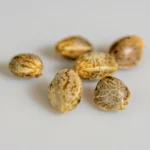
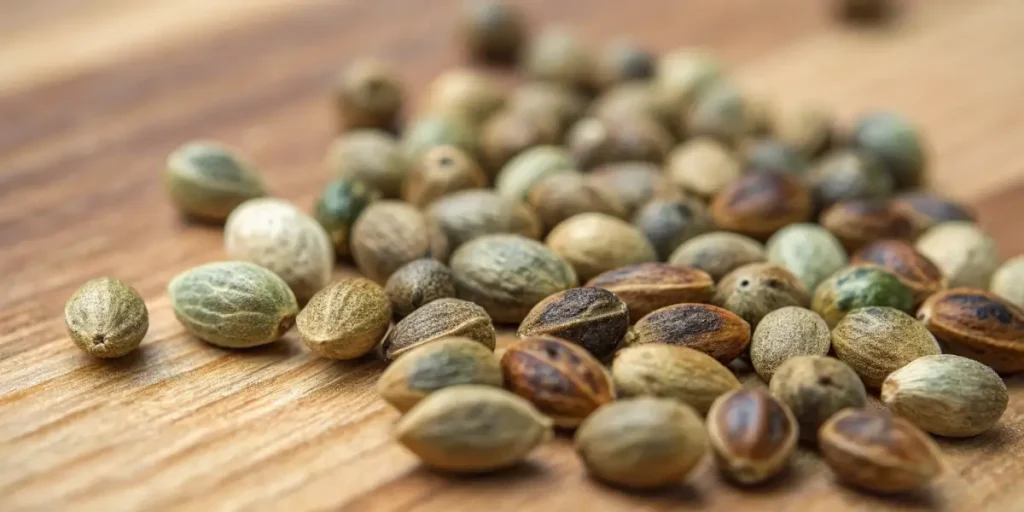
Cannabis seeds (weed seeds) are small, usually 2 to 5 millimeters long and shaped a bit like a teardrop. Tiny as they are, each one holds all the genetics needed to grow a full plant. Size varies a little by strain, but almost all weed seeds fall in that 2-5 mm range.
Seeds vary in shape, size and color, and it is tempting to read a lot into that. The honest answer is that size and color say very little about how good the plant will be; what they can hint at is whether a seed is mature and viable. This guide covers both: what these traits do and do not mean, and how to spot a good seed.
Recommended Strains
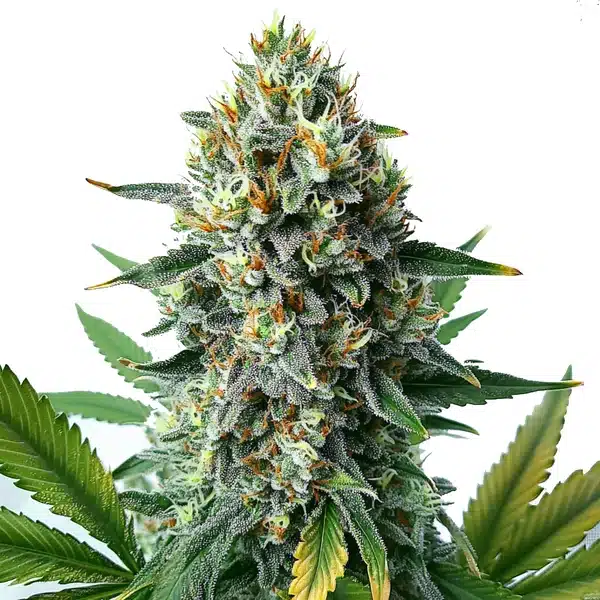
Alien OG Fast Version

|
THC | 14% - 16% (Medium) |

|
Type | Fast Flowering |

|
Yield | High |

|
Phenotype | 70% Indica / 30% Sativa |
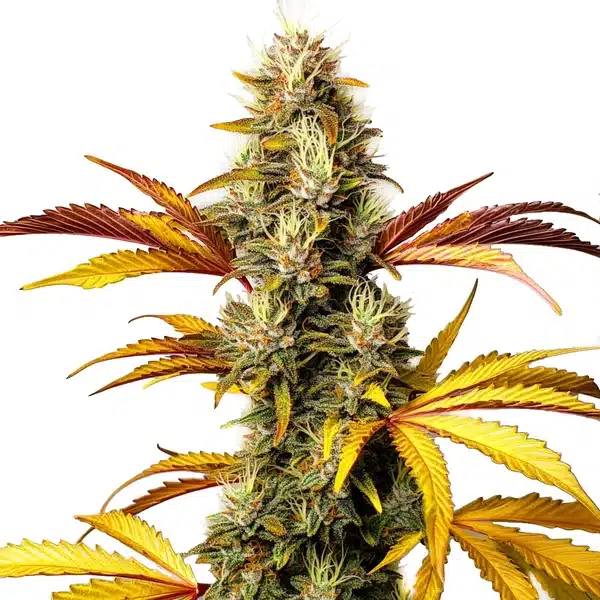
Alien Og Regular
|
|
THC | 18% - 22% (Medium) |
|
|
Type | Regular |
|
|
Yield | Medium |
|
|
Phenotype | 50% Indica / 50% Sativa |
What a Good Weed Seed Looks Like
Color and size will not tell you how potent or productive a plant will be, but a few visual and physical checks do hint at whether a seed is mature and viable:
- Color and pattern: mature seeds are usually dark brown or grey-black, often with tiger-stripe mottling. Pale green or white seeds are often immature.
- Firmness: a good seed feels hard and does not crush under a gentle squeeze. Soft or hollow seeds are usually duds.
- Shape and sheen: plump, rounded seeds with a slight waxy sheen tend to be healthier than flat, dull ones.
- The float test (use with caution): some growers drop seeds in water for a couple of hours; many viable seeds sink while empty ones float. It is not foolproof and can start germination, so only do it right before planting.
| Appearance | What it usually means | Viability |
|---|---|---|
| Dark brown/black, often with tiger stripes or mottling | Mature, fully developed | Usually good |
| Hard shell, holds up to a gentle squeeze | Ripe and intact | Usually good |
| Pale green, white or very light tan | Often immature (picked too early) | Often poor |
| Cracked, crushed or dusty/hollow feel | Damaged or old | Usually poor |
| Size differences (small vs large) | Normal genetic/strain variation | Not a quality indicator |
Promos & Deals

Do All Cannabis Seeds Look the Same?
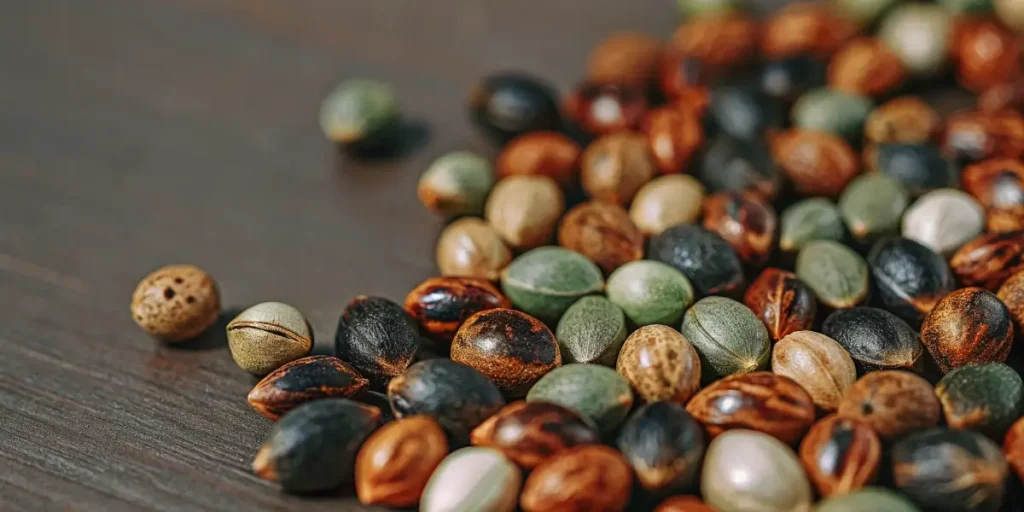
Cannabis seeds range from small and fine to larger and more robust, and colors run from light tan to near-black. This variety is normal and largely genetic. You will even see it within a single strain, or a single plant.
So if a pack contains seeds of slightly different sizes and shades, that is completely normal and not a sign of poor quality. What matters far more is whether each seed is mature and how you germinate it.
Does Seed Size or Color Affect Quality?
Size has surprisingly little effect on the final plant. A larger seed carries a bit more stored energy, which can give the seedling a small early boost, but that rarely translates into a stronger or higher-yielding plant. Small seeds germinate just as well. In short, do not reject a seed just because it looks small.
Color is mostly a sign of maturity, not quality. Darker seeds tend to be riper and have a slightly tougher shell, which is why very pale or green seeds (picked too early) can struggle. But among mature seeds, a dark one is not ‘better’ than a lighter brown one. Germination conditions matter far more than shade.
What actually decides the plant’s health and yield are the things you control after planting: soil quality, moisture, light and a good germination method. Put your energy there rather than into sorting seeds by size.
What Weed Seed Color Tells You
Seed color runs from light green and tan to brown and near-black, driven mostly by how ripe the seed was at harvest, plus genetics. The useful takeaway: color is a clue to maturity, not to the quality or potency of the future plant. A very green seed may simply have been harvested too early.
So among properly matured seeds, a darker one is not automatically better than a lighter brown one; both can germinate and grow equally well. Color helps you avoid clearly immature (pale green) seeds, but beyond that, your germination method matters more than shade.
Myths About Seed Size and Color
The biggest myth is that bigger or darker automatically means better. It does not. Larger seeds have a little more starter energy, but that does not guarantee a higher germination rate or a better plant than a smaller seed.
Color alone does not decide whether a seed sprouts either. Seed-coat thickness, maturity, and the temperature and moisture during germination matter far more. Get those right and both light and dark mature seeds will pop.
One more myth worth killing: you cannot tell a seed’s sex or future potency from its size or color. Whether a plant is female and how potent it gets come down to genetics (and, for sex, whether you bought feminized seeds), not the look of the seed.
Practical Advice for Growers
The practical upshot: choose seeds by strain and genetics, from a source you trust, and then put your effort into the germination setup. That is where results are won or lost, not in sorting seeds by looks.
Dial in soil, moisture and temperature for germination, and if you have older or tough-shelled seeds, light scarification can help. For the full method, see our guide on how to germinate weed seeds.
Finally, store seeds well: cool, dark and dry (many growers use an airtight container in the fridge). Good storage keeps any mature seed viable far longer, whatever its size or color.
In short: use size and color to spot a clearly immature or damaged seed, and no more. A mature, well-stored seed of any size or shade, from good genetics, will grow into a great plant if you germinate and raise it well. Choose your strain, then focus on the grow.
FAQs About Weed Seed Size and Color
How big are weed seeds?
Cannabis seeds are small, usually 2 to 5 millimeters long and roughly teardrop-shaped, weighing only a fraction of a gram (often around 0.03-0.05 g). Size varies a little by strain and even within one plant, which is completely normal and not a sign of quality. Almost all healthy weed seeds fall in that range.
What does a healthy weed seed look like?
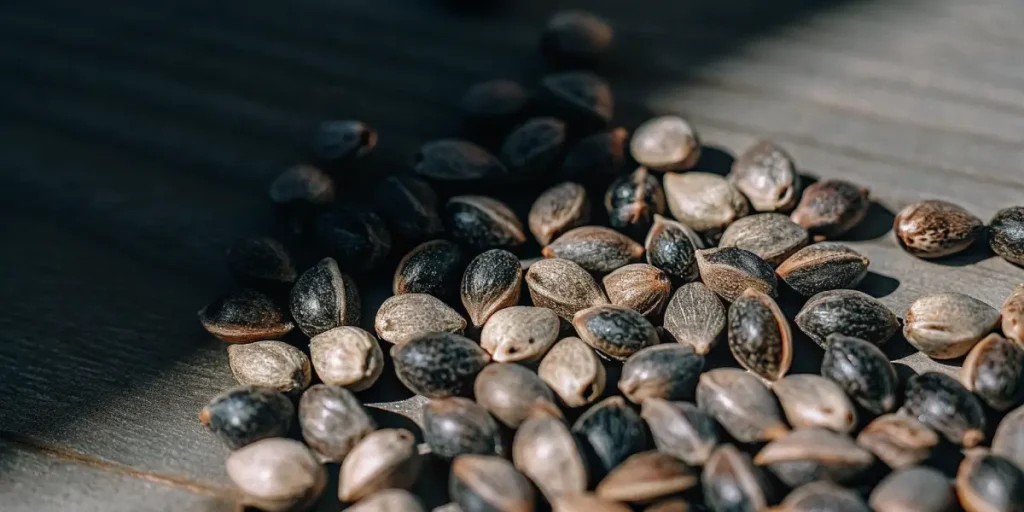
A healthy, mature weed seed is usually dark brown to grey-black, often with tiger-stripe mottling, with a hard shell and a slightly waxy sheen. It feels firm, not hollow, and does not crush under gentle pressure. Pale green, white or soft seeds are often immature or damaged and less likely to germinate.
Are bigger weed seeds better?
Not really. Bigger cannabis seeds hold slightly more starter energy, which can give a tiny early edge, but it does not mean a stronger or higher-yielding plant. Small seeds germinate just as well. Size varies naturally within a strain, so do not judge quality by it: maturity, genetics and germination matter far more.
Are dark weed seeds better than light ones?
Darker is not automatically better. Color mainly signals maturity: dark brown or black seeds are usually ripe, while pale green or white ones may be immature. Among mature seeds, a dark one and a lighter brown one can grow equally well. Use color to avoid clearly immature seeds, not to rank good ones.
Does seed size or color affect yield or potency?
No. A seed’s size or color does not predict how much a plant yields or how potent it becomes. Those depend on genetics and how you grow, feed and cure the plant. A small, pale-brown seed from strong genetics can easily outperform a big, dark seed from weak ones.
Does size or color affect germination rate?
Not much. Maturity, storage and your germination method (moisture, warmth, gentle handling) drive germination far more than size or color. A mature seed of any size or shade, kept cool and dry, germinates well. An immature pale-green seed is the main appearance-based warning sign to watch for.
Should I worry if my seeds vary in size and color?
No. Variation in size and shade within a pack is completely normal and not a quality problem. As long as each seed is mature (firm and dark, not pale and soft) and stored well, it should germinate fine regardless of size or exact color. Focus your attention on the germination setup instead.