Water Activity Basics for Cannabis Operators

Water activity and cannabis quality: For cannabis operators, knowing the water activity basics for cannabis operators is essential for ensuring product quality and safety. Water activity, distinct from moisture content, influences microbial growth and shelf life. Ideal levels for cannabis range from 0.55 to 0.65, minimizing mold risk while preserving potency. Utilizing precise measurement tools helps maintain these levels, ensuring consistent product quality.
In cannabis cultivation, terpenes play a pivotal role in defining the plant’s aroma and effects. For instance, myrcene, a dominant terpene, contributes to a musky scent and enhances THC’s psychoactive effects. Flowering time, often 8-10 weeks, is crucial for terpene development. Proper timing ensures a rich terpene profile, impacting both flavor and potency.
Recommended Strains
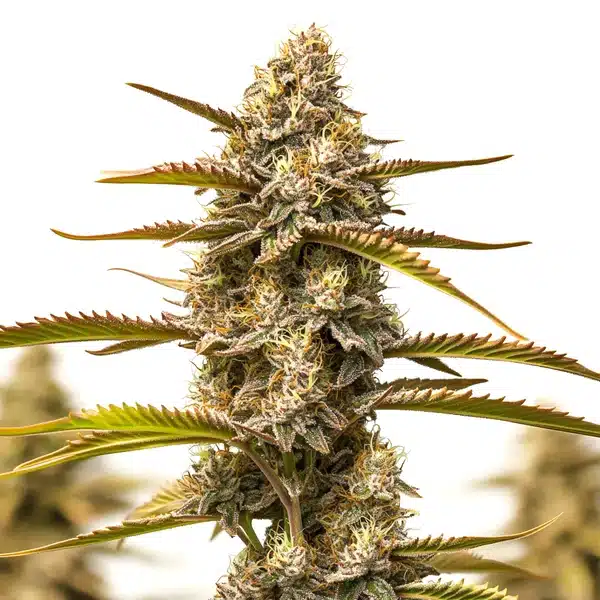
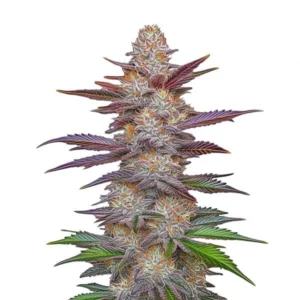
Z OG Grape Bubble Autoflower

|
THC | 20% - 24% (High) |

|
Type | Autoflowering |

|
Yield | Medium |

|
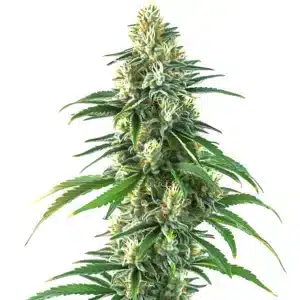
Phenotype | 40% Indica / 60% Sativa |

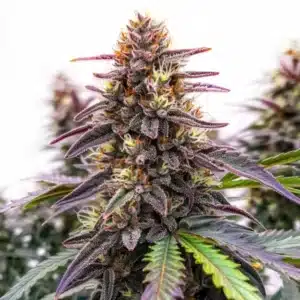
Blue Haze
|
|
THC | 20% - 23% (Medium) |
|
|
Type | Feminized |
|
|
Yield | High |
|
|
Phenotype | 30% Indica / 70% Sativa |
Water Activity Basics for Cannabis Operators
Importance of Water Activity for Cannabis Quality
Water activity is a critical factor in cannabis quality, influencing both the preservation and safety of the product. Unlike moisture content, which measures the total water in a product, water activity measures the availability of water for microbial growth. Maintaining water activity levels between 0.55 and 0.65 helps prevent mold and microbial contamination, ensuring a longer shelf life.
Experienced growers emphasize the importance of controlling water activity to maintain the integrity of cannabinoids and terpenes. For example, terpenes such as limonene and pinene can degrade if water activity is not properly managed, affecting both aroma and therapeutic effects. Using precise tools like water activity meters ensures that these levels remain within the optimal range.
Measuring Water Activity: Tools and Techniques
Various water activity measurement instruments are available for cannabis operators, each designed to provide accurate readings. These instruments typically use sensors to measure the vapor pressure of water in the cannabis, providing a reliable indication of water activity. Regular calibration of these devices is crucial to maintain accuracy.
To measure water activity in cannabis, operators use specific instruments designed for precision. These tools help ensure that the cannabis remains within the ideal water activity range, preserving its quality and safety. It’s important to conduct measurements in a controlled environment to avoid fluctuations caused by external factors.
Promos & Deals


Practical Applications of Water Activity in Cannabis Operations
How to Measure Water Activity in Cannabis
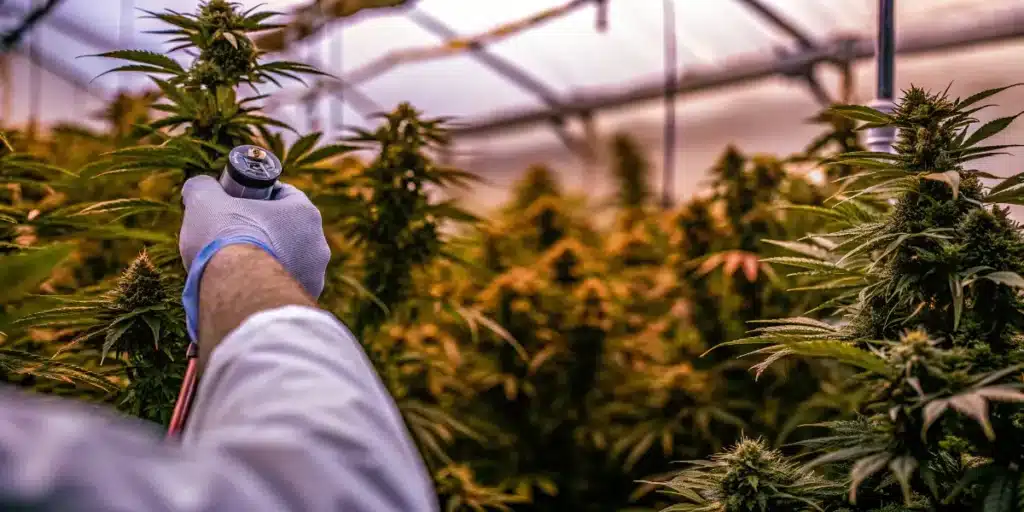
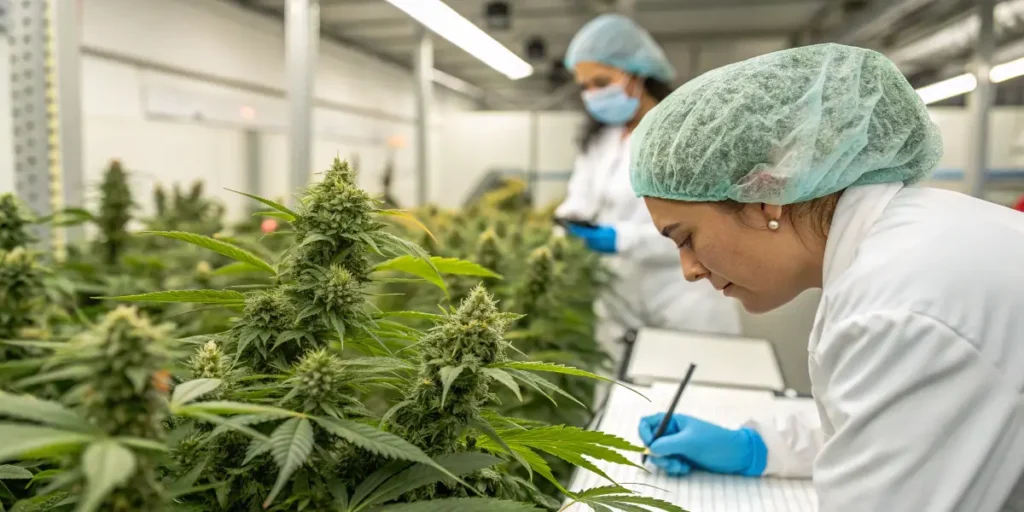
Measuring water activity in cannabis involves using a water activity meter, a crucial tool for ensuring cannabis quality. This device measures the equilibrium relative humidity of the cannabis, providing a direct reading of water activity. Regular monitoring helps operators maintain consistency in product quality.
Using a water activity meter in cannabis operations helps maintain product consistency. By ensuring that water activity levels remain within the optimal range, operators can prevent microbial growth and preserve the potency and aroma of their products. This consistency is key to maintaining consumer trust and product reputation.
Advanced Techniques: Crop Steering and Water Activity
Crop steering in coco involves precise control of water activity to optimize growth. By adjusting water activity levels, growers can influence plant growth patterns, maximizing yield and potency. This technique requires a deep understanding of plant physiology and environmental control.
AROYA cannabis systems provide advanced solutions for managing water activity. These systems integrate environmental sensors and data analytics to help growers optimize their growing conditions. By using AROYA systems, operators can achieve precise control over water activity, enhancing both yield and quality.
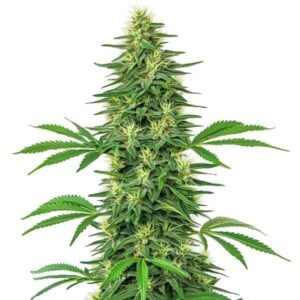
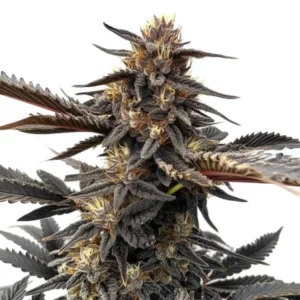
| Feature / Merkmal | GG4 | Zkittlez Grape Bubble Autoflower | Blue Haze |
|---|---|---|---|
| THC Content | 27% | 20-24% | 20-23% |
| Dominant Terpene | Humulene | Caryophyllene | Caryophyllene |
| Flavor Profile | Fruity, Pine, Spicy | Candy, Citrus, Fruity, Sweet | Berry, Cheese, Earthy, Herbal, Pungent |
| Effect | Happy, Relaxed, Talkative | Energetic, Euphoric, Happy | Energetic, Euphoric, Focused |
Professional Tips for Managing Water Activity
- Maintain 58-62% RH during storage to prevent mold and preserve terpenes. Use a digital hygrometer for accuracy.
- Ensure water activity levels are between 0.55 and 0.65 to minimize microbial growth.
- Regularly calibrate water activity meters to ensure precise readings.
- Use AROYA systems for advanced control of environmental conditions.
- Monitor environmental factors closely when using crop steering techniques in coco.
- Store cannabis in airtight containers to maintain consistent water activity levels.
FAQs about water activity basics for cannabis operators
What is the ideal water activity for cannabis?
The optimal water activity level for cannabis preservation is between 0.55 and 0.65. This range helps prevent mold and microbial growth while maintaining the potency and aroma of the cannabis. Keeping water activity within these limits ensures a longer shelf life and consistent product quality.
What is the 60-60 rule for drying cannabis?
The 60-60 rule for drying cannabis involves maintaining 60% relative humidity and 60°F (15.5°C) temperature. This balance helps preserve terpenes and cannabinoids while preventing mold. It’s a guideline many growers follow to achieve optimal drying conditions, ensuring high-quality cannabis.
What ppm should water be for cannabis?
For cannabis cultivation, water should have a ppm (parts per million) of 200-400 during the vegetative stage and 800-1000 during flowering. These levels ensure adequate nutrient availability without causing nutrient burn, promoting healthy plant growth and maximizing yield.
What pH is too high for cannabis?
A pH above 7.0 is generally too high for cannabis, as it can lead to nutrient lockout. The ideal pH range for cannabis in soil is 6.0-7.0, while in hydroponics, it’s 5.5-6.5. Maintaining proper pH ensures optimal nutrient uptake and plant health.
How does crop steering affect cannabis growth?
Crop steering involves manipulating environmental factors like water activity to influence cannabis growth. By controlling these variables, growers can steer plants towards desired outcomes, such as increased yield or specific cannabinoid profiles. This technique requires precise monitoring and adjustment of growing conditions.