Water Activity and Chlorophyll Breakdown in Cannabis Cure

Key Curing Metrics: Managing water activity and chlorophyll breakdown in cannabis cure is crucial in cannabis curing. Maintaining water activity between 0.55 and 0.65 prevents mold and preserves cannabinoids. Chlorophyll breakdown enhances flavor by reducing harshness. These processes ensure optimal taste and potency, making them essential for a successful cure.
Terpenes play a crucial role in the cannabis curing process, influencing aroma and flavor. During curing, terpene profiles can shift, enhancing the sensory experience. The flowering time of cannabis, typically 8-10 weeks, impacts the final terpene expression. Proper curing maximizes these elements, offering a superior product.
Recommended Strains
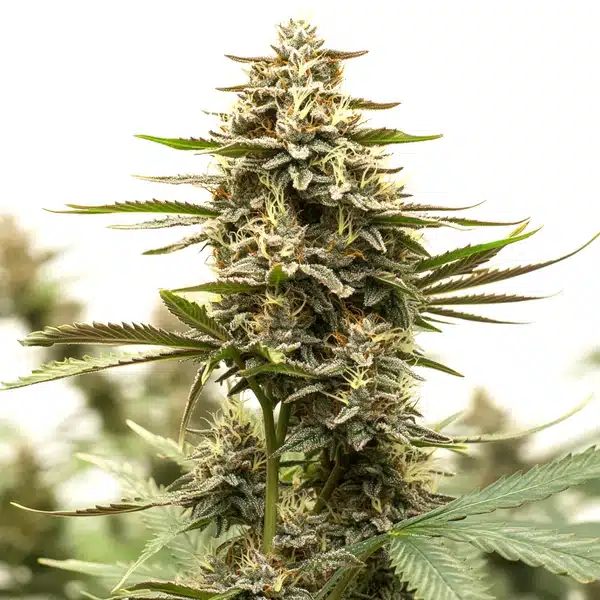
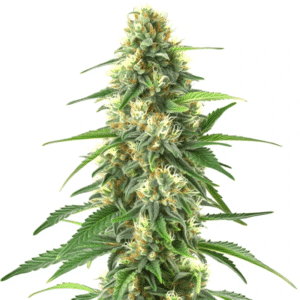
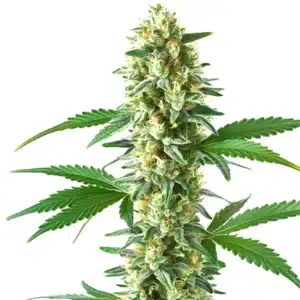
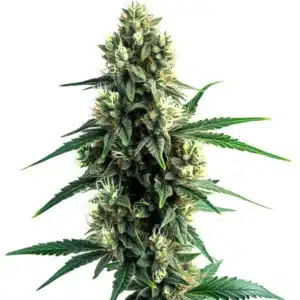
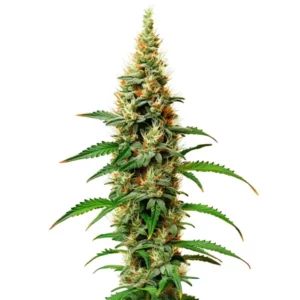
Sweet Tooth x GG

|
THC | 17% - 22% (Medium) |

|
Type | Feminized |

|
Yield | High |

|
Phenotype | 70% Indica / 30% Sativa |
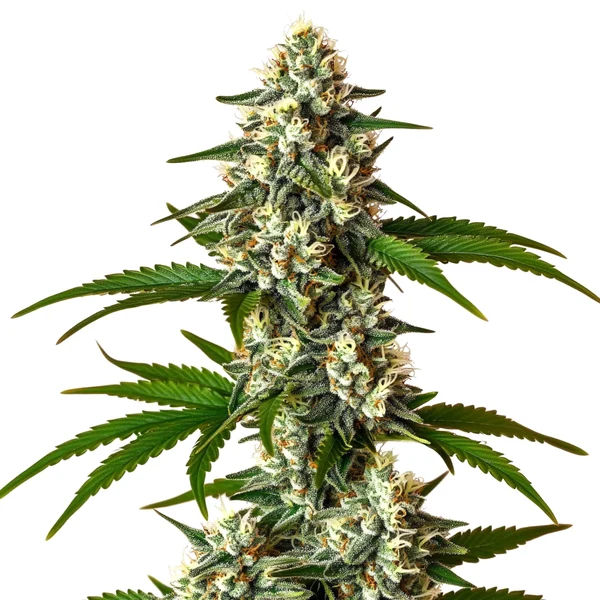
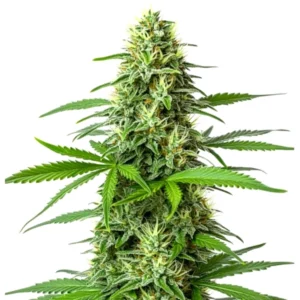
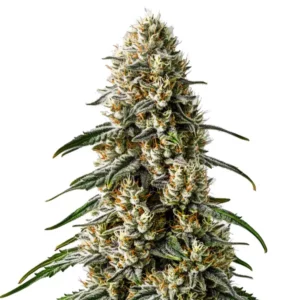
Crystal Candy Auto
|
|
THC | 14% - 20% (Medium) |
|
|
Type | Autoflowering |
|
|
Yield | High |
|
|
Phenotype | 10% Indica / 90% Sativa |
Cannabis Curing Essentials
Importance of Proper Curing
Proper curing of cannabis is essential for enhancing the plant’s natural flavors and potency. It involves a controlled drying process, which reduces the plant’s moisture content to an optimal level. Knowing water activity and chlorophyll breakdown in cannabis cure is important during this stage, as it helps prevent mold growth and ensures the preservation of cannabinoids and terpenes, which are crucial for the plant’s aroma and effects.
Experienced growers often maintain a relative humidity (RH) of 58-62% during the curing phase. This range helps in retaining terpenes and cannabinoids while preventing microbial growth. The process typically lasts 2-4 weeks, allowing the plant to develop a smoother smoke and richer flavors.
Drying and Curing for Beginners
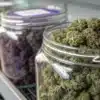
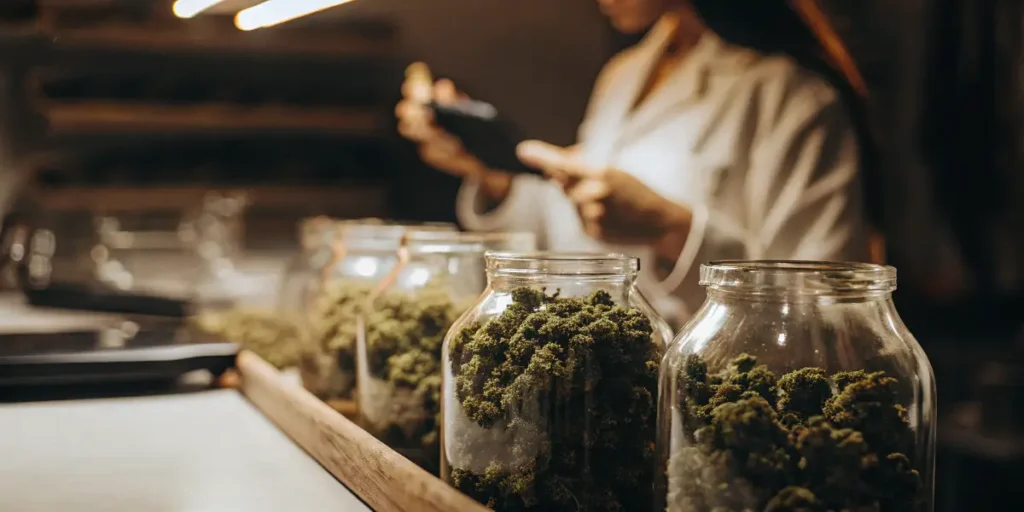
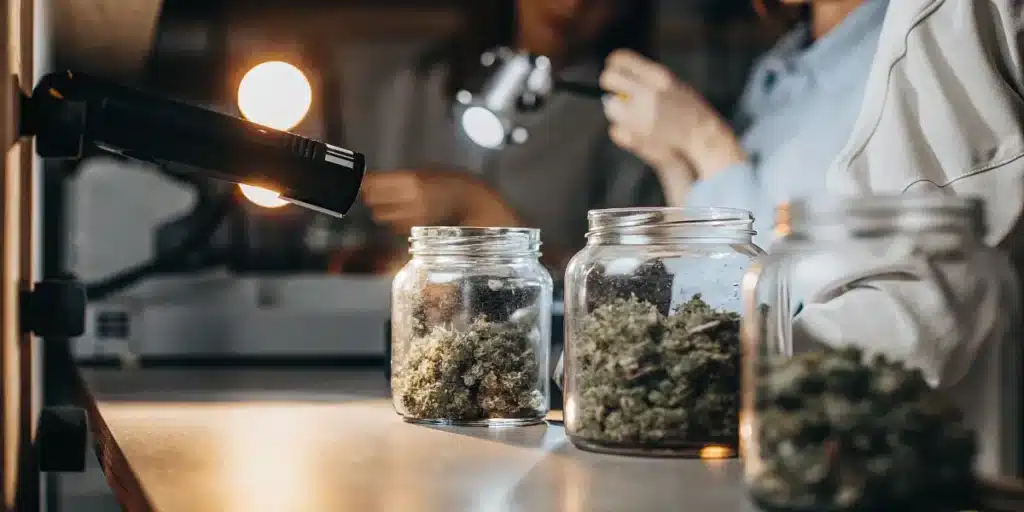
Beginners often start by drying cannabis in a dark room with temperatures around 68°F (20°C) and humidity levels of 45-55%. This initial drying phase usually takes 7-10 days. Once dried, the cannabis is transferred to jars for curing, where it is periodically burped to release excess moisture and gases.
It’s crucial to monitor the moisture content using a hygrometer. Keeping the RH within 58-62% ensures that the cannabis does not dry out too quickly, which can lead to a harsh smoke. Avoid opening jars too frequently, as this can disrupt the curing process.
Promos & Deals
Water Activity in Cannabis Cure
Measuring Water Activity
Water activity (aw) is a measure of the free moisture in cannabis, crucial for preventing microbial growth. It is measured on a scale from 0 to 1, with cannabis ideally kept between 0.55 and 0.65 during curing. This range ensures the preservation of cannabinoids and terpenes while minimizing the risk of mold.
Growers use specialized equipment to measure water activity, ensuring precision. Maintaining the correct aw is vital for the quality and safety of the final product. Deviations from this range can lead to mold development or overly dry cannabis, affecting flavor and potency.
Impact of Water Activity on Curing
Water activity directly influences the curing process by affecting the rate of chlorophyll breakdown and terpene preservation. Knowing the relationship between water activity and chlorophyll breakdown in cannabis cure is essential, as when aw is too high, it can promote mold growth within 48 hours, while too low can result in brittle cannabis that lacks flavor. Maintaining the ideal range is crucial for achieving a smooth, flavorful smoke.
In professional cultivation circles, maintaining the right water activity is emphasized as essential for preserving the plant’s chemical composition. This balance ensures that the cannabis retains its therapeutic properties and delivers a consistent experience to consumers.
| Feature / Merkmal | Crystal Candy Auto | Sweet Tooth X Gorilla Glue | Colombian Gold Auto |
|---|---|---|---|
| THC Content | 14-20% | 17-22% | 21-25% |
| Dominant Terpene | Myrcene | Humulene | Eucalyptol |
| Flavor Profile | Fruity, Melon, Strawberry, Sweet | Fruity, Incense, Sweet | Berry, Earthy, Sweet |
| Yield | High | High | High |
| Flowering Time | 8 – 10 weeks | 8 – 9 weeks | 8 – 10 weeks |
Chlorophyll Breakdown During Curing
Factors Affecting Chlorophyll Breakdown
Chlorophyll breakdown is a critical aspect of the curing process, as it reduces the harshness of the smoke. Factors such as light exposure, temperature, and humidity influence this process. Keeping cannabis in a dark environment at 60-70°F (15-21°C) accelerates chlorophyll degradation, enhancing the flavor profile.
Growers often report that the effects of smoking chlorophyll can include a bitter taste and a harsh throat hit. Proper curing mitigates these effects by allowing chlorophyll to break down over time, typically taking 2-4 weeks depending on environmental conditions.
How Long Does Chlorophyll Take to Detox?
The detoxification of chlorophyll during curing generally takes about 2-4 weeks. This period allows for the breakdown of chlorophyll into smaller, less harsh compounds. The process is influenced by the curing environment, with optimal conditions speeding up chlorophyll degradation.
Maintaining a stable environment with controlled temperature and humidity is essential for efficient chlorophyll breakdown. Deviations can prolong the detoxification process, leading to a less pleasant smoking experience.
Integrating Water Activity and Chlorophyll Breakdown
Best Practices for Optimal Curing
Integrating water activity management with chlorophyll breakdown is key to achieving a high-quality cure. By maintaining water activity between 0.55 and 0.65, you ensure the preservation of cannabinoids and terpenes while promoting chlorophyll breakdown. This balance results in a smoother, more flavorful product.
Postharvest operations of cannabis and their effect on cannabinoid content highlight the importance of these practices in preserving the plant’s chemical integrity. Proper curing not only enhances flavor but also maximizes the therapeutic potential of cannabis.
Advanced Curing Techniques
Advanced techniques such as using a cannabis curing machine can streamline the curing process. These machines control environmental factors, ensuring optimal conditions for curing. The Cryo Cure machine, for example, offers precise control over temperature and humidity, with prices reflecting their advanced capabilities.
While these machines can be an investment, they provide consistent results and reduce the risk of mold and degradation. For those interested in traditional methods, curing cannabis in jars remains a viable option, offering control over small batches.
Professional Tips for Cannabis Curing
- Maintain 58-62% RH during curing to preserve terpenes and prevent mold. Below 55% RH can dry out cannabis, while above 65% RH encourages mold growth.
- Use a hygrometer to monitor water activity, keeping it between 0.55 and 0.65. This range ensures cannabinoid and terpene preservation.
- Keep cannabis in a dark environment at 60-70°F (15-21°C) to accelerate chlorophyll breakdown and enhance flavor.
- Burp jars every 24-48 hours to release excess moisture and gases, preventing mold and ensuring even curing.
- Consider investing in a cannabis curing machine for consistent results, especially for large batches.
- Avoid frequent jar opening, which can disrupt the curing process and lead to uneven results.
FAQs about water activity and chlorophyll breakdown in cannabis cure
Does chlorophyll break down during curing?
Yes, chlorophyll breaks down during the curing process, typically taking 2-4 weeks. This breakdown reduces harshness and bitterness in the smoke, improving flavor. Optimal conditions include a dark environment at 60-70°F (15-21°C) with 58-62% RH, which facilitates efficient chlorophyll degradation.
What fertilizer makes buds bigger?
Fertilizers with a high phosphorus (P) content, such as a 1:3:2 NPK ratio during flowering, promote larger buds. Phosphorus supports bud development and enhances resin production. Over-fertilization can cause nutrient burn, so it’s crucial to follow recommended dosages for the best results.
How long does chlorophyll take to break down?
Chlorophyll typically takes 2-4 weeks to break down during curing. This process is influenced by environmental factors like temperature and humidity. Maintaining a stable curing environment accelerates chlorophyll degradation, resulting in smoother, more flavorful cannabis.
What is the ideal water activity for cannabis?
The ideal water activity (aw) for cannabis during curing is between 0.55 and 0.65. This range prevents mold growth while preserving cannabinoids and terpenes. Maintaining this balance ensures a high-quality final product with optimal flavor and potency.
Can I use a cannabis curing machine at home?
Yes, cannabis curing machines can be used at home to control curing conditions precisely. These machines regulate temperature and humidity, ensuring consistent results. While they can be costly, they offer convenience and reliability, especially for larger batches.