Expert Guide: Tracking Cannabis Phenotype from Genotype Made Easy

Tracking cannabis phenotype from genotype can seem daunting, but it doesn’t have to be. For both first-time buyers and seasoned growers, knowing the relationship between a plant’s genetic code and its visible traits is crucial. Whether you’re interested in growing a classic strain like Blue Dream from Blimburn Seeds or experimenting with new hybrids, knowing how to track these traits makes all the difference.
Genotype refers to the genetic makeup of the plant. It’s the set of genes that a cannabis plant carries. Phenotype, on the other hand, is how these genes express themselves in the environment appearance, growth, smell, and even taste. By studying the genotype, we can predict and influence the phenotype, optimizing growth conditions for desired traits.
Recommended Strains

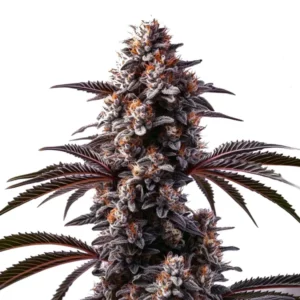
Blue Dream

|
THC | 17% - 24% (Medium) |

|
Type | Feminized |

|
Yield | High |

|
Phenotype | 50% Indica / 50% Sativa |

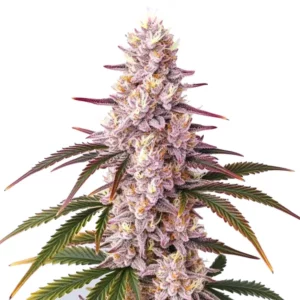
Critical Daddy Purple
|
|
THC | 19% (Medium) |
|
|
Type | Feminized |
|
|
Yield | High |
|
|
Phenotype | 50% Indica / 50% Sativa |
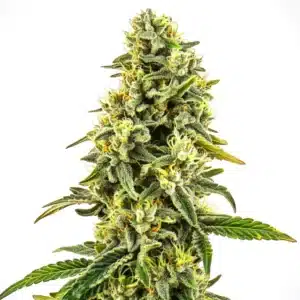
Consider the GG4 from Blimburn Seeds. This strain is known for its potency and sticky buds. By analyzing its genotype, you can determine the best growing conditions to enhance these characteristics. The environment plays a crucial role, but the genetic blueprint sets the potential.
Cannabis Phenotype Genotype Tracking Methods
There are several methods to track cannabis phenotype from genotype. One common approach is genetic mapping. This involves examining the plant’s DNA to identify specific markers associated with desired traits. It’s like finding a treasure map that guides you to the best characteristics of a strain.
Another method involves phenotype observation under controlled conditions. By adjusting variables like light, temperature, and nutrients, growers can observe how changes affect phenotype expression in cannabis genetics. This hands-on approach is both practical and enlightening, especially for growers keen on experimenting.
Furthermore, advanced technologies such as CRISPR can be employed to directly edit genes and observe resulting phenotype changes. This cutting-edge technique allows for precise cannabis phenotype genotype tracking methods, giving breeders the ability to tailor strains with extreme specificity.
Additionally, digital tools and software are emerging in the field, enabling growers to input data and predict phenotypic outcomes based on environmental inputs. These innovations streamline the tracking process, making it more accessible to those without a formal background in genetics.
Genetic Mapping of Cannabis Strains
Genetic mapping is a tool that helps in tracking cannabis strain genetic variations. By identifying genetic markers, growers can predict how a plant will turn out. This is particularly useful for breeders looking to create new strains with specific traits. A good example is the Critical Daddy Purple from Blimburn Seeds, which combines desirable traits from its parent strains.
To start genetic mapping, samples of the plant’s DNA are collected and analyzed. Technologies like PCR (Polymerase Chain Reaction) are used to amplify and study specific DNA segments. This process reveals genetic information crucial for determining phenotype outcomes.
Besides to PCR, methods such as whole genome sequencing provide a comprehensive view of a plant’s genetic information, allowing for in-depth analysis of potential phenotypic expressions. This level of detail is invaluable in predicting how a strain will perform under various conditions.
Genetic mapping of cannabis strains also aids in identifying resistance to diseases and pests. By pinpointing genetic markers linked to resilience, growers can select strains that are more likely to thrive, reducing the need for chemical interventions and promoting sustainable cultivation practices. This process plays a key role in tracking cannabis phenotype from genotype, allowing breeders and cultivators to better predict how genetic traits will express in real-world growing conditions.
Promos & Deals

Phenotype Expression in Cannabis Genetics
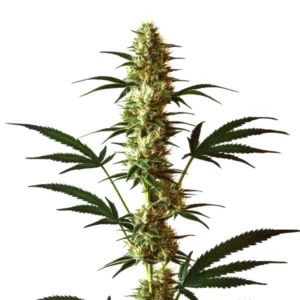
Phenotype expression in cannabis genetics is the visible manifestation of a plant’s genetic code. It includes characteristics such as height, leaf shape, and bud color. These traits are influenced by both the plant’s genetics and its growing environment. For example, two plants with identical genotypes might look different if grown under varying conditions.
Environment plays a pivotal role in phenotype expression. Factors like light cycles, soil type, and humidity can significantly alter how a plant expresses its genetic blueprint. Consider an indoor grow setup for a strain like GG4. By adjusting the light intensity and spectrum, a grower can influence the plant’s resin production and bud density.
Knowing phenotype expression in cannabis genetics helps growers make informed decisions about which environmental variables to manipulate. This knowledge is essential for optimizing traits such as terpene profiles and cannabinoid content, which are crucial for both recreational and medicinal applications.
Moreover, phenotype expression can affect the plant’s growth cycle and yield. By fine-tuning environmental conditions, growers can potentially shorten flowering times and increase harvest sizes, maximizing both efficiency and profitability in their cultivation endeavors.

Cannabis Genotype to Phenotype Analysis
Cannabis genotype to phenotype analysis involves studying the relationship between a plant’s genetic makeup and its physical traits. This analysis helps growers predict how environmental changes will affect their plants. By knowing this relationship, you can better manage your cultivation practices to achieve desirable outcomes.
One practical step is to keep detailed records of your grows. Note the genotype of each plant, alongside environmental factors like nutrient levels and light schedules. Over time, patterns will emerge, helping you refine your methods. This is especially useful for experimental strains where outcomes are less predictable.
Tracking cannabis phenotype from genotype allows growers to identify which genotypes yield the best phenotypes under specific conditions. This strategic approach not only maximizes plant potential but also enhances the overall quality and consistency of the crop.
Furthermore, cannabis genotype to phenotype analysis is invaluable for breeders aiming to develop new and unique strains. By knowing how different genetic combinations express under various conditions, breeders can create novel strains that cater to specific consumer demands.
FAQs about tracking cannabis phenotype from genotype
What is the difference between cannabis genotype and phenotype?
Genotype refers to the genetic constitution of the cannabis plant. It’s the complete set of genes that determine potential traits. In contrast, phenotype is the expression of these genes, influenced by environmental factors. While genotype sets the possibilities, phenotype is what you actually observe in the plant.
For example, two seeds from the same strain, like Blue Dream from Blimburn Seeds, will have the same genotype. However, if one plant is grown indoors under LED lights and the other outdoors in natural sunlight, their phenotypes may differ in terms of height, color, and bud size.
Knowing the distinction between genotype and phenotype is crucial for effective cannabis phenotype genotype tracking methods. It allows growers to focus on the right variables that will most significantly impact the plant’s final characteristics.
Ultimately, mastering the interaction between genotype and phenotype enables growers to predictably cultivate plants that meet specific criteria, whether that be for aesthetic appeal, potency, or other desired attributes.
How does genetic mapping benefit cannabis cultivation?
Genetic mapping identifies specific markers in the plant’s DNA, providing insights into potential traits and variations. This information is invaluable for breeders and growers aiming to enhance specific characteristics, such as potency or flavor. It allows for more targeted and efficient breeding programs.
With genetic mapping, growers can make informed decisions about which strains to cultivate and how to optimize growing conditions. This scientific approach reduces guesswork and aligns cultivation practices with desired outcomes, ultimately leading to higher quality yields.
Genetic mapping of cannabis strains also plays a critical role in the conservation of genetic diversity. By cataloging and knowing genetic variations, growers can preserve rare strains and prevent genetic erosion, ensuring a rich variety of options for future cultivation.
Additionally, genetic mapping can be used to track and eliminate undesirable traits, such as susceptibility to disease, thus improving the overall robustness and resilience of cannabis crops.
Can environmental factors change cannabis phenotype?
Yes, environmental factors have a significant impact on cannabis phenotype. Variables such as light, temperature, humidity, and nutrients can alter how a plant expresses its genetic code. By manipulating these factors, growers can influence traits like bud size, resin production, and even flowering time.
For instance, a strain like Critical Daddy Purple might develop more vibrant colors if exposed to cooler nighttime temperatures. This illustrates the importance of knowing both the plant’s genetics and how external conditions affect growth.
Managing environmental factors effectively requires a detailed knowing of phenotype expression in cannabis genetics. This knowledge enables growers to fine-tune their cultivation practices to maximize desirable traits and improve overall plant health.
Moreover, environmental control is essential for achieving consistent results across different growing cycles, allowing growers to produce uniform and reliable products for the market.
Why is it important to track cannabis phenotype from genotype?
Tracking cannabis phenotype from genotype helps growers predict and control the outcome of their plants. It bridges the gap between genetic potential and actual growth results. This knowledge empowers growers to select the best strains for their needs and optimize cultivation practices for desired traits.
By knowing which genotypes lead to specific phenotypes, you can tailor your growing techniques to enhance qualities like flavor, aroma, and potency. This strategic approach leads to more successful and rewarding cultivation experiences.
Furthermore, tracking cannabis strain genetic variations allows for the development of new strains that meet emerging market demands, ensuring that growers remain competitive and innovative in a rapidly evolving industry.
Ultimately, the ability to accurately predict phenotypic outcomes based on genotypic information is a powerful tool for both hobbyists and professional growers, leading to more informed decision-making and higher-quality crops.
How can I start experimenting with cannabis genotype to phenotype analysis?
Begin by selecting a few strains from a reputable source like Blimburn Seeds. Document each plant’s genotype and monitor environmental conditions throughout the grow cycle. Keep track of changes in phenotype, such as growth patterns and bud development.
Experiment with different growing techniques, like adjusting light cycles or nutrient feeds, and observe the effects on phenotype. Over time, you’ll gather valuable data that informs your cultivation strategies, helping you become a more skilled and knowledgeable grower.
Utilizing software tools for data collection and analysis can enhance your cannabis genotype to phenotype analysis, providing a structured approach to knowing the complex interactions between genetics and environment.
Additionally, engaging with online communities and forums dedicated to cannabis cultivation can offer insights and tips from experienced growers, enriching your knowledge and expanding your cultivation repertoire.